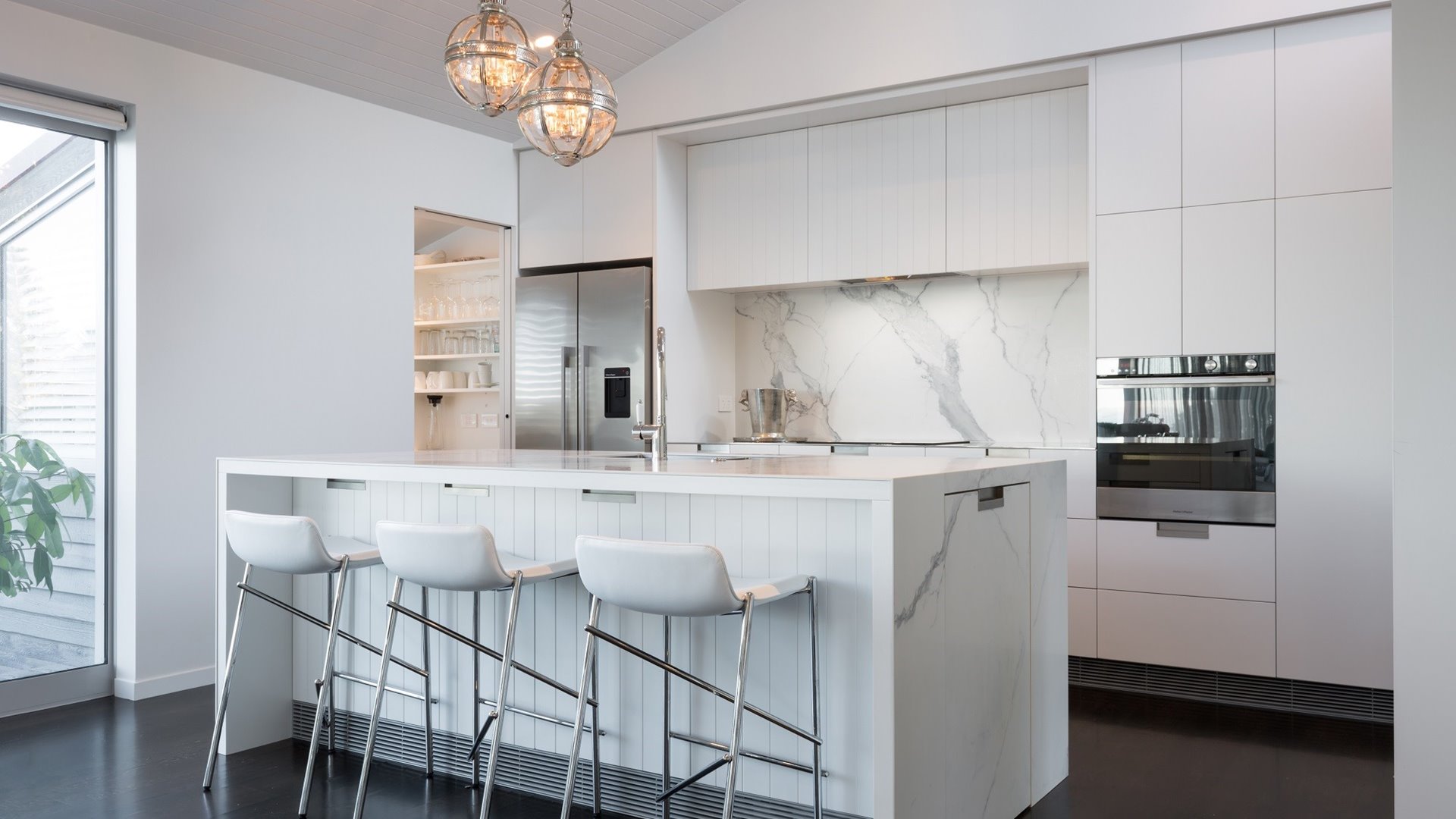

What’s the Difference Between Archant Porcelain vs Sintered Stone? A Detailed Comparison
What’s the Difference Between Archant Porcelain vs Sintered Stone? (A Detailed Comparison)
You’ve done the research and can visualise the kitchen of your dreams. This is an essential first step towards making it a reality. Now it’s time to consider what kind of stone is best for your kitchen benchtop and island. It’s not just colour and durability that are important here but cost as well.
At Archant, we know how vital these decisions are. Each year, we work with hundreds of designers and homeowners around New Zealand to create truly inspiring kitchens. Many of these clients are perplexed by all the various materials used for benchtops these days. Of these many products, porcelain and sintered stone come up for discussion quite often.
In this article, we’ll take a good look at these two popular options. In comparing what’s the same, what’s different, and other relevant pros and cons, you’ll be able to finalise your design plans with confidence.
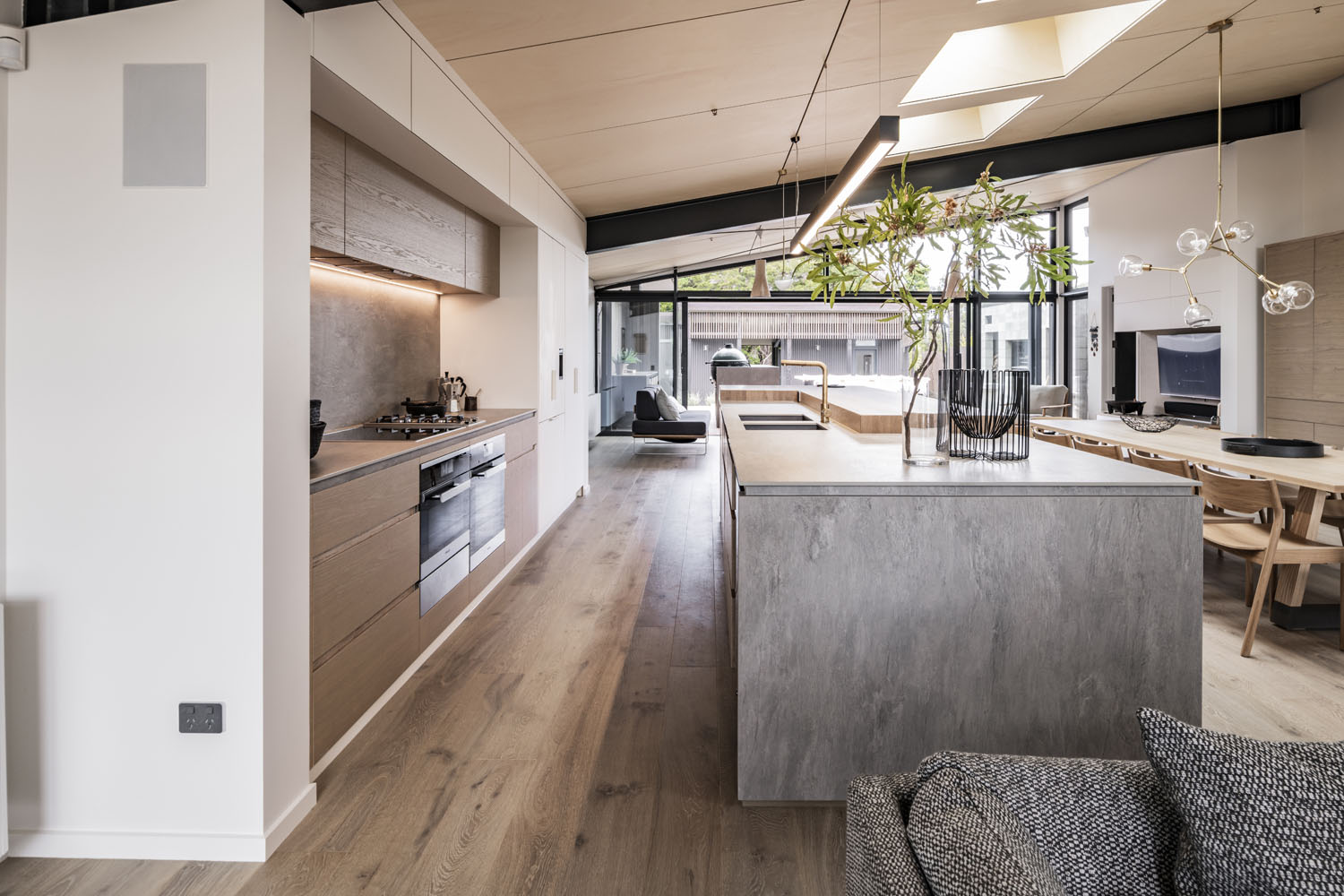
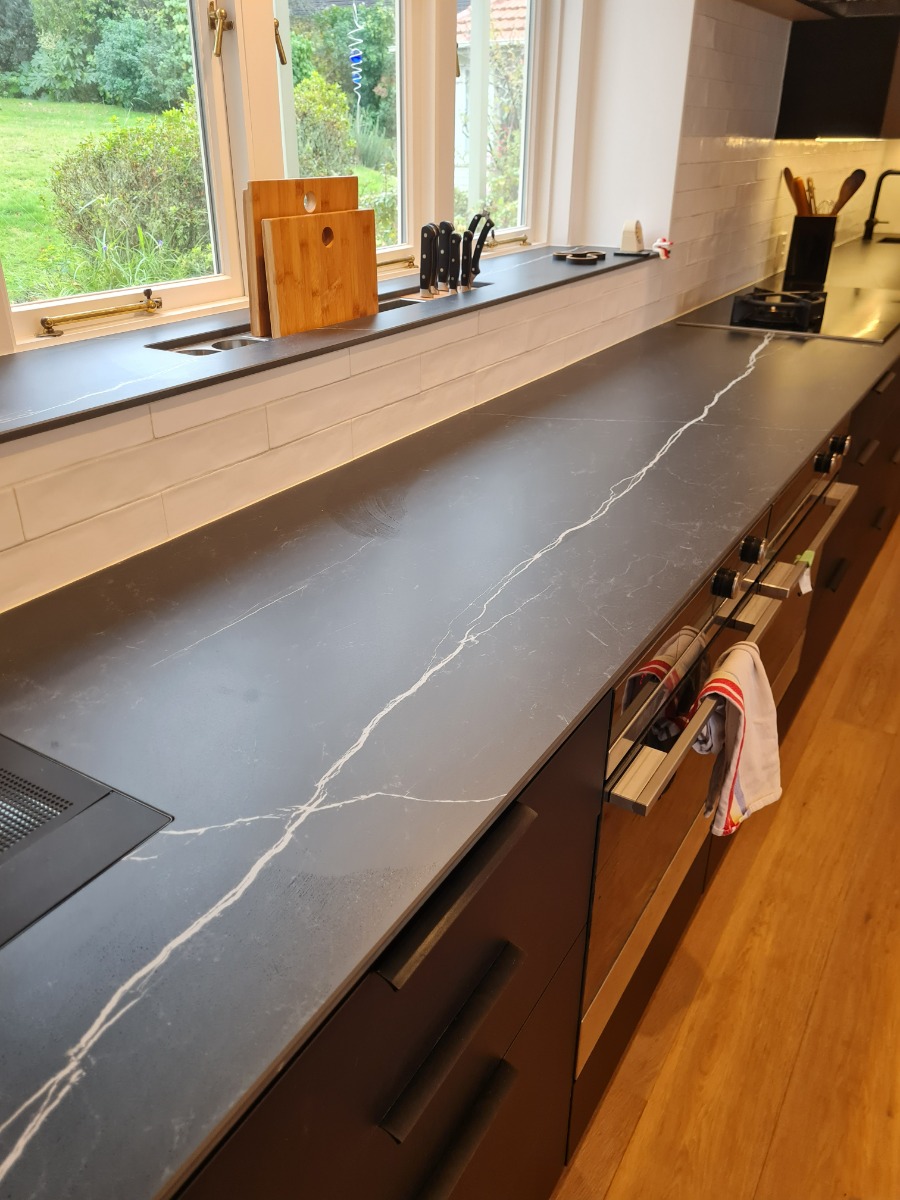
Cost of Archant Porcelain vs Sintered Stone
The cost of both products will be quite similar. Of course, there can be variables based on where you live and who you’re buying from, but generally, they are comparably priced. Still, when you’re looking into cost, you’ll want to think about the big picture too. This includes the length of warranties, resale value, and the overall cost of ownership.
Which Benchtop Material Has the Best Warranty?
When you’re designing your kitchen, you want to know that the products used within are built to stand the test of time. This is especially poignant for families in New Zealand which demand a durable solution to withstand heavy daily use.
Archant offers an impressive lifetime warranty on porcelain to best guard your investment. This offers great peace of mind and shows that we stand behind this incredible product. This is by far, the most generous of any stone warranty on the market in New Zealand.
With sintered stone, the duration of the warranties varies a great deal. Dekton and Neolith both offer 10-year warranties. Lapitec is quite a bit longer at 25 years for residential use (10 for commercial). Again, depending on what market you’re in, you may find additional suppliers with different lengths of warranty.
Regardless of the company you buy from, none of the guarantees will cover damage from accidental misuse. For example, if you crack the stone by standing on the bench to change a lightbulb, the cost of repair won’t be covered by any of these suppliers.
Cost of Ownership is Rather Similar
One of the great aspects of these decorative surfaces is just how easy they are to clean and maintain. This is a big win for NZ homeowners as there’s no need to apply a special sealant each year or use an expensive stone cleaning solution. Whether you choose Archant Porcelain or Sintered Stone, you only need warm soapy water and a soft sponge to wipe down the worktop
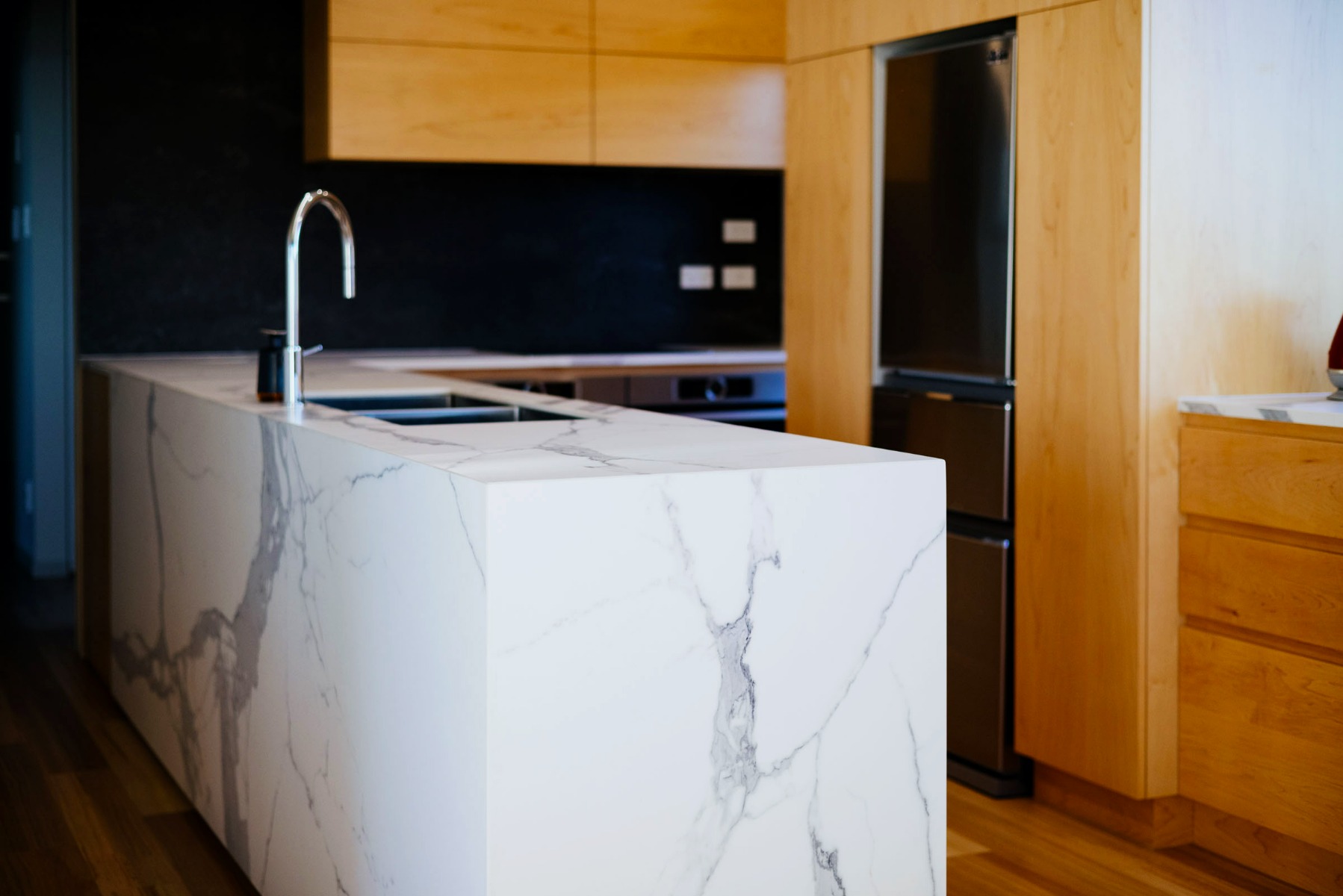
Where Is Archant Porcelain Made?
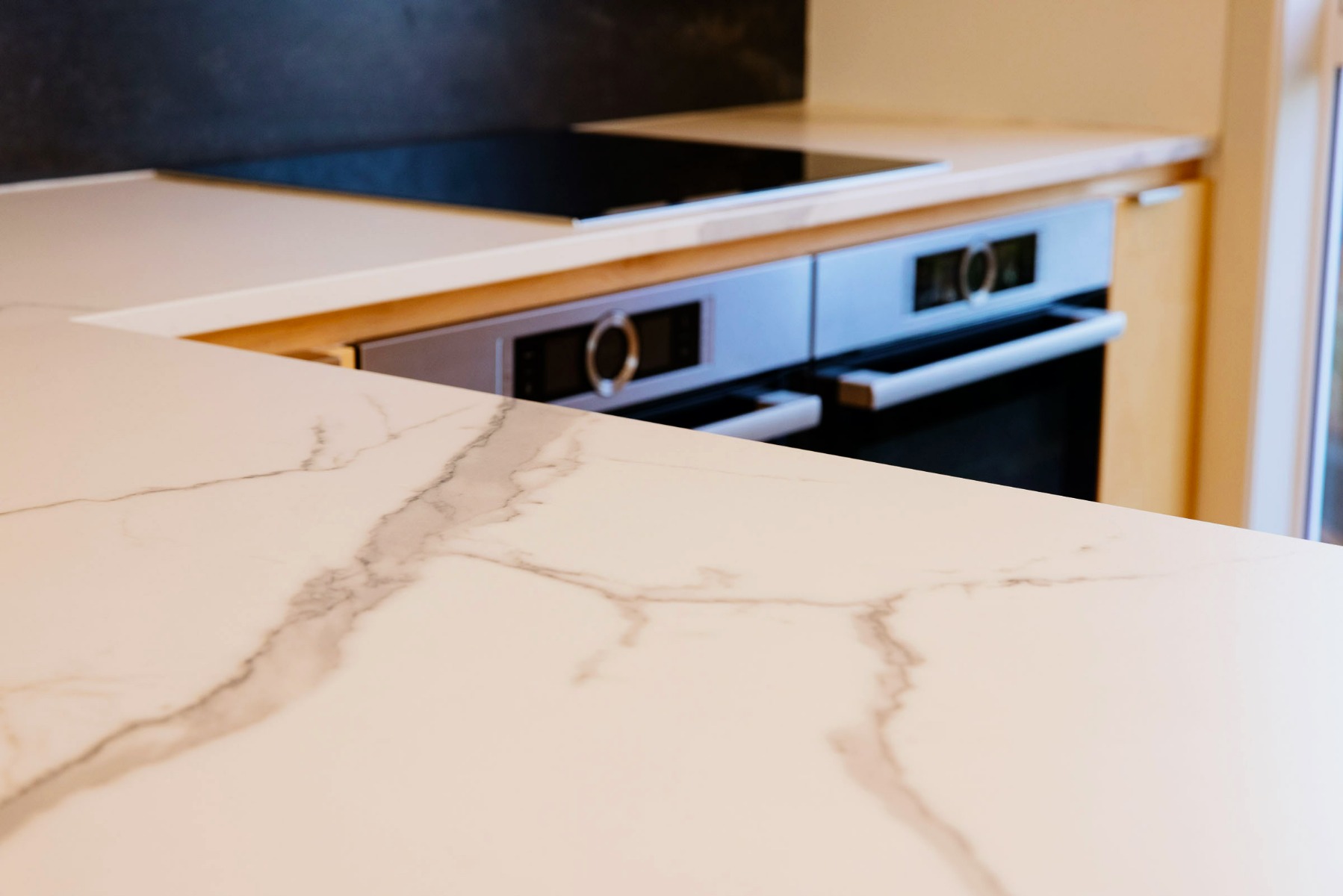
Our Florim tiles are imported exclusively from Italy and are readily stocked in our New Zealand warehouse facility. This means you don’t need to wait for an overseas shipment when you’re ready to proceed with your project. Florim has manufactured large-format porcelain stoneware slabs for floors, walls, worktops, furniture, and sustainable solutions for over 60 years. When you purchase your porcelain from Archant, you’re benefiting from this long history of excellence.
Where is Sintered Stone Made?
Considering the large number of brands which offer sintered stone products, these materials are manufactured in a variety of locations. One of the biggest producers is Cosentino in the country of Spain. They have provided their surface designs globally to over 100 countries and have facilities all over the world to help with distributing orders.
As you can see, both products are well crafted with many years of expertise. This is great news for consumers who deserve the best possible quality and service.
A Closer Look at the Pros of Archant Porcelain vs Sintered Stone
Now that we’ve detailed some of the main considerations to help you decide between Archant Porcelain and Sintered Stone, let’s recap the top advantages of both. Before we do, here’s a relevant thought from renowned Interior Designer Jean-Louis Deniot:
“Luxury is when it seems flawless, when you reach the right balance between all elements. Understated theatricality – that is what my luxury is all about.”
The Pros of Archant Porcelain
- Beautifully crafted in Italy with the highest quality materials.
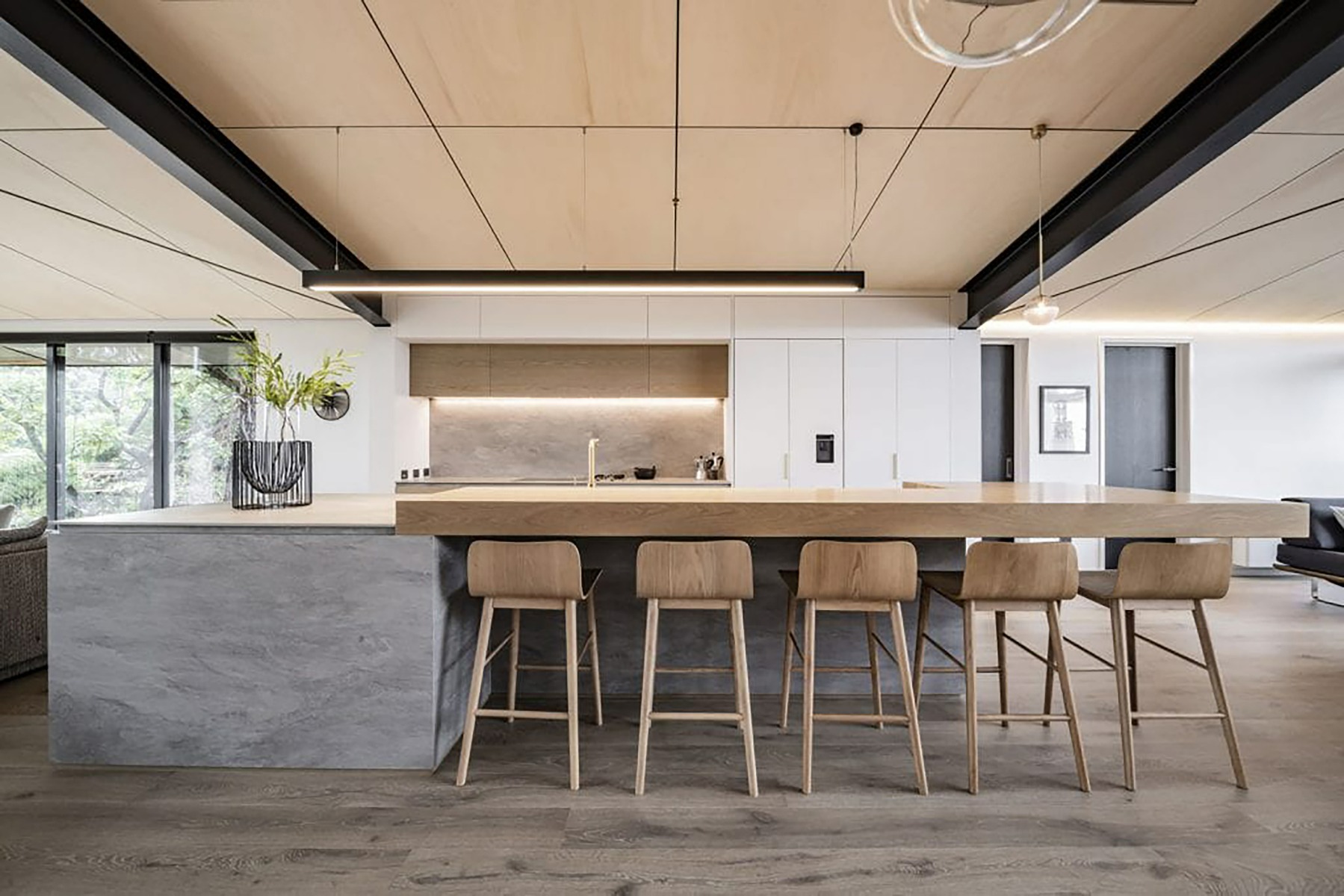
- Porcelain can be used for benchtops, splashback, walls, flooring and more.
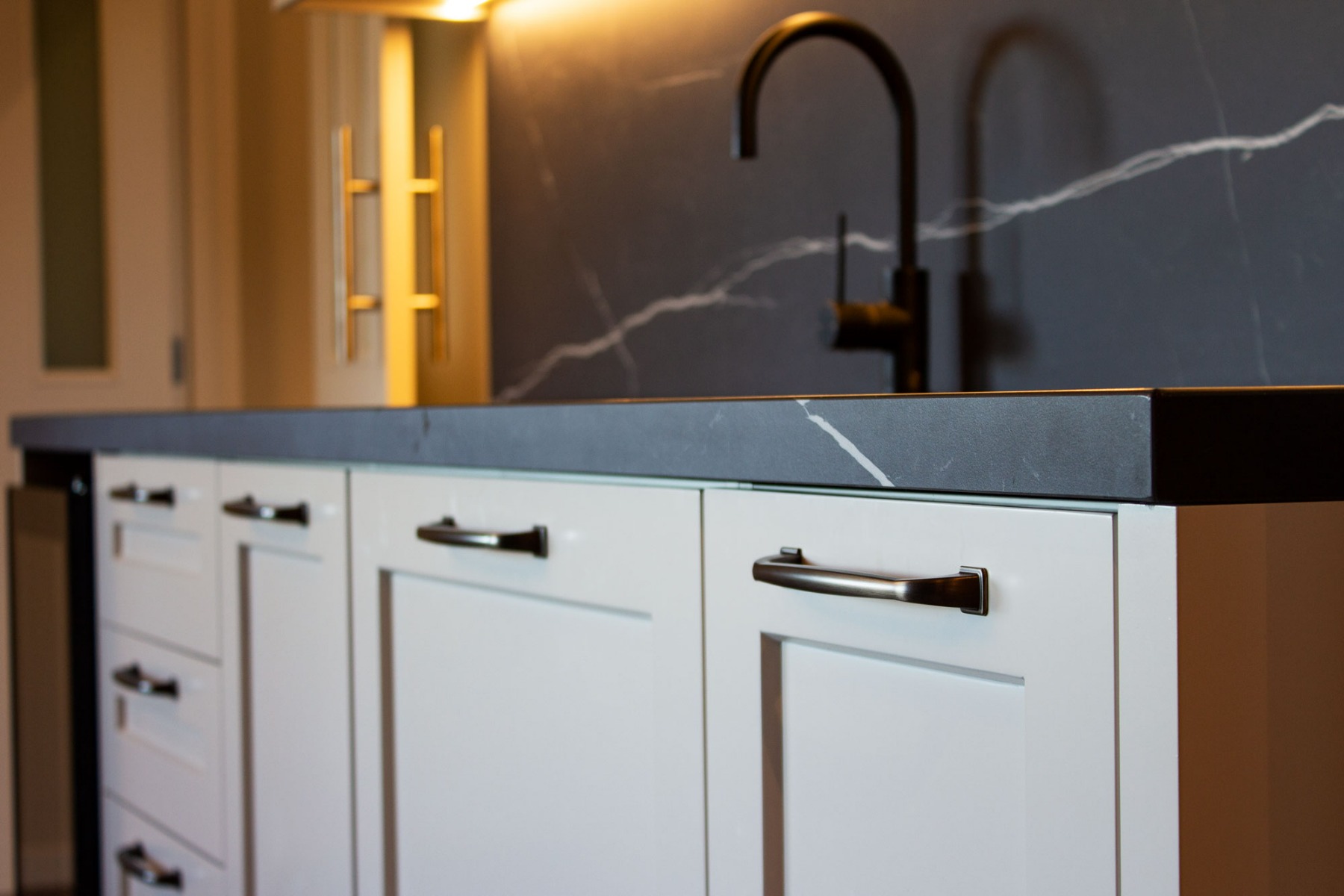
- Extremely low maintenance featuring heat, scratch, and stain resistance.
- Includes a lifetime warranty and is strong and durable.
- Large sheets at 3200 x 1600mm for efficient product use and cost savings.
- Enormous range of styles to choose from.
- Resistant to UV rays, making it a great choice outdoors.
The Pros of Sintered Stone
- Allows for versatile applications beyond benchtops and islands.
- Built to last from high quality materials and expert manufacturing.
- Big variety of styles to select from.
- Easy to keep clean and maintain.
- Resistant to heat damage, scratches, and stains.
- Can be used outdoors without fading or yellowing.
Still Undecided? Come See Our Porcelain Sheets In Person
As you can see from the similar list of benefits, both products are truly fantastic solutions that offer more pros than cons. This makes it an exciting time to renovate your kitchen or even complete a new build. Considering how the products are so closely matched, it can be helpful to see them up close.
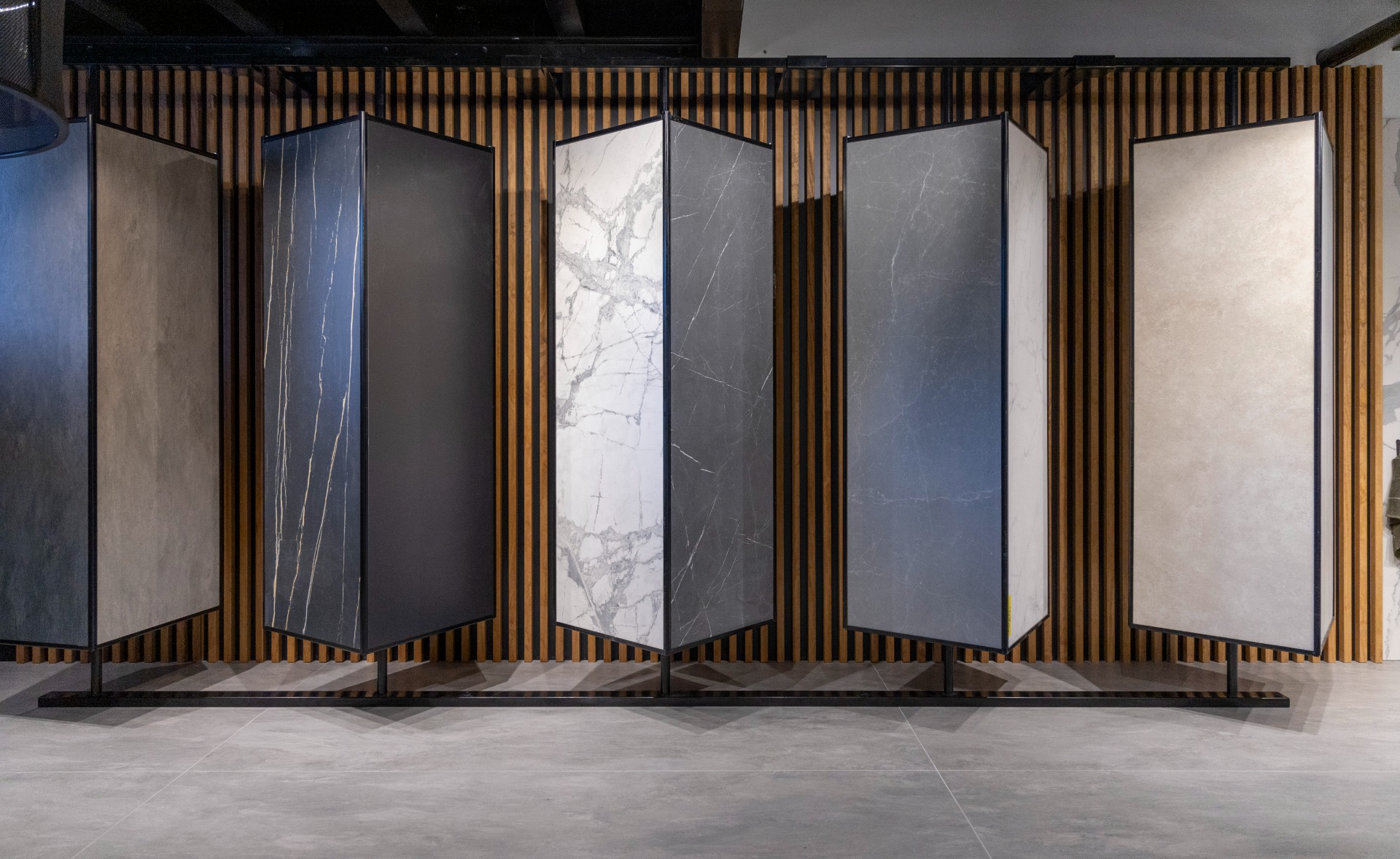
At Archant, we have four showrooms staffed with friendly design experts to guide you in this process. Whether you have questions on colours, finishes, textures, or price, we are ready to assist. Our newest showroom in Havelock North is quite a visual feast of ideas. It’s fully stocked with porcelain displays and samples. Book an appointment to take the next step in your project design.
Related Links
How to Optimise Porcelain Sheet Size for Kitchen Benchtops and Island Design (A Complete Guide)
Key Benefits of Archant Porcelain and New Cutting-Edge Benchtop Features (Guide)
What is Porcelain Bookmatching and How Can it Be Used to Refine Your Design?
6 Common Mistakes to Avoid Making with a Porcelain Benchtop
How to Design a Durable Overhang for Your Porcelain Benchtop and Kitchen Island
An Honest Review of the Best Kitchen Benchtops on the Market
How Much Should I Budget for My Kitchen Renovation in New Zealand? (Pricing Guide)
Top 5 Design Features of Archant Porcelain (Review)
7 Key Differences Between Porcelain and Corian Benchtops (Review and Comparison)
The Ultimate Price Guide to Kitchen Splashbacks (Cost and Comparison)
5 Stunning Ways to Use Large Format Porcelain in Your Design