
What is Porcelain Bookmatching and How Can it Be Used to Refine Your Design?
What is Porcelain Bookmatching and How Can it Be Used to Refine Your Design?
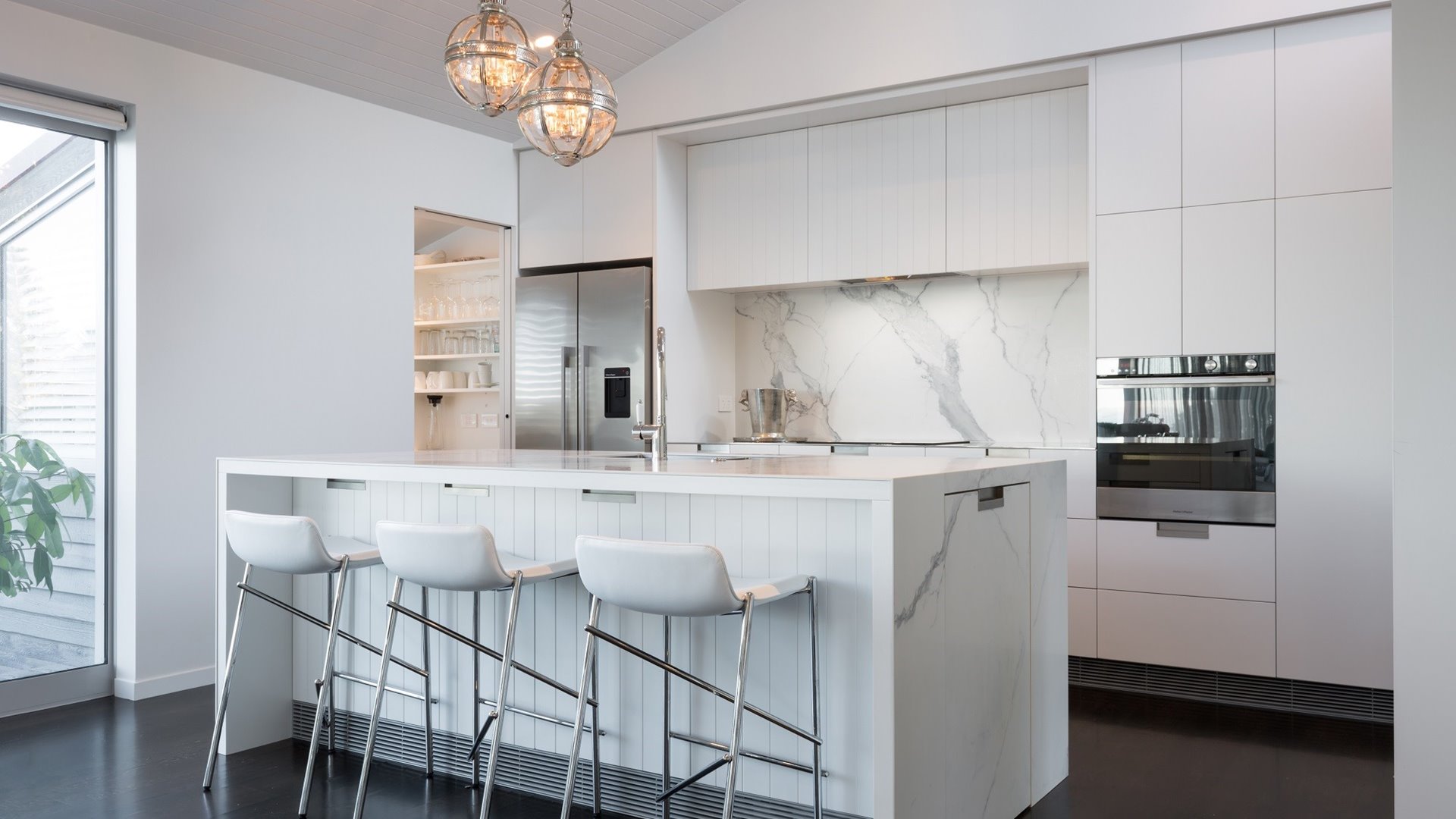
During the idea-gathering stage of a kitchen redesign, our clients often seek examples of edge styles, and other ways to use bookmatching. What should be done with the exposed front of the bench, and how about the sides? Some prefer an open style while others find an apron, or waterfall-type sides to be a more refined look.
The design potential of porcelain doesn’t stop there. As you’ll see below, there are infinite possibilities to upscale your space with bookmatching. Get ready to learn about some of the most beautiful ways to apply it to your project.
At Archant, we’ve been involved with thousands of projects, and are well versed in all the options. Now, we want to pass that information on to you to help guide your research. By the end of this article, you’ll have a much better understanding of bookmatching, and how it can be used to maximise your design.
What is Bookmatching?
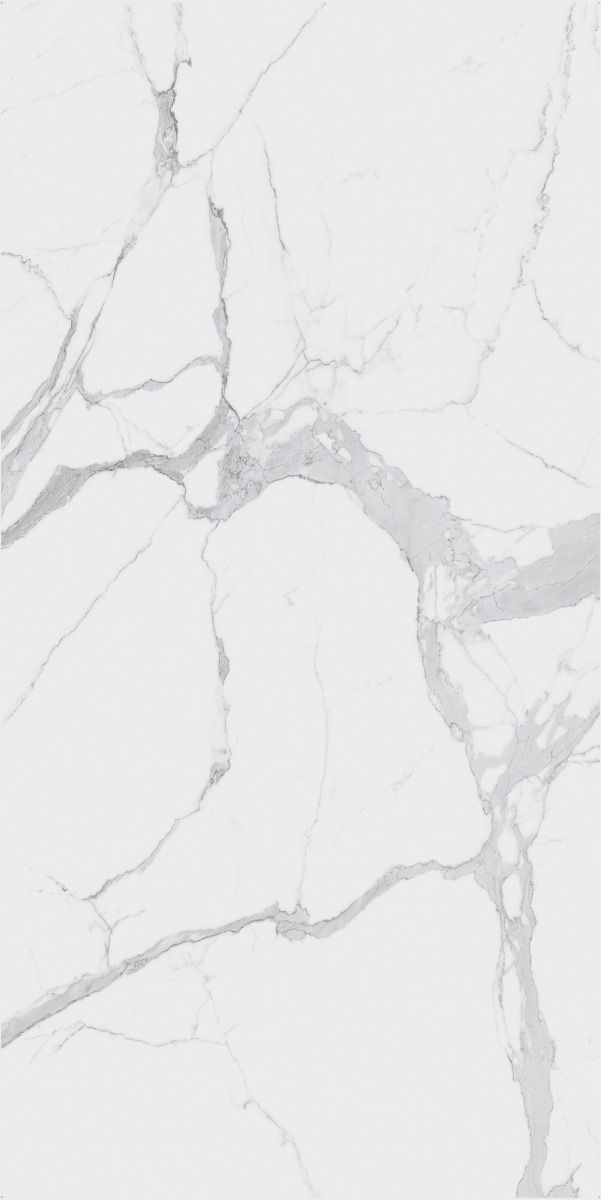
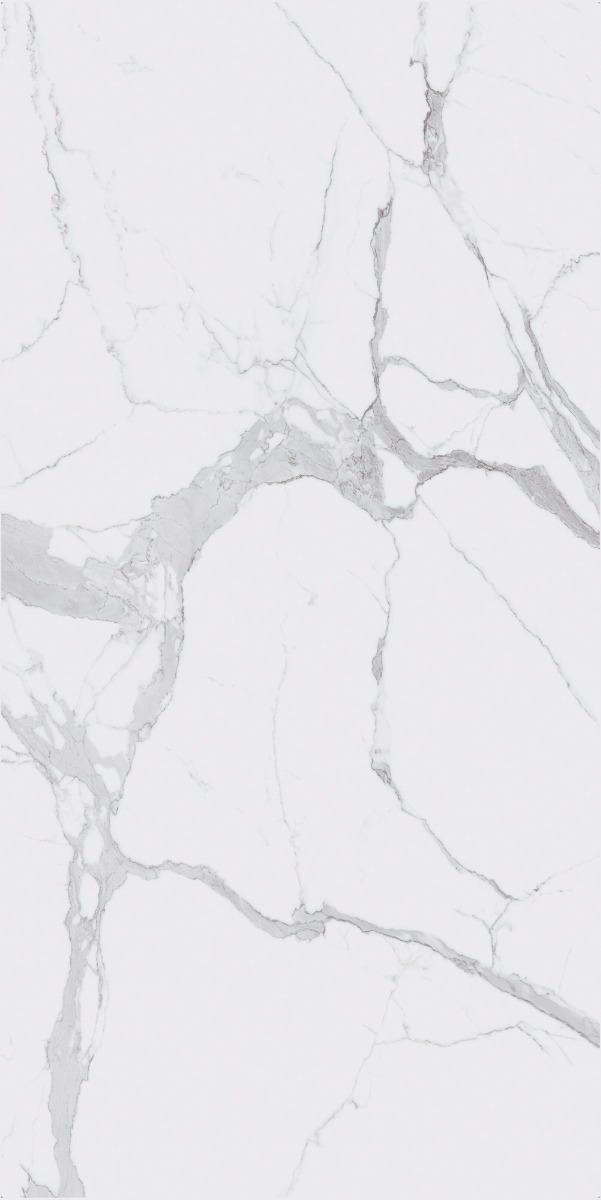
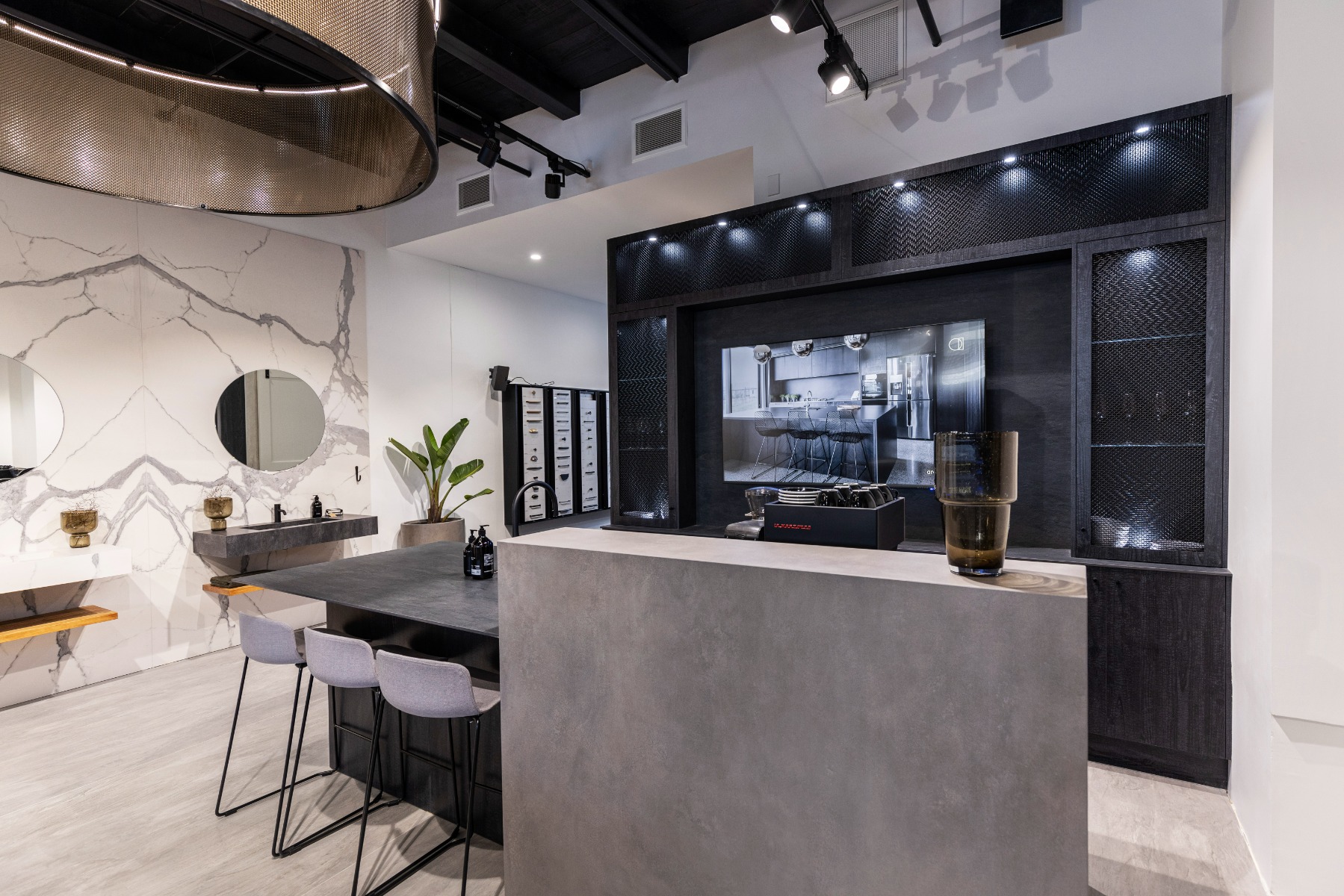
If you’re new to the concept of bookmatching, let’s start by explaining exactly what it is. By joining two sheets of porcelain that mirror each other, the design benefits from one continuous pattern of the veins. It’s reminiscent of an open book, hence the name.
The bookmatching process does require additional sheets of porcelain to be joined, but our unique A&B slabs make it possible to do so in a seamless way. Not to worry if that sounds too technical. We will give you visual examples below and answer the most common questions we hear on this subject.
How Are Porcelain Patterns Created?
Unlike most other surface materials, the patterns are ingrained right onto the porcelain sheet. This makes it possible to create all kinds of looks, including the very popular appearance of marble. With this style, the organic striations of the veins form a gorgeous timeless quality. With bookmatching, these elements join perfectly to create a cohesive look. It’s possible to use A&B slabs with each of our porcelain collections including stone, cement, metal, colour, and marble.
Is Bookmatching an Expensive Process?
When you decide to utilise bookmatching, you’ll need to budget for additional sheets of porcelain along with an increased cost of labour. If you’re trying to create something like the designs above, it can be well worth it.
Keep in mind, that to use this technique effectively, it doesn’t have to cover an entire room. Try applying it sparingly for big results without the inflated cost. It’s much more than just a decorative surface but a unique way to introduce a functional work of art to your home.
Top 5 Ways to Use Porcelain Bookmatching
As we’ve written about in the past, Archant Porcelain is made in Italy from the highest quality materials. Its luxurious look and durable surface make it a favourite for designers here in New Zealand. Here are 5 ways we’ve recently seen bookmatching elevate a design.
1. Porcelain Bookmatching Can be Used for Decorative Walls and Surfaces
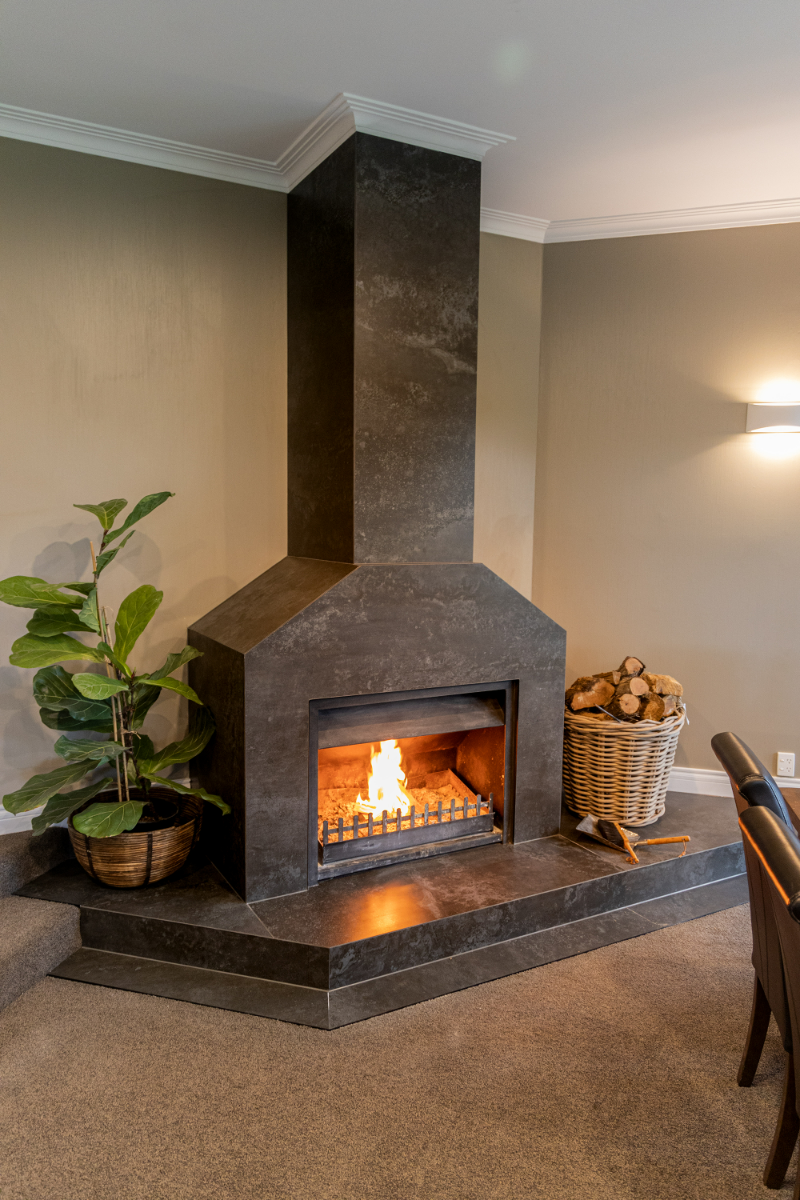
Porcelain has incredible heat-resistant properties, making it an ideal choice for a fireplace. It won’t suffer from thermal stress, and the colour won’t fade or yellow. It’s also very easy to clean and maintain, and durable enough to last a lifetime. Archant Porcelain comes with a lifetime warranty to protect your investment.
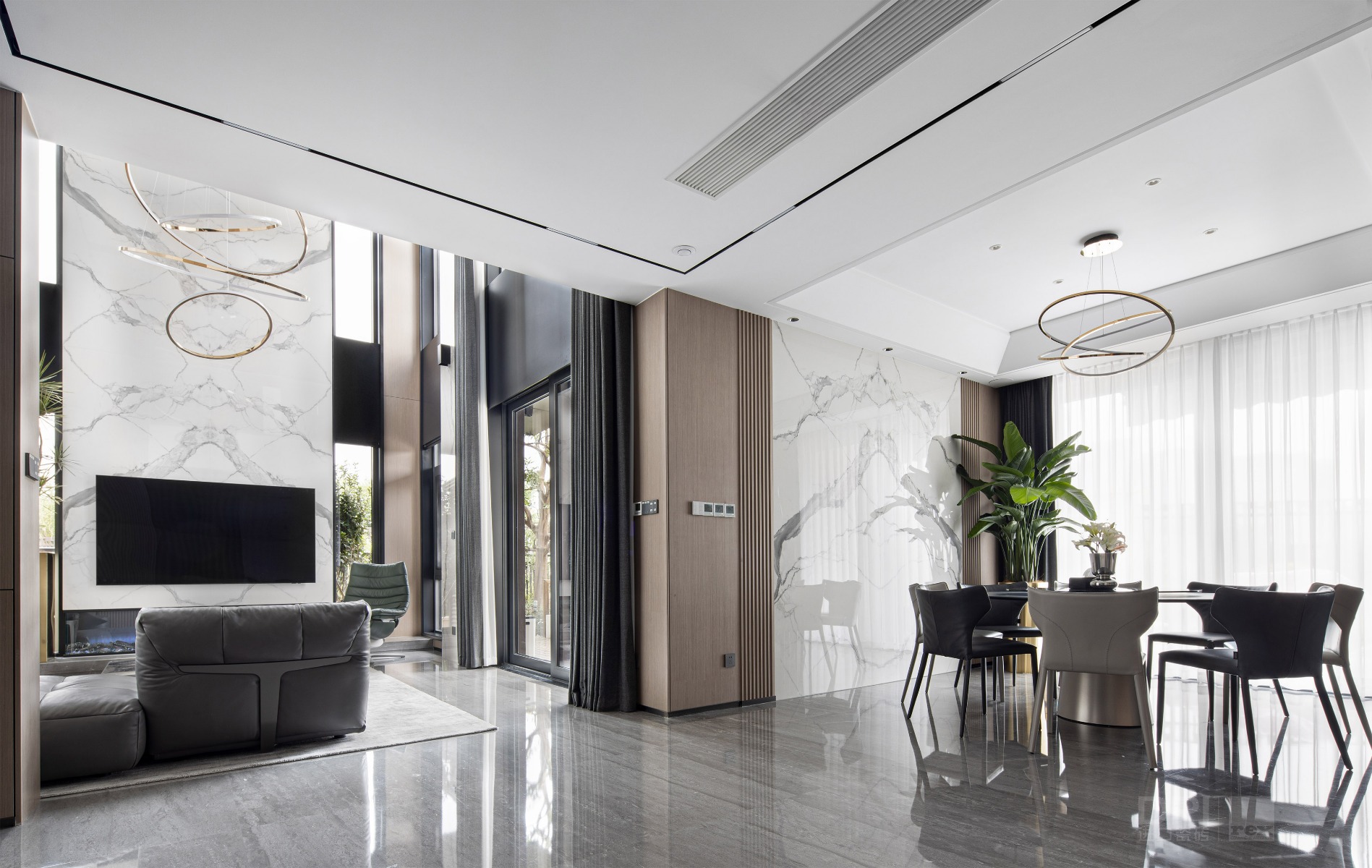
By bookmatching the porcelain sheets, you can continue to vein pattern from the hearth all the way up to the walls behind the fireplace. This results in an impressive design element that’s also fully functional. The A&B slabs are seamlessly joined to give the whole area a smart, cohesive look.
2. Extended Your Kitchen Benchtops and Island with Bookmatching
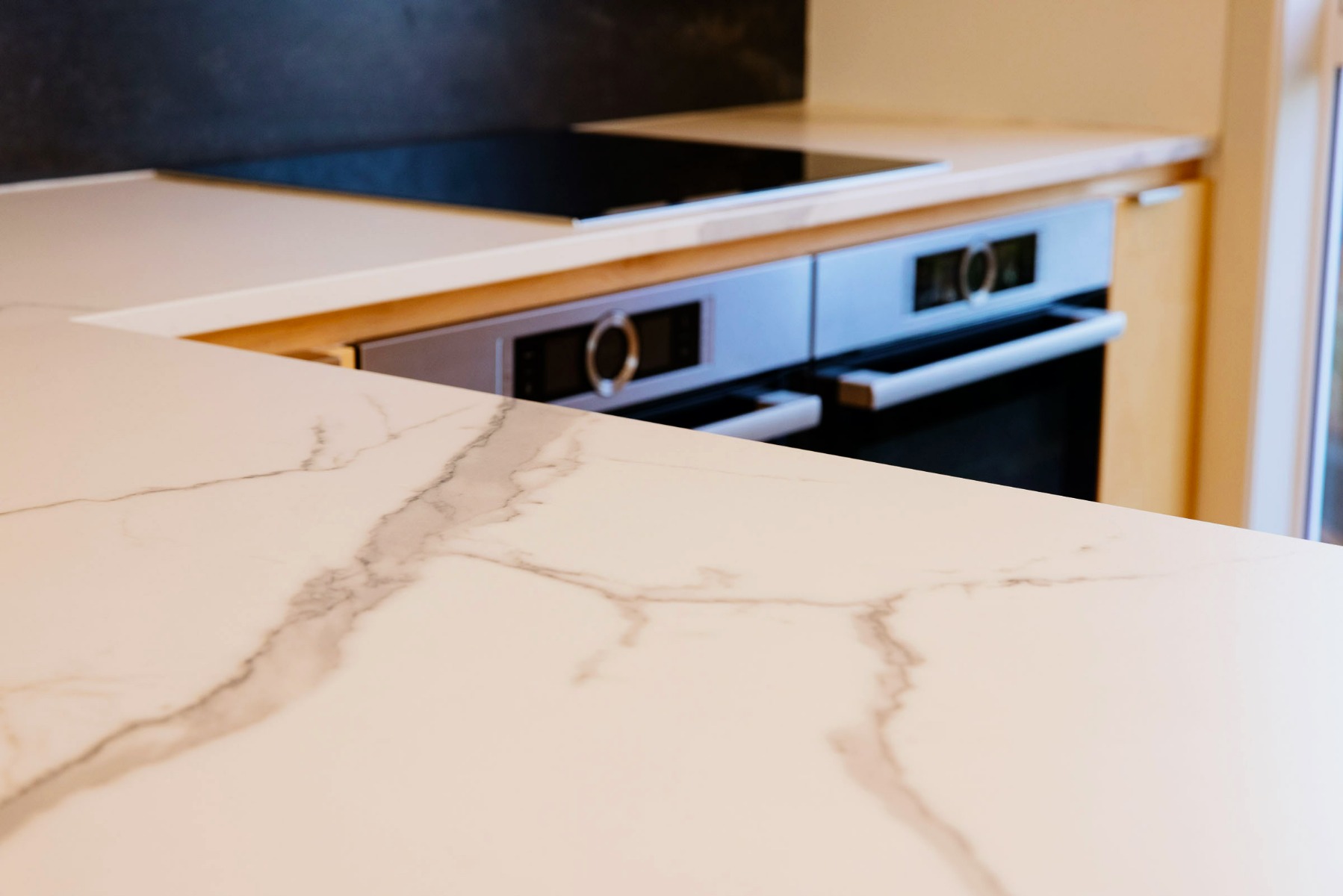
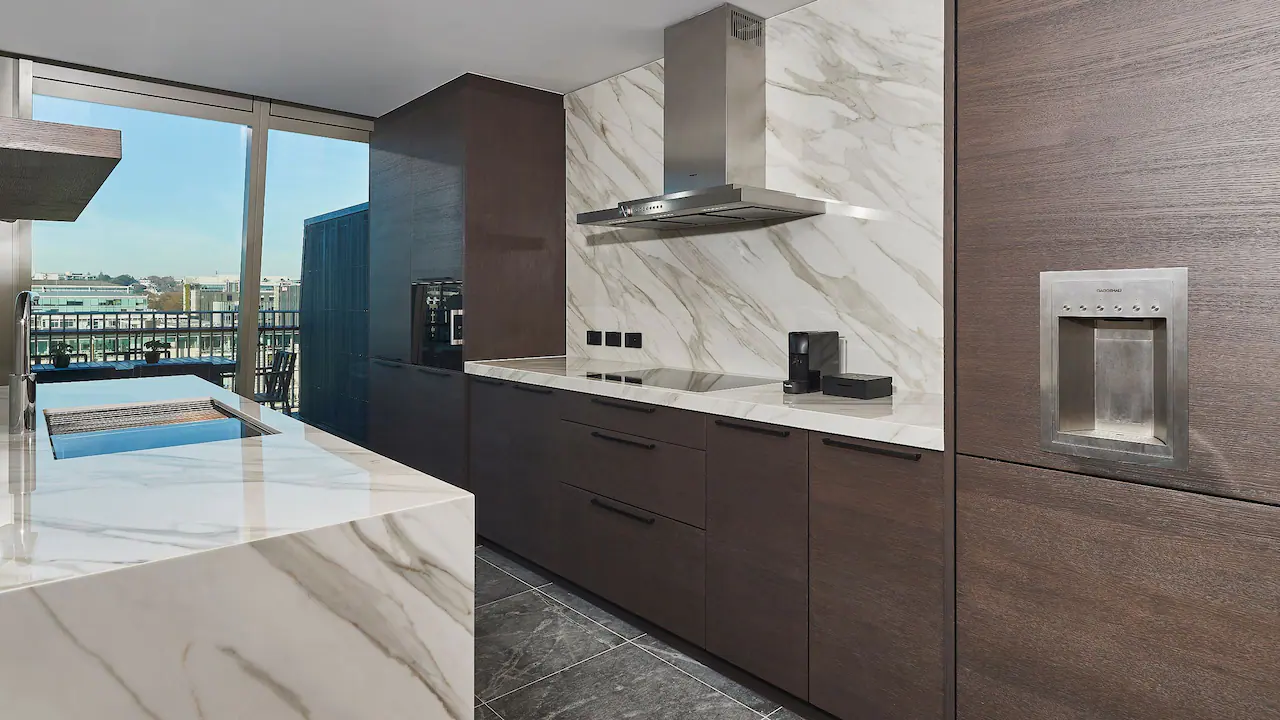
While the traditional New Zealand bench measures around 900mm in width, some kitchens allow for a more expansive design. If you were to mount two ordinary slabs side by side without bookmatching, the pattern in the porcelain would be interrupted in the middle. This detracts from the overall flow of the space and makes things feel disjointed.
The simple solution is to leverage A&B tiles with bookmatching. When joined, the two sheets come together brilliantly to form one long bench. The patterns appear more natural instead of multiple stops and starts. This type of visual flow adds real impact. With a stylish and oversized porcelain island, you’ll enjoy an abundance of surface area to meal prep on.
3. Continue the Design with Waterfall Edges and Aprons
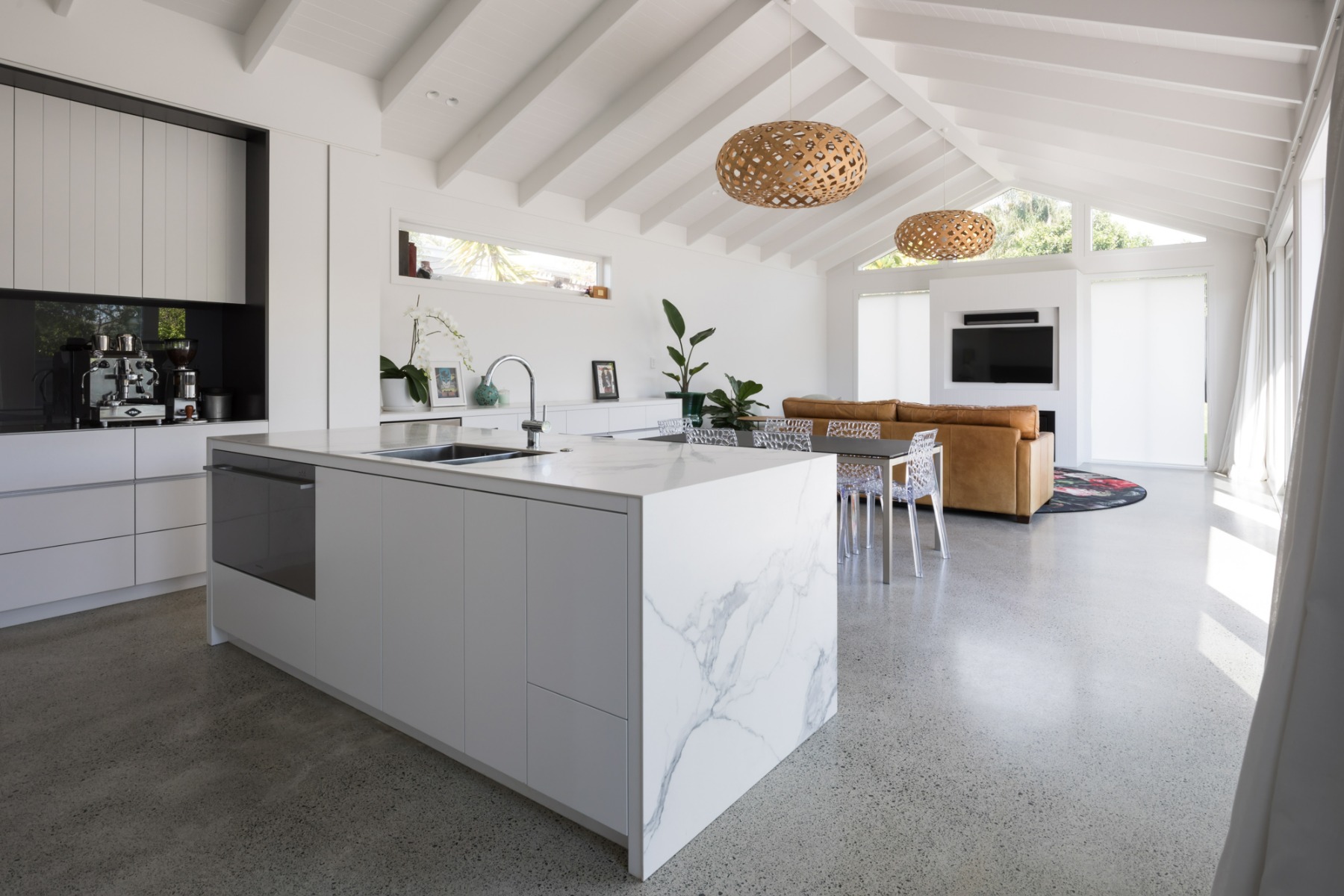
What you choose to do with the edges of your island will have a direct impact on the look and functionality of it. Waterfall edges are a beautiful way to extend the pattern of the porcelain all the way down to the floor. With bookmatching, the pattern flows effortlessly throughout the design. The same is true with an apron placed on the front of the surface.
You could skip this element altogether, but you’ll miss an opportunity to refine the overall look of the space. These types of edge designs can give an island a solid feel that’s quite gorgeous as well.
4. Decorative Porcelain Floors
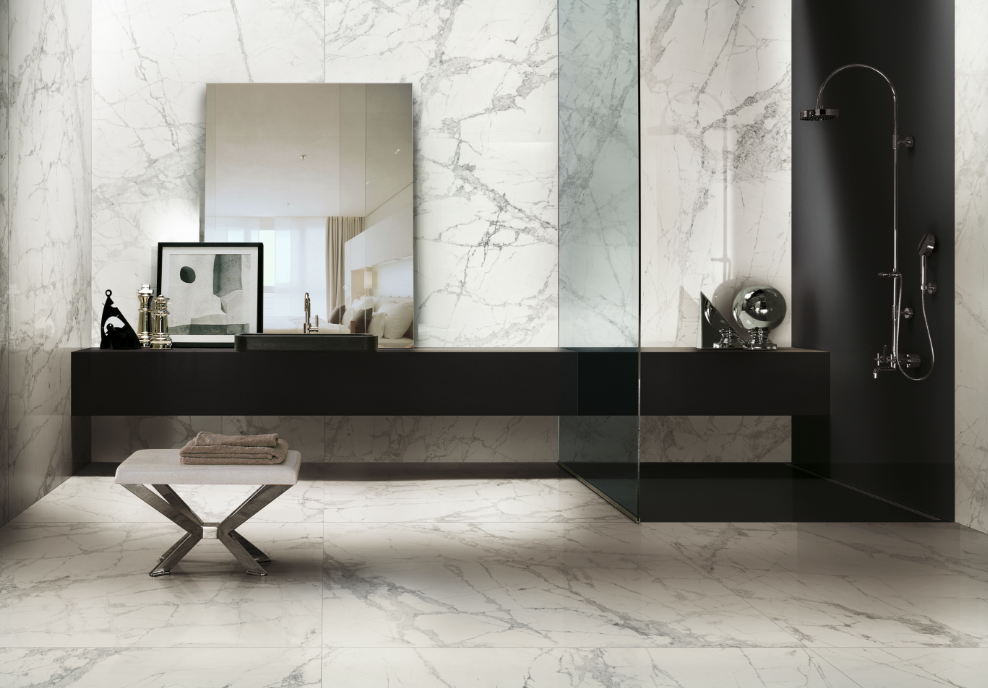
Walking into a space with porcelain floors immediately conjures images of faraway lands with ornate villas that are rich in design character. Bookmatching brings decorative porcelain floors to a whole new level. It allows the pattern to sprawl out across the space almost as if it’s one enormous slab of stone.
Not only does this add a decadent quality, but it increases the feel of the space with its light reflectivity and opulence. You’re not limited to kitchens and bathrooms here, but also entryways, living areas and beyond.
As an added benefit of Archant’s large format porcelain sheets, there is less grout, making the floor much easier to install and maintain. Each oversized slab is generously sized at 3200 x 1600mm.
5. Continue the Pattern with a Bookmatched Splashback
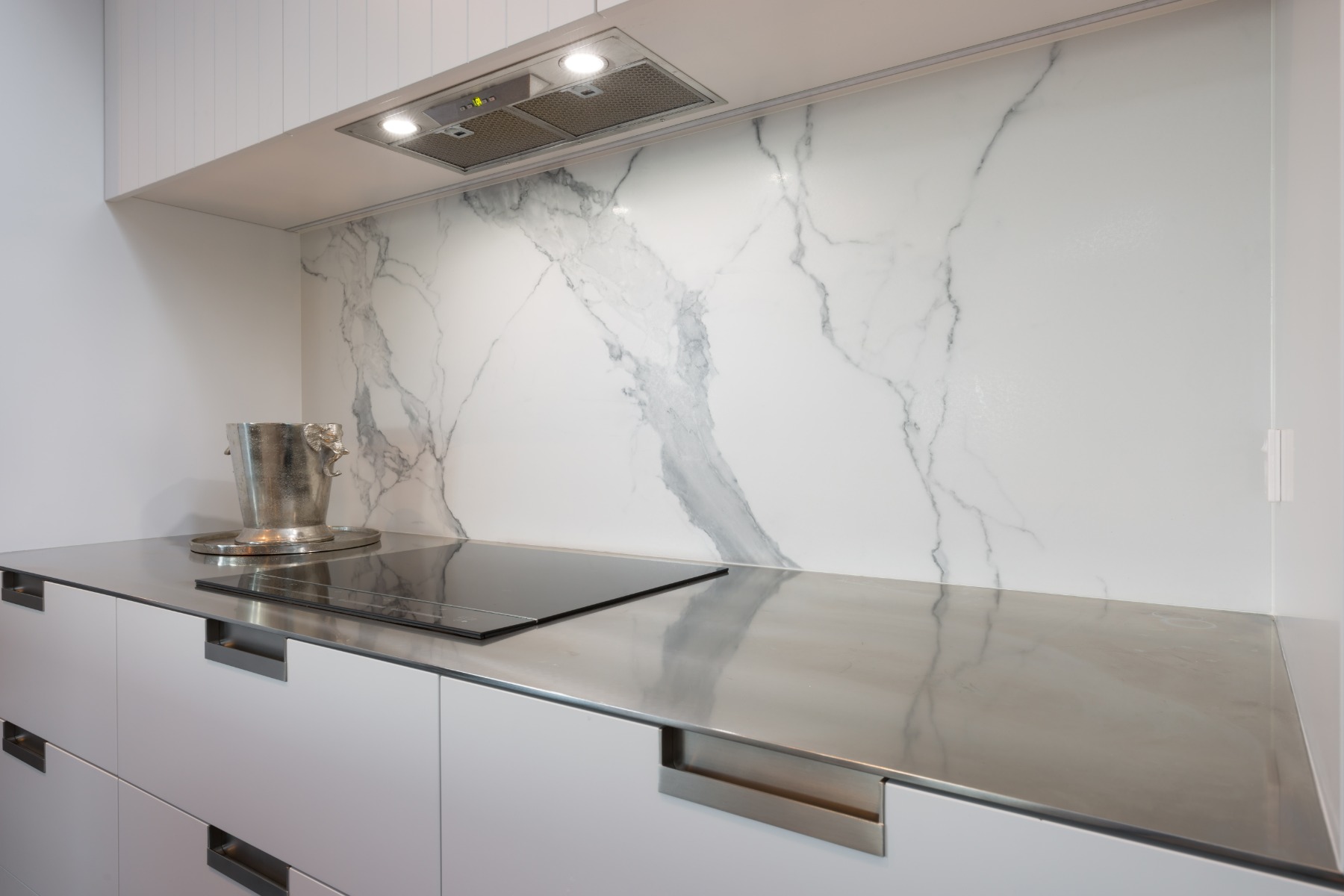
The consensus among real estate experts in New Zealand is the perceived value of a splashback will increase a home’s sale price. And while it’s true that porcelain splashbacks will be a slightly larger investment than some alternatives, it’s hard to surpass the style and durability of porcelain. With our bookmatched tiles, the splashback is a low-cost way to increase your return on investment. Whether you’re completely renovating an outdated kitchen or creating a new one, it pays to do it right.
For a clean and consistent look, start by matching the splashback to your benchtop. Then, leverage the mirrored patterns of the bookmatched A&B slabs. The veins in the design will continue seamlessly from the bench to the splashback. With porcelain’s incredible stain and scratch resistance, heat resistance, and ease of maintenance, you have a simple but powerful way to create an inspiring and functional work area.
We Can Help with Your Design Project
As you can see, bookmatching porcelain tiles offer a smart new way to upscale your design. Whether you’re considering stylish edges for your worktop or larger-scale applications of porcelain, the effect of our A&B sheets is undoubtedly breath-taking.
As our design experts at Archant have found in the thousands of projects we’ve assisted with, bookmatching takes residential and commercial design to an unprecedented level of sophistication.
If you’d like to talk about your project with a showroom consultant, and see these products in person, book a time that’s convenient for you. We’ll be happy to discuss the specific ways bookmatching can enhance your design.
Related Links
How to Optimise Porcelain Sheet Size for Kitchen Benchtops and Island Design (A Complete Guide)
6 Common Mistakes to Avoid Making with a Porcelain Benchtop
Porcelain vs Quartz Benchtops: Which is the Best Surface Your Kitchen? (Comparison)
How to Design a Durable Overhang for Your Porcelain Benchtop and Kitchen Island
An Honest Review of the Best Kitchen Benchtops on the Market
How Much Should I Budget for My Kitchen Renovation in New Zealand? (Pricing Guide)
Top 5 Design Features of Archant Porcelain (Review)
7 Key Differences Between Porcelain and Corian Benchtops (Review and Comparison)
The Ultimate Price Guide to Kitchen Splashbacks (Cost and Comparison)
5 Stunning Ways to Use Large Format Porcelain in Your Design