
Archant Quartz Benchtops vs Caesarstone®: An Honest Comparison
Archant Quartz Benchtops vs Caesarstone®: An Honest Comparison
At Archant, we strive to provide the most accurate and detailed information to help guide your important design decisions. Of course, over time as products and offerings change, it can affect the information herein. We do want to be clear though, that we feel very strongly in the viability of each of these options. You can’t go wrong with any of these selections, making it a great time to update your project.
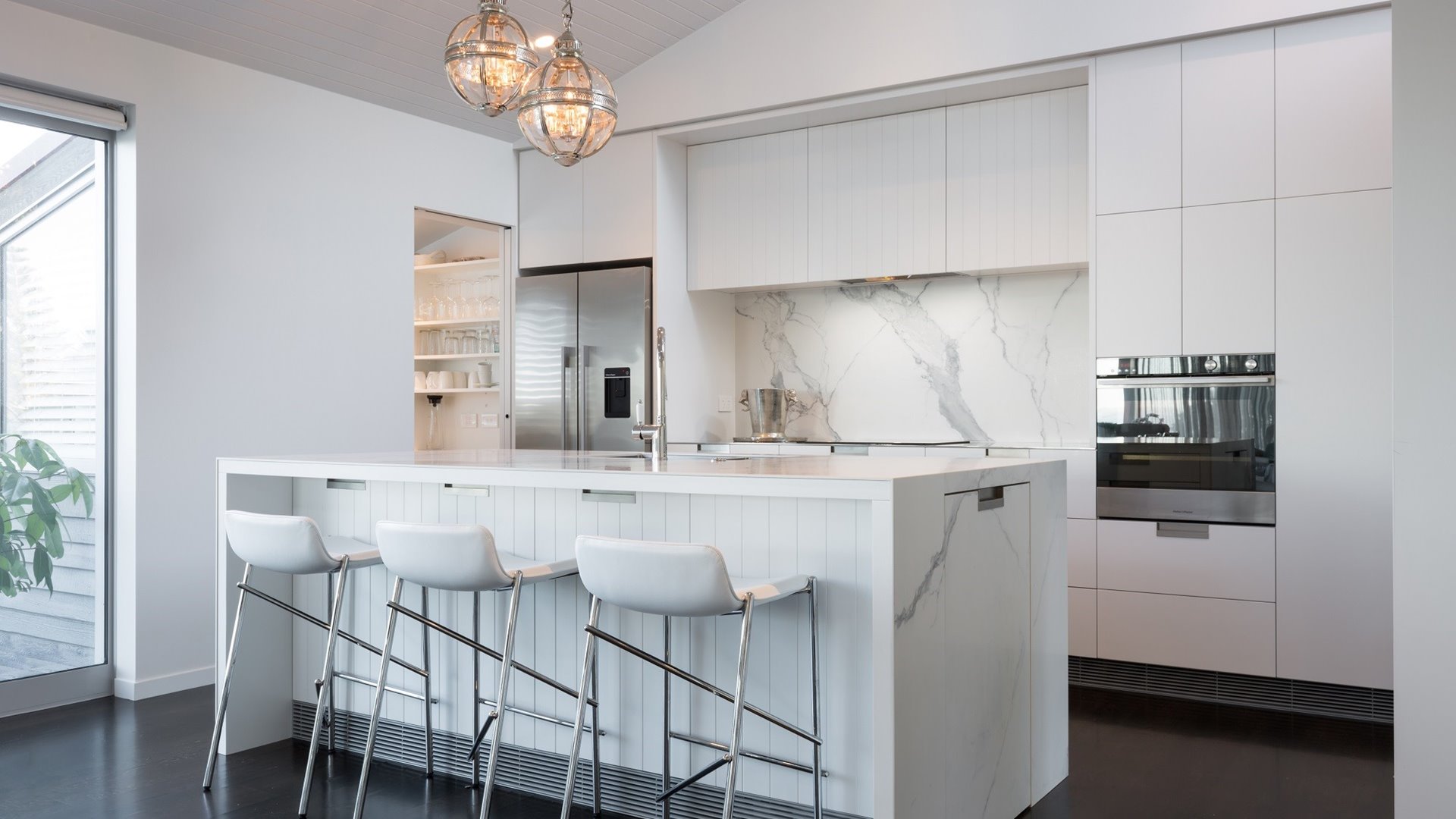
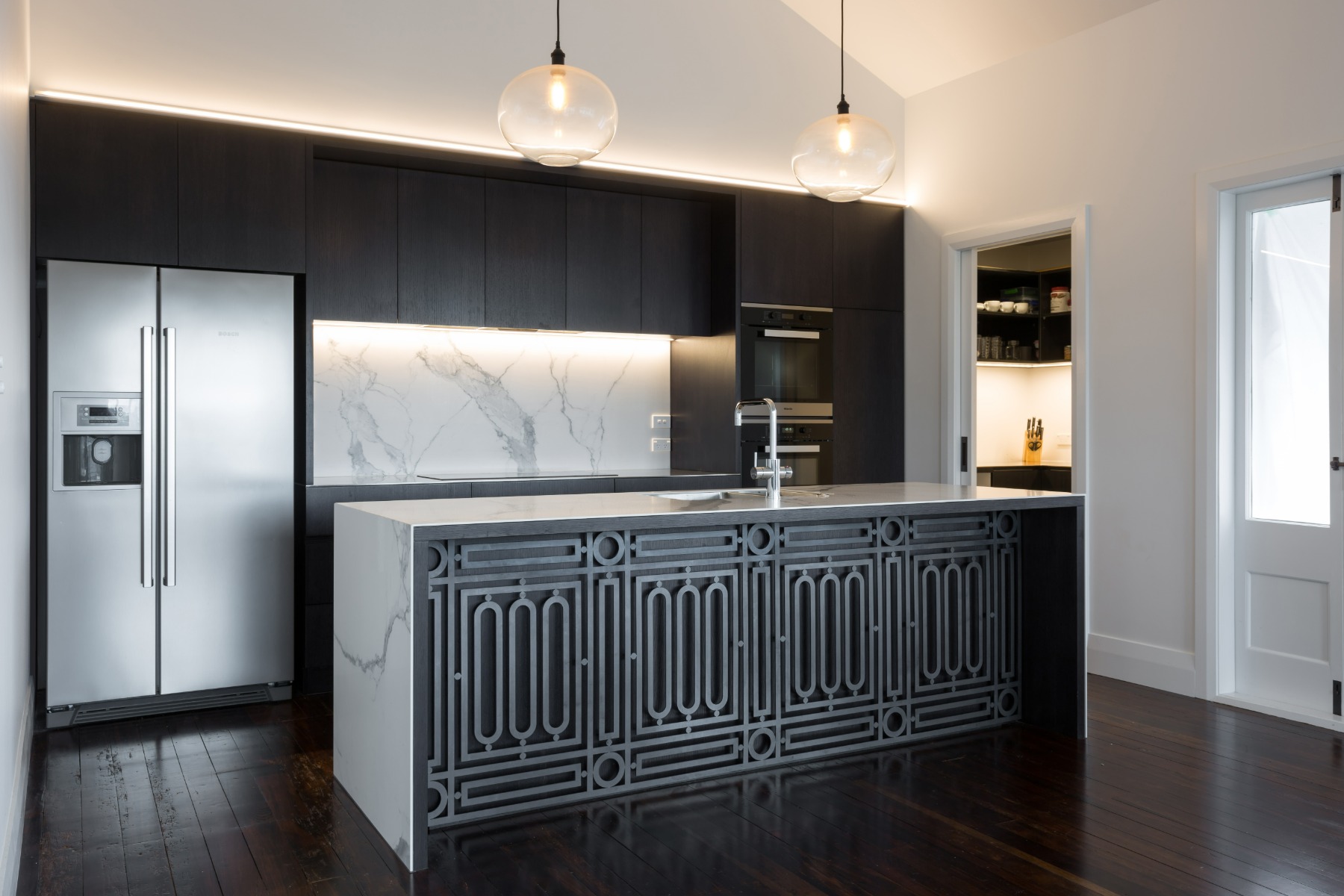
If you’re shopping for a new benchtop material you’ve likely heard of Archant Quartz benchtops as well as those by Caesarstone®. The two are remarkably similar, and this can make it challenging to note the differences between them.
We’ve researched for you and have presented it here in a compact format. By the end of this article, you will have a more complete understanding of each, and be one step closer to deciding what’s best for your kitchen.
Similarities of Archant Quartz and Caesarstone Benchtops
Before getting into the differences, let’s look at the similarities. Both benchtops are created with the finest ground quartz and combined with natural resins. The specific makeup of each is slightly different. Caesarstone® consists of “up to ~90% natural quartz aggregates, organic pigments and enhanced polymer resins.” Archant quartz surfaces consists of 93% natural quartz and 7% resins.
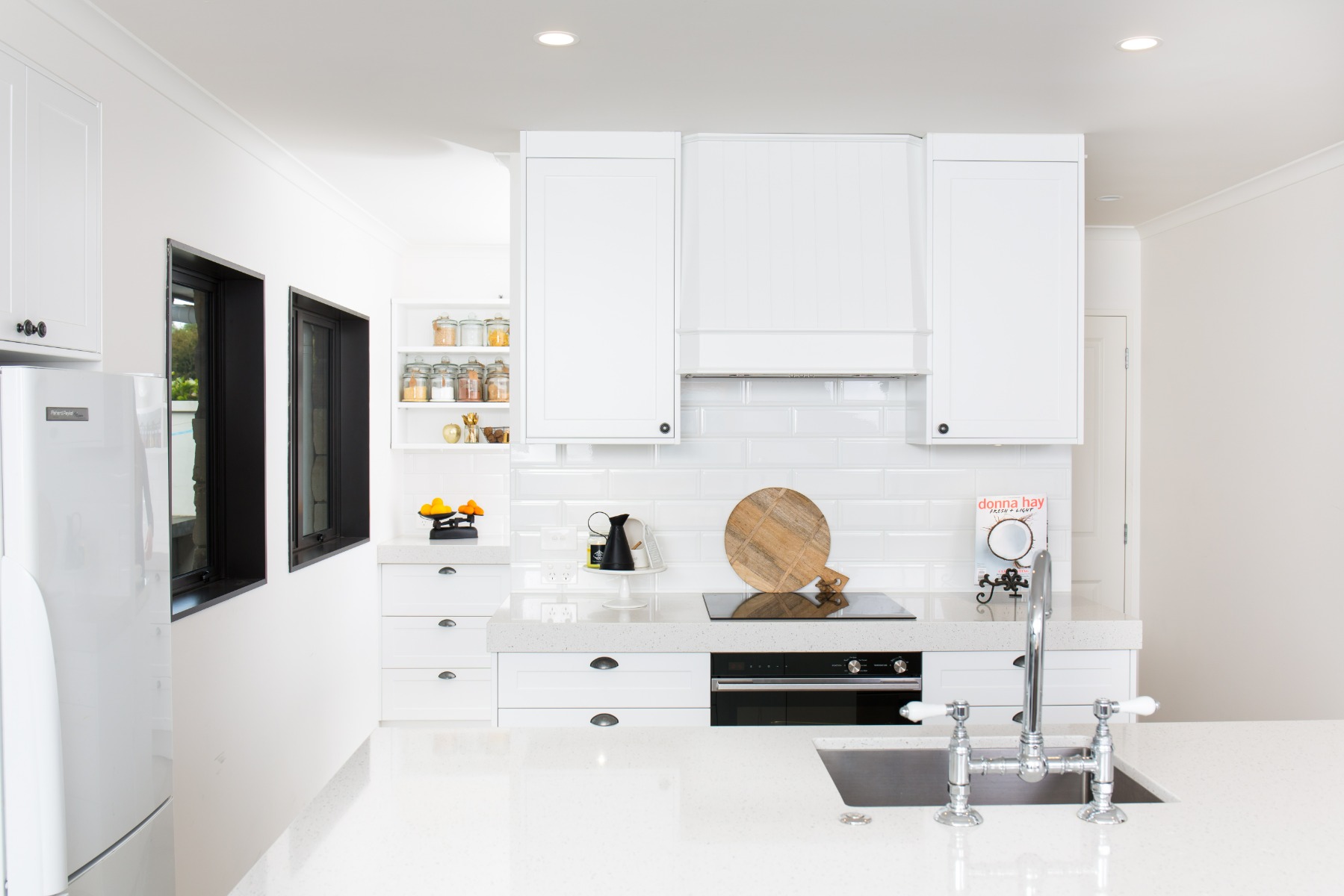
The results from both processes are strong and durable slabs. These quality engineered stone ranges are ideal for kitchen benchtops featuring on-trend colours and backed with uncompromising durability and hygienic qualities.
Whichever company you buy from, you can rest assured you’re getting a non-porous surface that’s highly resistant to scratches and stains. When properly cleaned, Archant Quartz and Caesarstone® benchtops do not allow the growth of mould, mildew and bacteria ensuring a perfectly food-safe counter to prepare food on.
Both Are Environmentally Sensitive
Another positive characteristic of both companies is their commitment to an eco-friendly fabrication process.
Archant Quartz is sourced from responsible manufacturers mainly from Italy who is not only famous for their design and quality but their environmental consciousness. The factory is GREENGUARD Gold Certified for low emissions.
Caesarstone® has also committed to an ecologically responsible production process. Their environmental agenda includes using a high level of recycled material, and sustainable practices which are standard throughout the industry. Their factory is also GREENGUARD Gold Certified.
Things to Avoid with Archant Quartz and Caesarstone® Surfaces
Caesarstone® and Archant Quartz are generally easy to care for. Some things should be avoided though.
Neither product should be used outdoors, or for flooring or walls. If the surface is struck with force or a heavy object, it can chip or crack. Archant Quartz is not impervious to heat nor is Caesarstone®.
Placing hot cookware directly onto either surface will cause damage. A trivet should be used to prevent burning and melting the resin mixed into the benchtop.
Likewise, heavy pressure from a knife can cause some scratching. To keep these surfaces looking their best, it is advisable to use a cutting board when prepping food.
What are the Differences between Caesarstone® and Archant Quartz Counters?
Peace of mind comes as standard with Archant Quartz. Not only is it produced to the highest possible standards, but it also offers a 12-year warranty.
All Caesarstone® quartz benchtops come with a comprehensive 10-year limited warranty.
Keep in mind, that the benchtops from both companies are built to last for the foreseeable future when cared for properly. Neither warranty will cover accidental damage from misuse.
What Types of Finishes are Available?
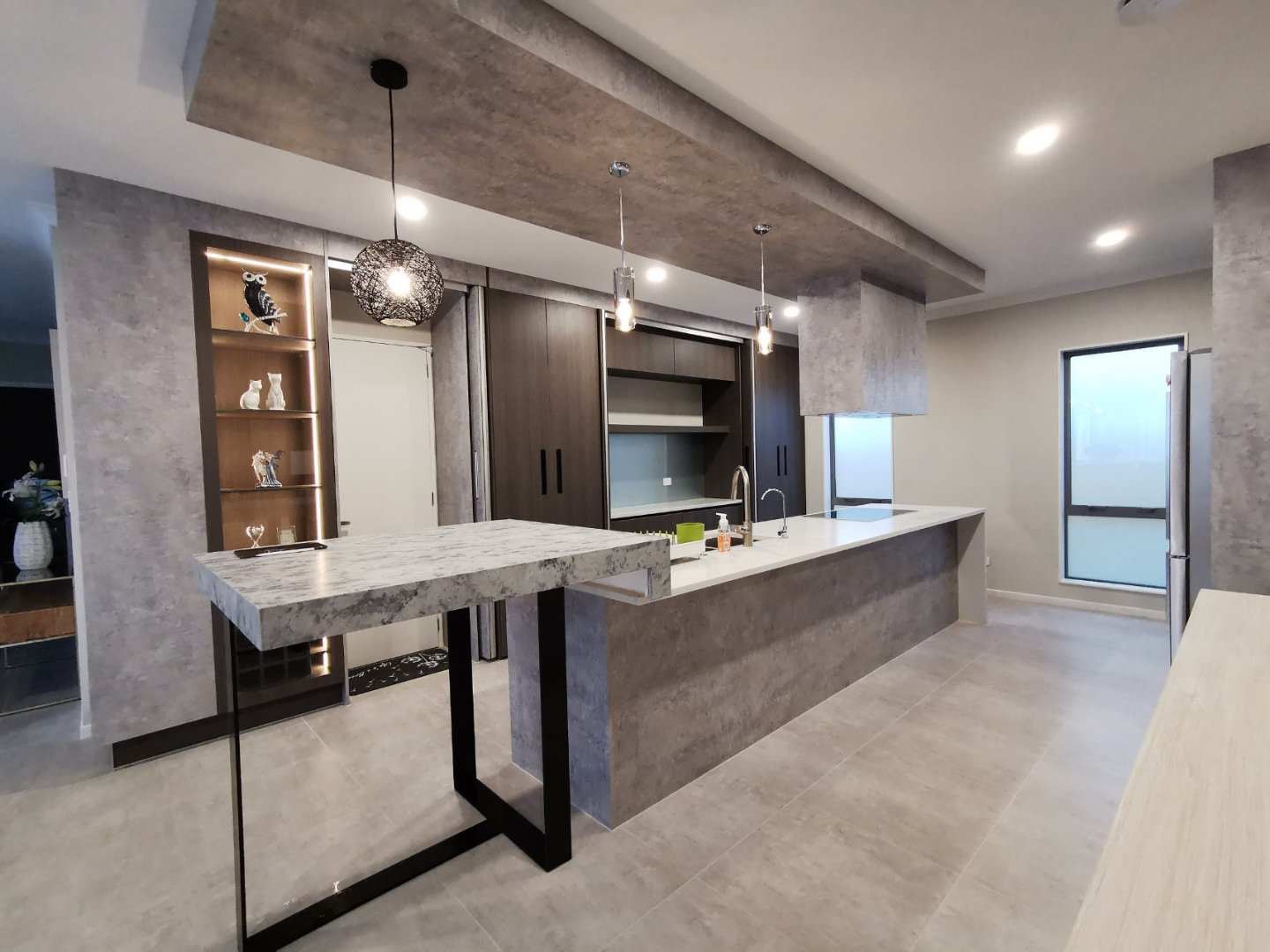
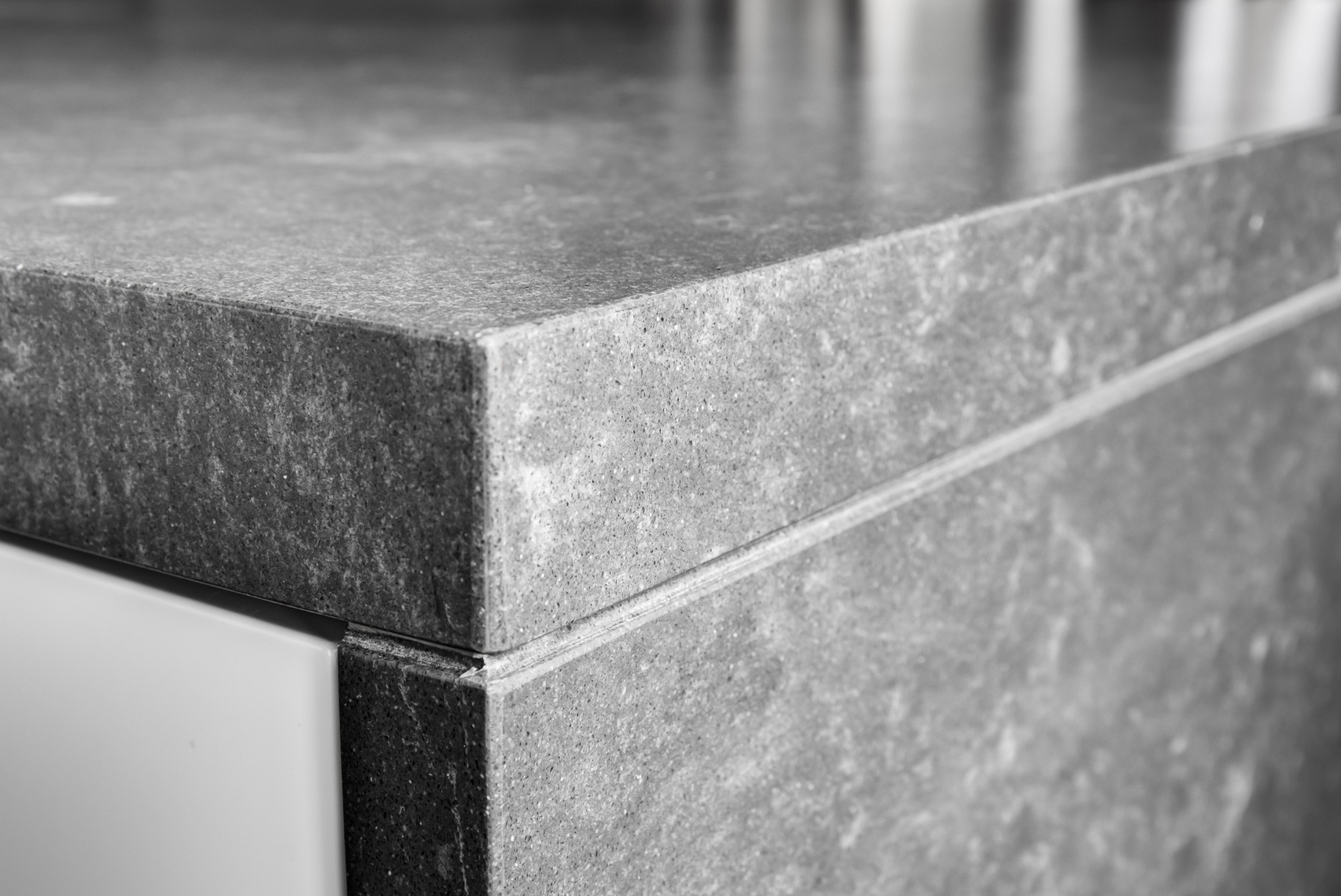
Archant Quartz is available in two finish options. The polished finish has a reflective surface and displays the vibrancy of the colour and the character of the stone. The metropolis stone range is a matte finish option that has more depth, texture, and grooves on the surface. This unique surface has become quite popular as the ridges, dimples, and textures are all different from sheet to sheet.
Caesarstone® has five different classifications of finishes. These are polished slabs, natural finishes which are slightly less reflective with a warmer feel. They also offer a line of textured styles which mimic the various nuances of concrete. One of these categories is lightly textured, while the others are coarser.
Slab Sizes
Most Caesarstone® slab sizes measure 3050 x 1440 mm and come in thicknesses of 20mm, and 13mm in select colours. They also offer a 30mm range for those who desire more of a high-end appearance. They also have a Jumbo size with a height ranging from 3240 - 3340 mm, and width at 1640mm.
With Archant Quartz, most colours in the series are available in slabs of 3050mm x 1400mm and a thickness of 20mm but some are available in jumbo sizes of 3200mm x 1600mm, and thicknesses of 20mm or 30mm. Ideal for a variety of kitchen styles, those jumbo-size slabs provide ultimate flexibility to suit a range of internal applications.
Pricing Comparisons
The cost of raw materials and installation is quite similar with Archant Quartz and Caesarstone®. To keep costs down, it’s beneficial to craft your dimensions according to the raw slab sizes.
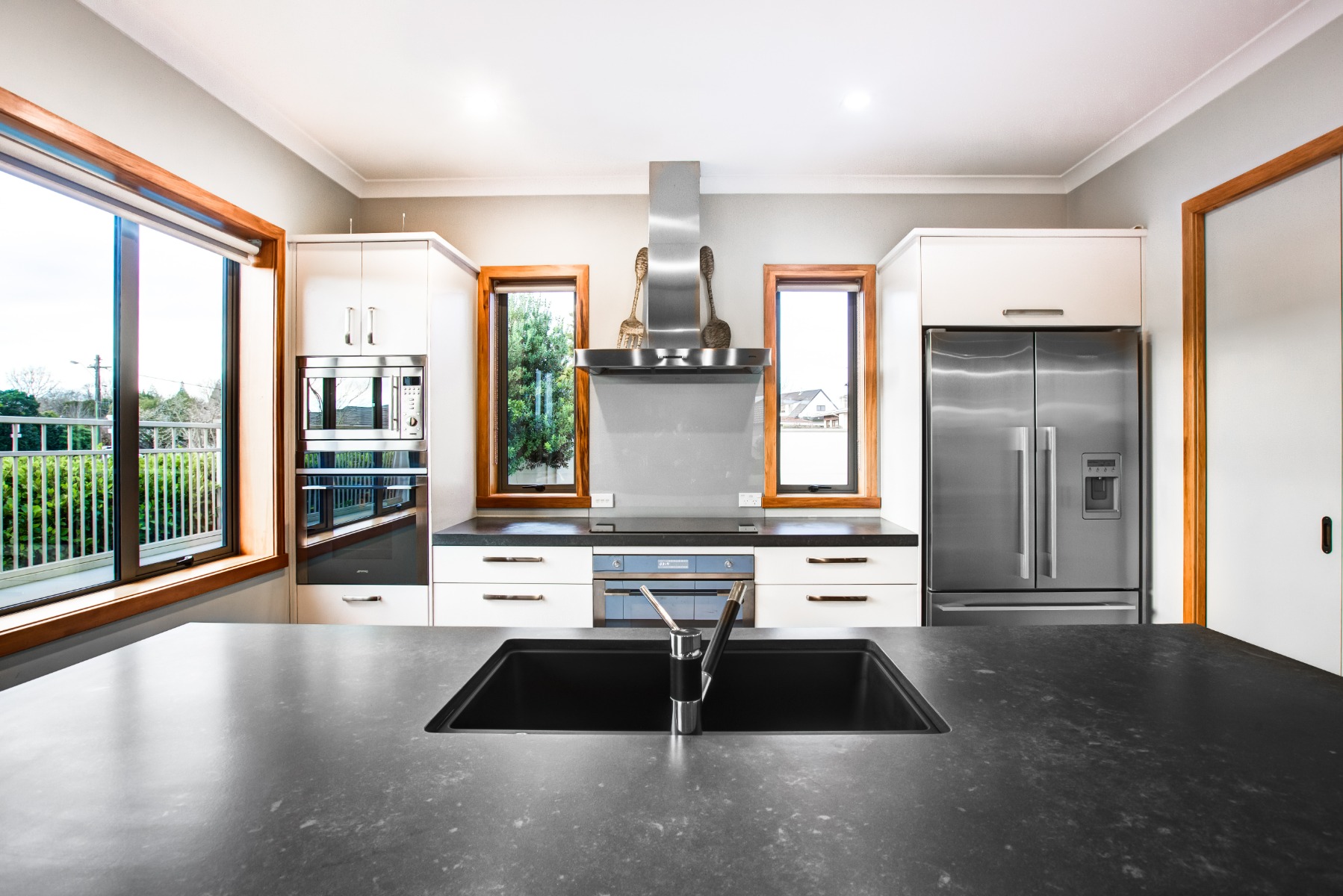
With Archant’s jumbo slabs, you can create an island bench up to 3200 x 900 and an additional hob bench up to 3200 x 650mm.
Alternatively, if your design called for a larger benchtop of 3200mm on the long end, a second sheet of Caesarstone® would be required as their slabs measure 3050mm in length. A join would also be required if using the standard Caesarstone® slab for a larger bench as the sheets are 3050mm. This would essentially increase the cost of raw materials and labour.
The thickness of your slab will also be used in determining the price. Thicker sheets of 20 and 30mm will cost more than the thinner 13mm that Caesarstone® offers with some styles.
In Conclusion
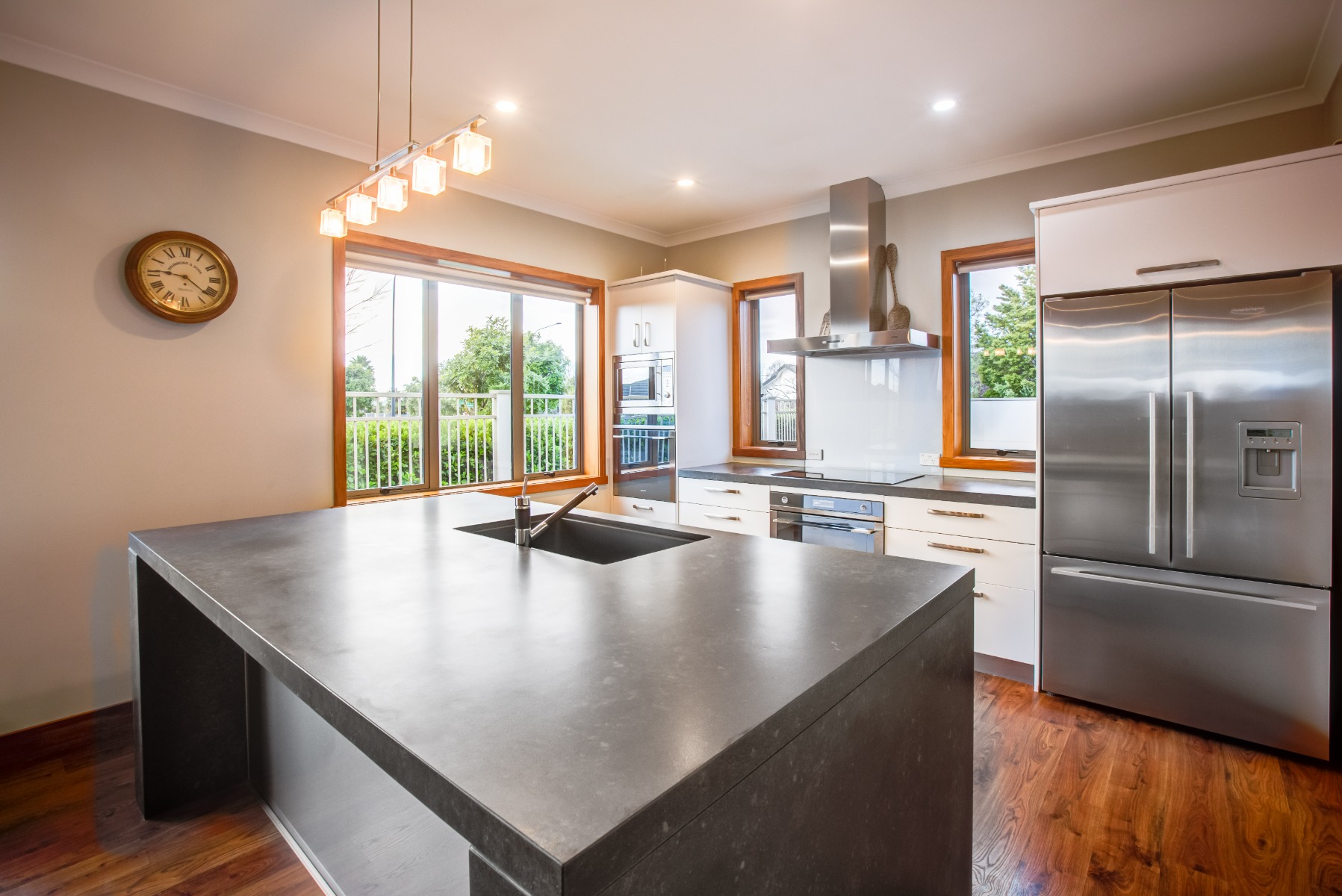
Both Archant Quartz and Caesarstone® are very solid, durable products that will last for many years to come. You’ll be pleased with how simple they are to care for.
Ordinary household products are all that’s required to retain their lustre. You can even use a wet cloth to wipe the surface without fear of water marks and residue. In terms of style, there isn’t a clear winner.
They both feature nearly unlimited design potential. And while each company offers savings through slightly different size offerings, the overall difference in price is negligible.
Related Links
The Ultimate Cost Guide to Caesarstone Benchtops (Pricing)
Porcelain vs Quartz: A Pricing Comparison
Top 10 Pros and Cons of Quartz Metropolis Benchtops (Review)
7 Key Differences Between Porcelain and Corian Benchtops (Review and Comparison)
Which is the Best Benchtop: Concrete, Porcelain, or Quartz (Comparison)
When Will My Benchtop Be Installed? A Breakdown of the Process
A Guide to Porcelain Benchtop Costs
Porcelain vs Dekton: Which is the Best Benchtop?
A Review of Porcelain vs Laminate Benchtops (Cost, Style and Durability Comparison)