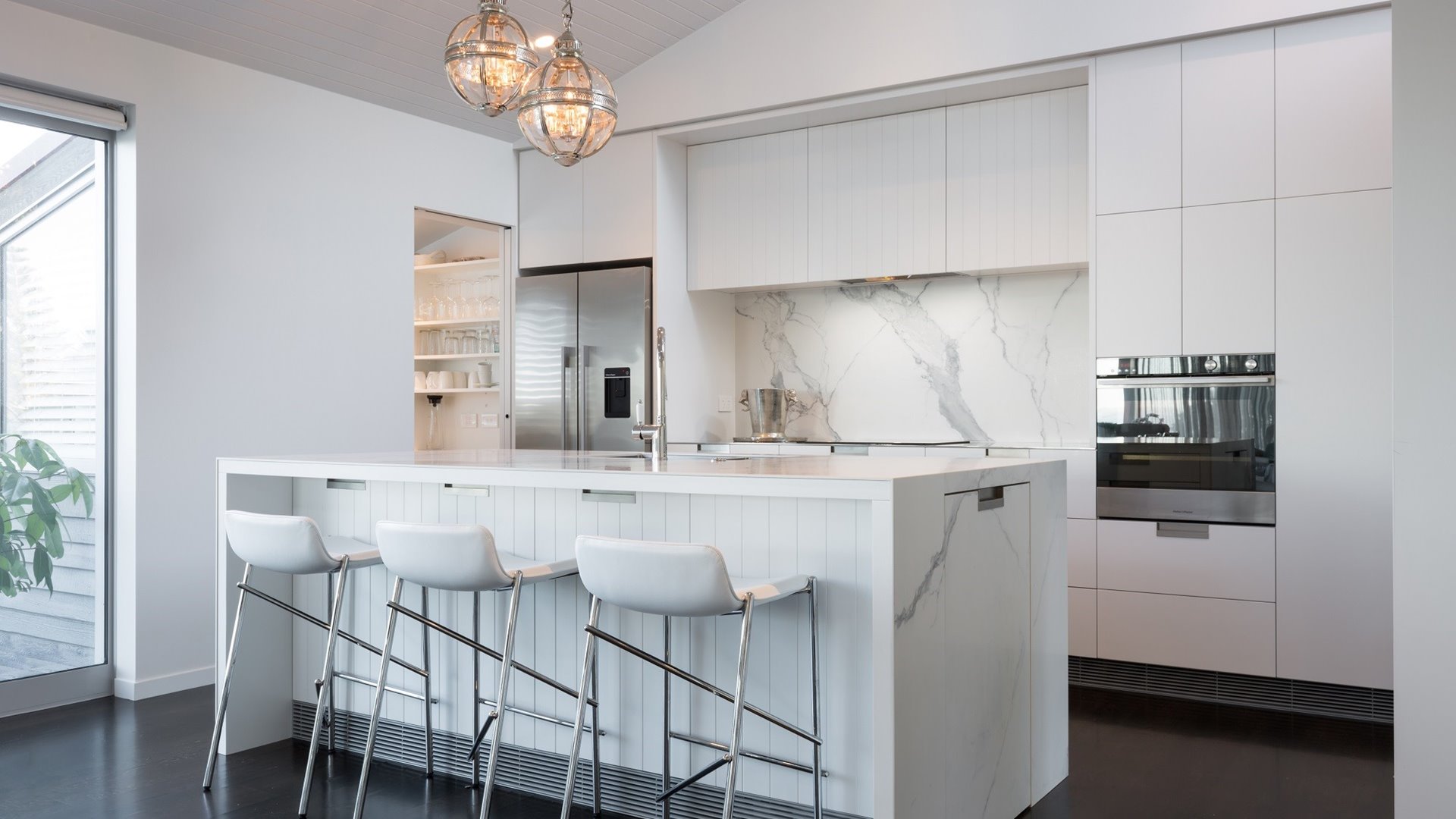

7 Answers to the Most Frequently Asked Questions About Porcelain
7 Answers to the Most Frequently Asked Questions About Porcelain
You’ve already heard glowing reviews from those who have used porcelain in their design. The style and durability are often referenced, as is the ease of maintenance. Yet, before deciding if porcelain is the right material for your project, you may still have important questions that need to be answered.
At Archant, we cherish the opportunity to educate those who seek more insight into great design. We want you to feel comfortable before proceeding and have prepared this article to help you. What are the questions you have about porcelain that have yet to be addressed? In this piece, we’ll detail seven of the most frequently asked questions from people just like you.
As many schoolteachers will tell you, there’s no such thing as a bad question. We couldn’t agree more. Chances are, many designers and homeowners are wondering about the same things.
Let’s take a closer look at the inquiries we hear most often. By the end, you’ll not only have the answers you seek but hopefully the confidence to move forward with your porcelain application.

The Top 7 Questions About Porcelain
Before diving into the detailed answers, here is a list of the most frequently asked questions about porcelain. This was curated by design experts who talk to clients in our New Zealand showrooms throughout the year.
- How Durable is the Edge of a Porcelain Benchtop?
- How Long Until It’s Installed?
- Is Porcelain an Expensive Option?
- How Long do Porcelain Surfaces Last?
- Is Porcelain Hard to Keep Clean?
- Where Can I Use Porcelain in My Design?
- Are There Any Disadvantages to Porcelain?
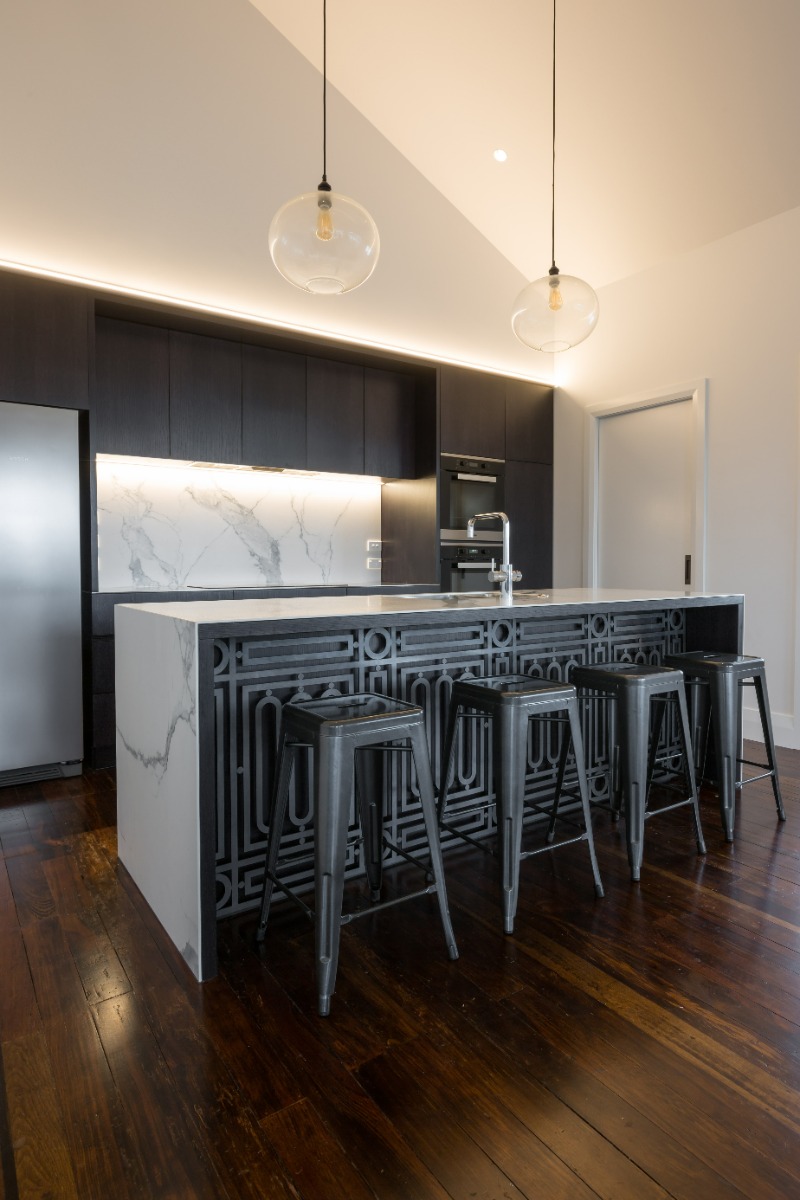
1)How Durable is the Edge of a Porcelain Benchtop?
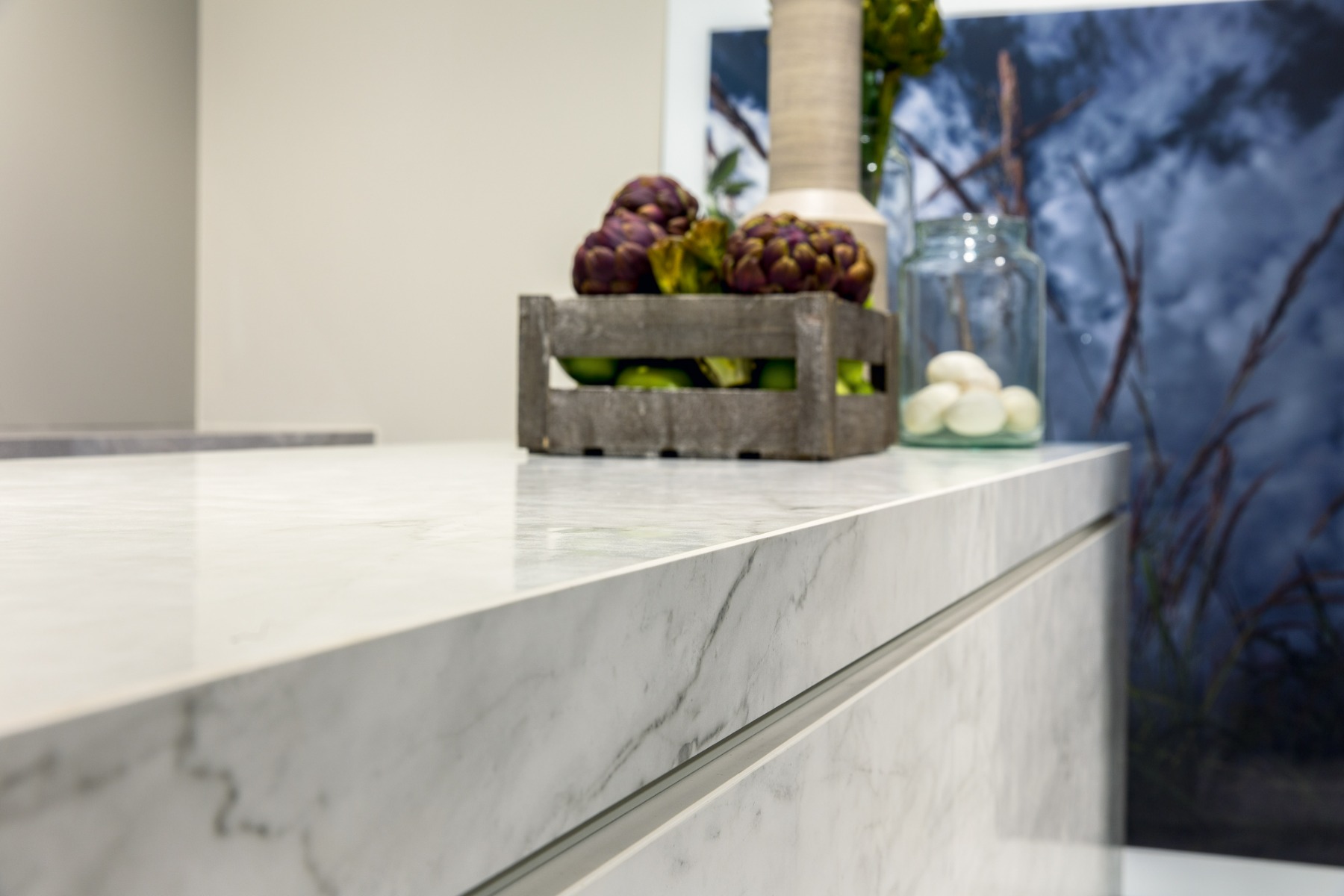
We’ve noted the strong build and durability of porcelain in other articles, but let’s focus specifically on the edges for a moment. These are the more vulnerable areas of a benchtop as they absorb a fair amount of contact while working in the kitchen.
With islands and other designs that feature an overhang, the edges are indeed more exposed to the potential for damage. With overhangs, we follow special protocols to make sure it’s strong enough to support weight distribution.
The one thing you do want to be careful of is applying heavy pressure or solid force along the edges. For example, standing on it to change a lightbulb may result in a cracked surface. Likewise, smashing a heavy bag of ice against the side could cause it to chip. So, while porcelain worktops are indeed built to last, it’s best to take care around the edges.
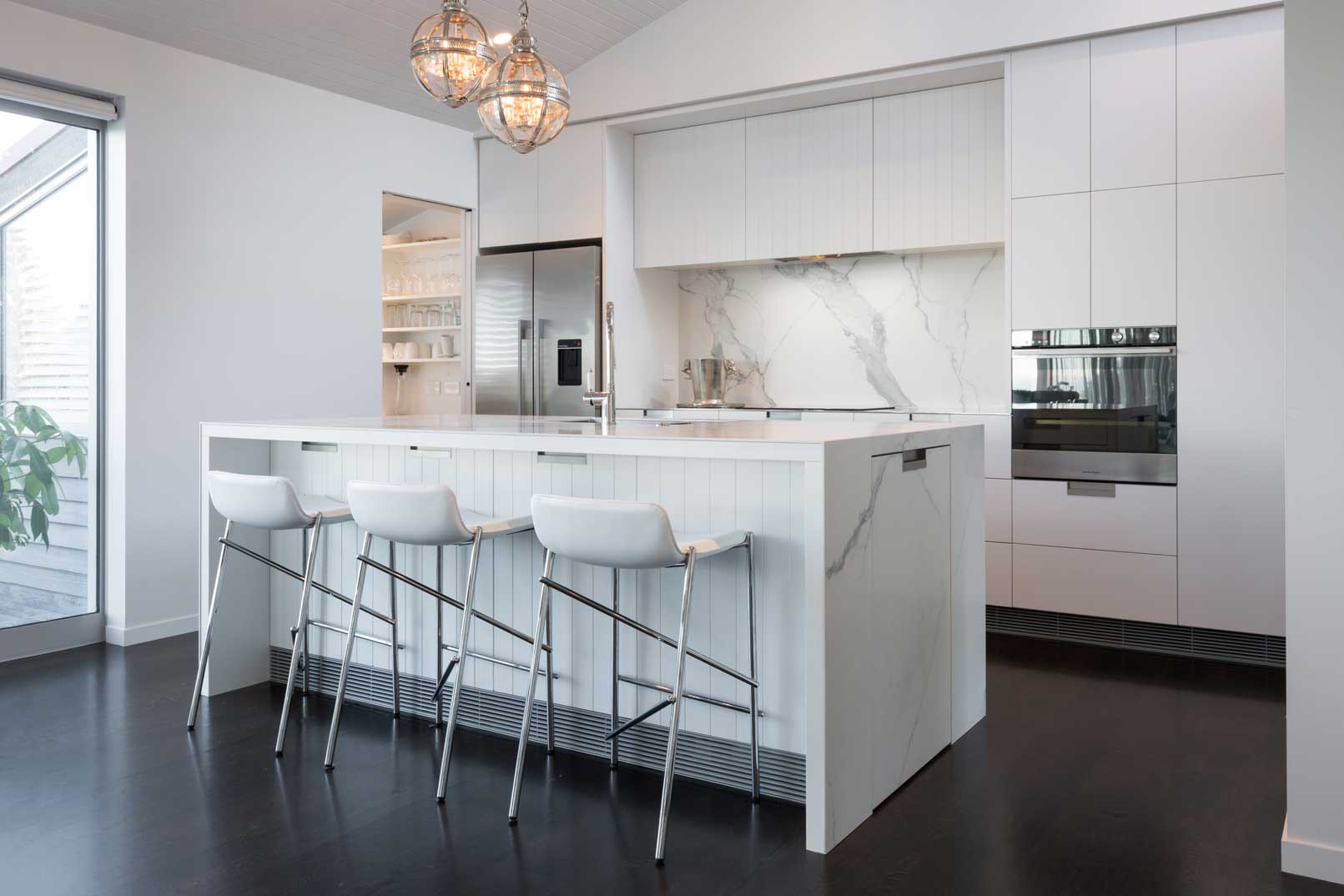
2) How Long Until Your Porcelain Surface is Installed?
The news of the supply chain disruptions is all too real, not only here in New Zealand, but around the world. At Archant, we’ve taken action to make sure your project can proceed without delay. While our large format slabs are made in Italy, we readily stock them in our Hawke’s Bay warehouse.
This means you don’t have to wait for an international delivery to make your design project a reality.
Our experts will guide you through each step of the design process to make sure the porcelain materials you need, are ready when you are. This quick turnaround is something we pride ourselves on, and a quality that’s made Archant a trusted supplier of porcelain for both residential and commercial jobs around New Zealand.
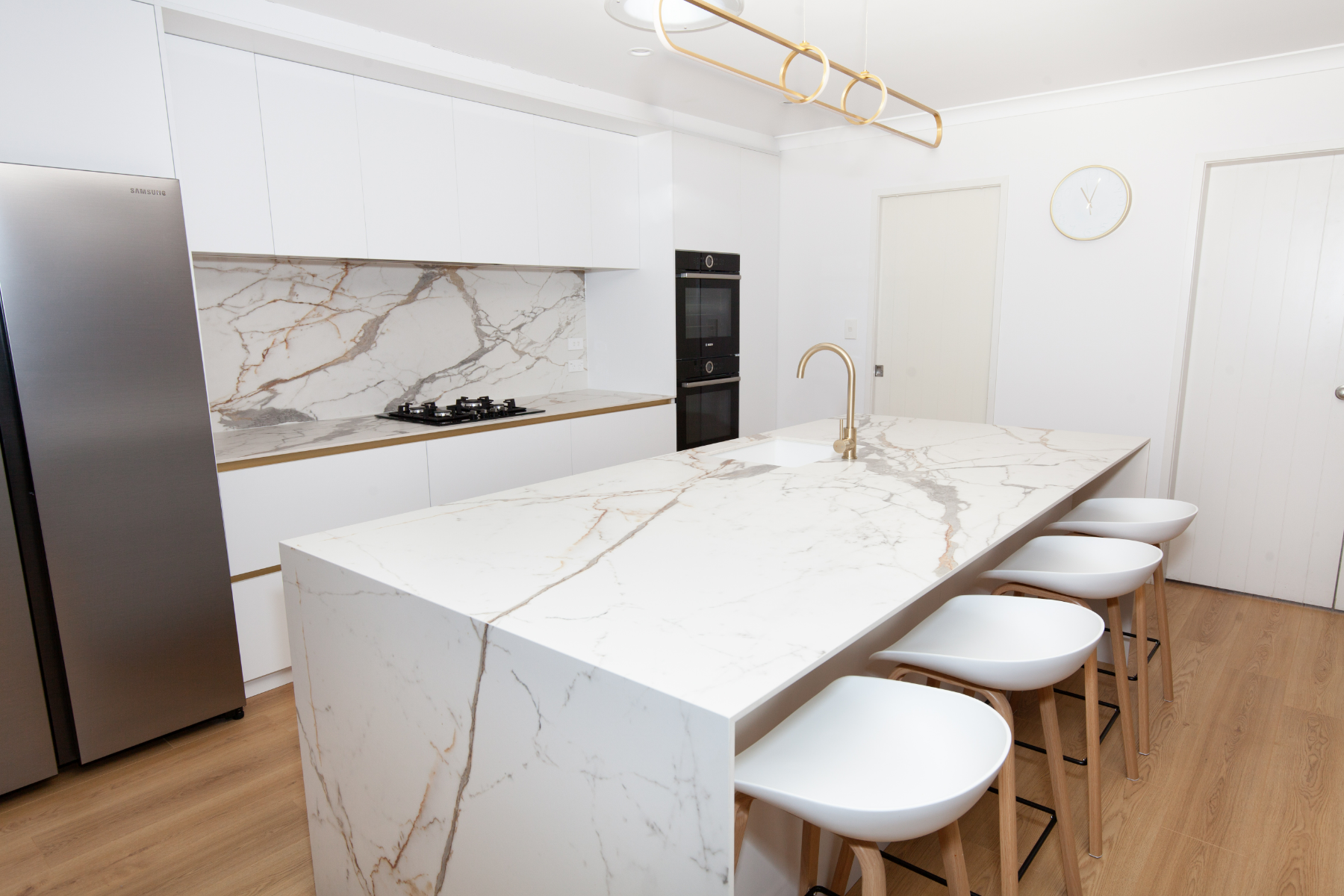
3) Is Porcelain an Expensive Option?
Porcelain is big on design without the inflated costs of natural stone. Porcelain is unique in its creation by blending high-quality natural materials with cutting-edge technology. This allows the design to be ingrained onto the surface at a fraction of the cost of many alternatives.
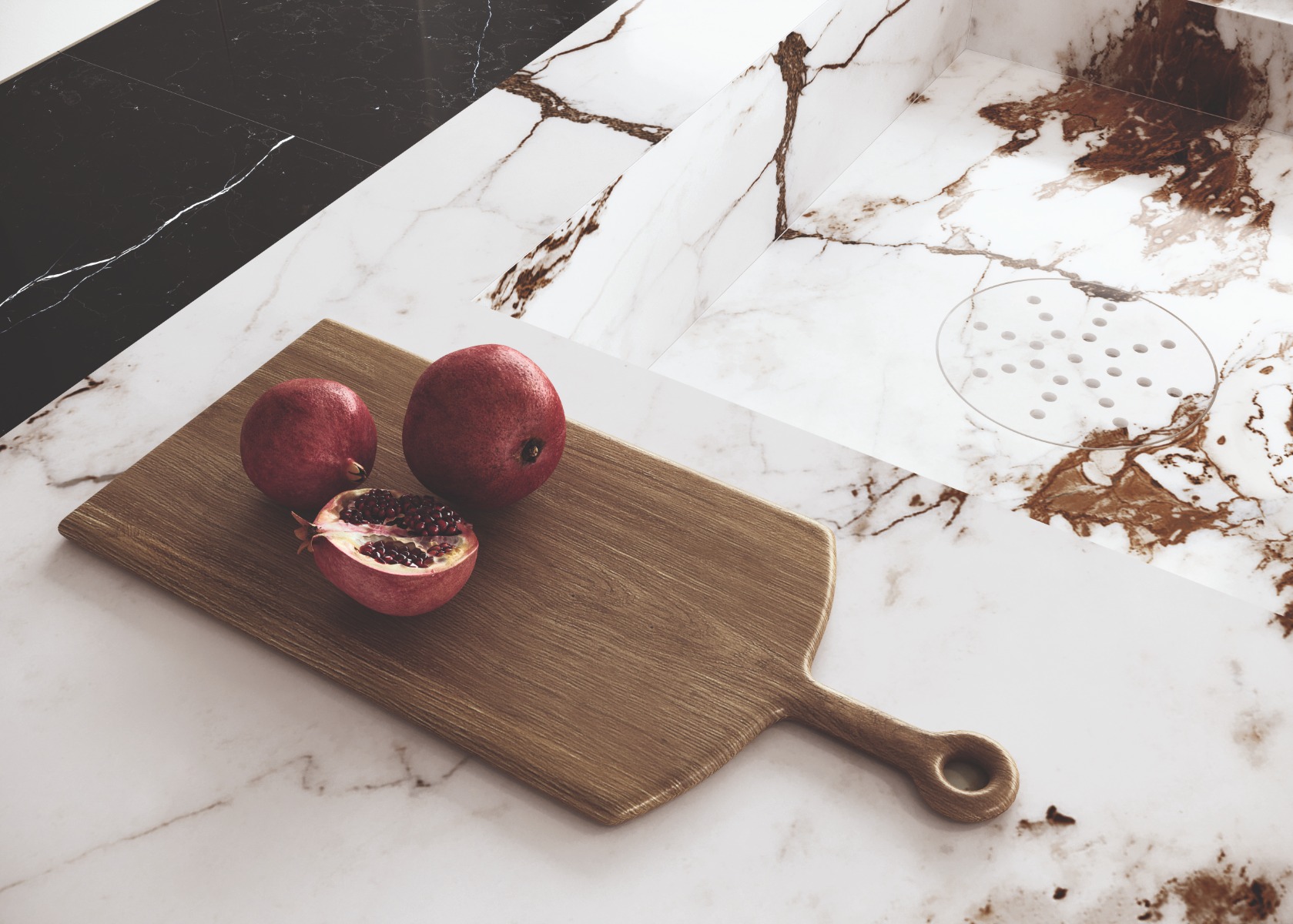
Using this special process, our porcelain surfaces can be made to look like the most exquisite marble, natural stone, industrial metal, and solid colours of varying shades.
Additionally, our large format porcelain slabs are so large (3200 x 1600mm), that you can design the space to maximise your raw materials. For example, one of our oversized slabs is large enough to create a standard-sized bench and hob section. Without the need for a second slab, or additional labour and fabrication costs, you’ll benefit from a more efficient pricing structure.
4) How Long do Porcelain Surfaces Last?
Large format porcelain is built to stand the test of time. That’s not empty marketing lingo, as we stand behind these words with a lifetime warranty. Porcelain stoneware is made from a mixture of natural materials pressed and subjected to a firing process at over 1200°C. The result is a surface that’s resistant to wear, and mechanical/thermal stress.
This holds true even when it comes in direct contact with cookware straight from a hot oven. Archant Porcelain does not contain resins that melt and is entirely safe and hygienic for food prep. The colour will not change over time, and the surface is scratch-free.
5) Is Porcelain Hard to Keep Clean?
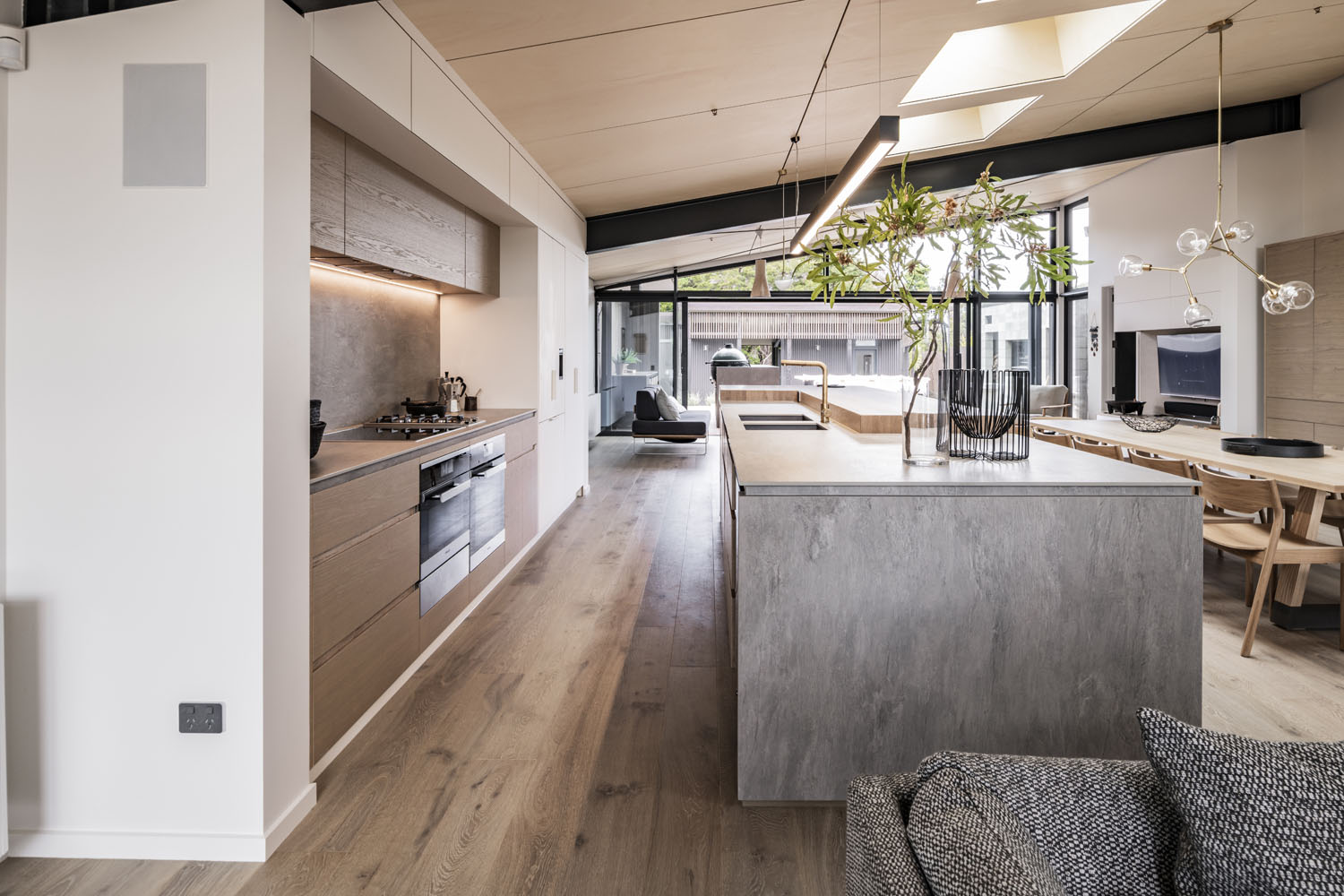
Porcelain is one of the easiest surfaces to keep looking new. The benefits start with the non-porous surface. What this means for the user, is there’s nowhere for bacteria or mildew to get trapped. With liquids held on the top of the surface, you won’t need any abrasive chemicals to clean it properly. All it takes is warm soapy water and a soft cloth.
You won’t have to scrub hard with a scratch pad, or even seal the surface every year. And while it’s best not to leave spills sitting for too long, porcelain won’t stain from wine and other beverages that wreak havoc on many alternative materials.
6) Where Can I Use Porcelain in My Design?
There’s no shortage of ways to use porcelain in both residential and commercial design. It’s best known for being a stylish benchtop and island solution, but that’s just the start of what is possible.
Here are just some of the possible applications of porcelain we’ve been involved with recently:
- Floors
- Splashbacks
- Wall coverings
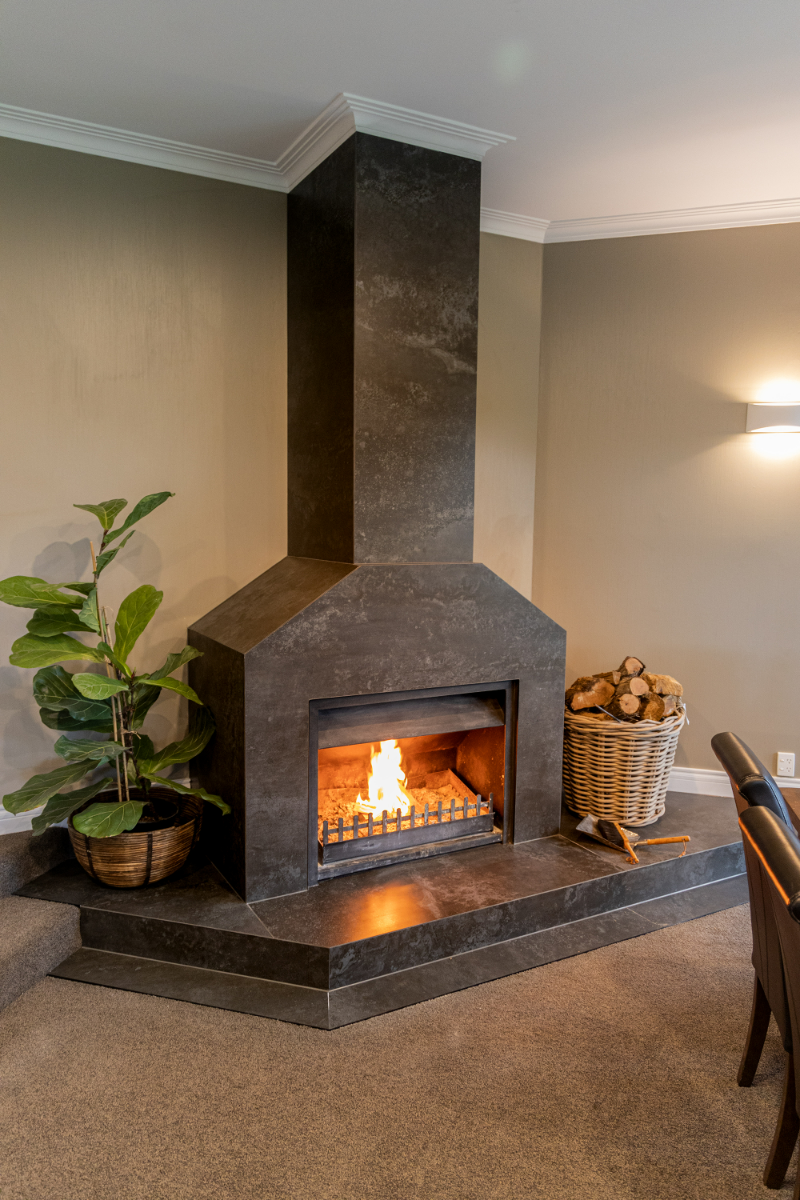
- Fireplace surrounds and hearth design
- Showers
- Bathroom vanities
- Dining room tables
- Staircases
- Benchtops
- Kitchen islands
Many designers have jumped on this flexible design potential to create a cohesive look throughout a space. The overall effect is smart and streamlined appearance while offering the durable benefits noted above. By creating a consistent aesthetic, the visual appeal is enhanced with a sense of sophistication.
7) Are There Any Disadvantages to Porcelain?
We know that every project has its own unique design needs. If you’re looking for a quick DIY solution, then porcelain is not an ideal way to go. The special nature of porcelain does require professional handling and expertise to install properly. For those who prefer a do-it-yourself option, investigate laminate or similar surfaces which offer a more straightforward installation process.
What These Answers Reveal About the Benefits of Porcelain
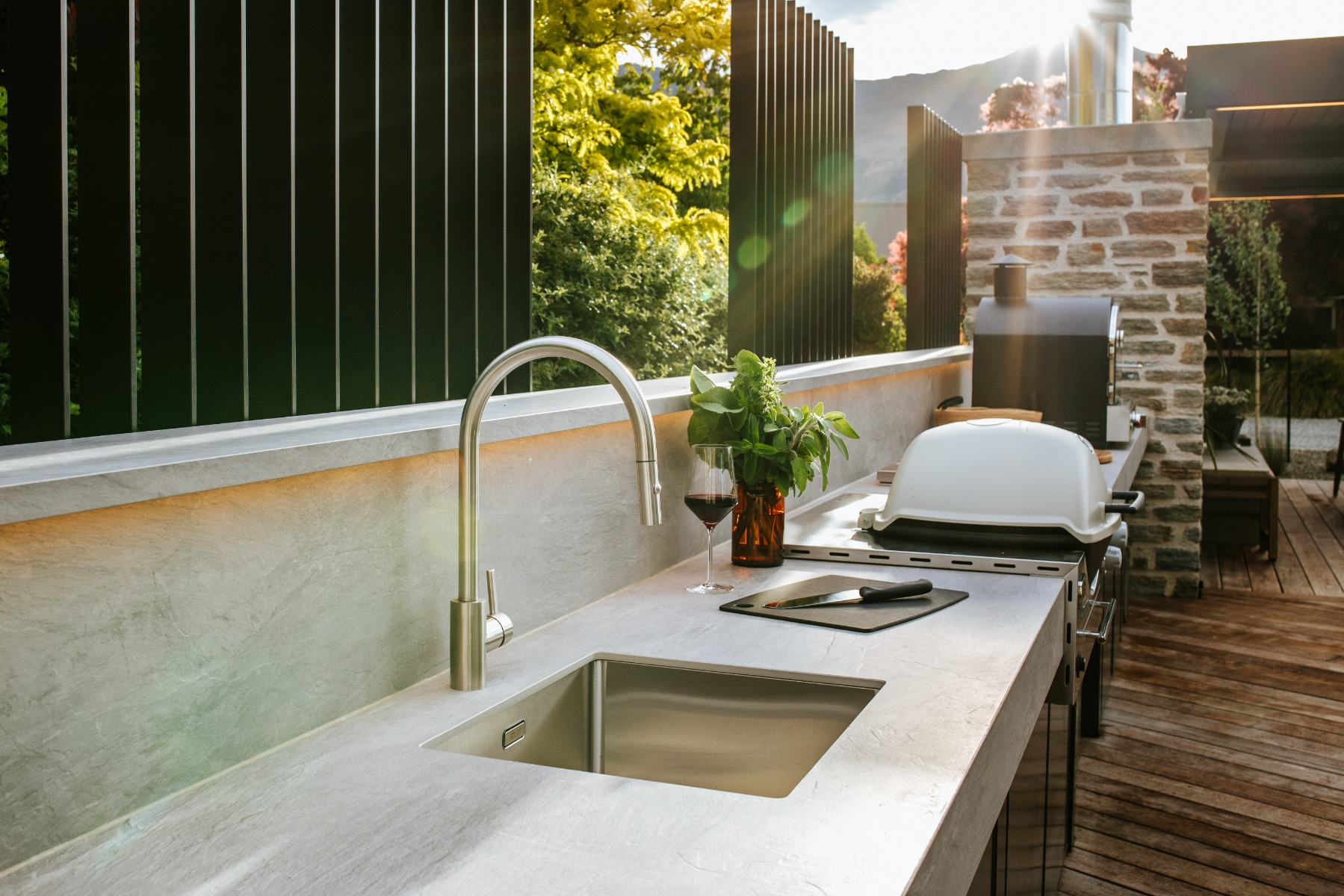
In reading the answers to these common questions, we hope you can see the real world benefits of this world-class surface material. The advantages are many, starting with durability, quick project turnaround, and cost-saving potential. Then there is the long-lasting build quality, ease of maintenance and versatile application potential.
In stepping back to look at the big picture, it’s clear to see why porcelain is making a big impact in the design industry here in New Zealand, and around the world.
Order Free Porcelain Samples for Your Next Project
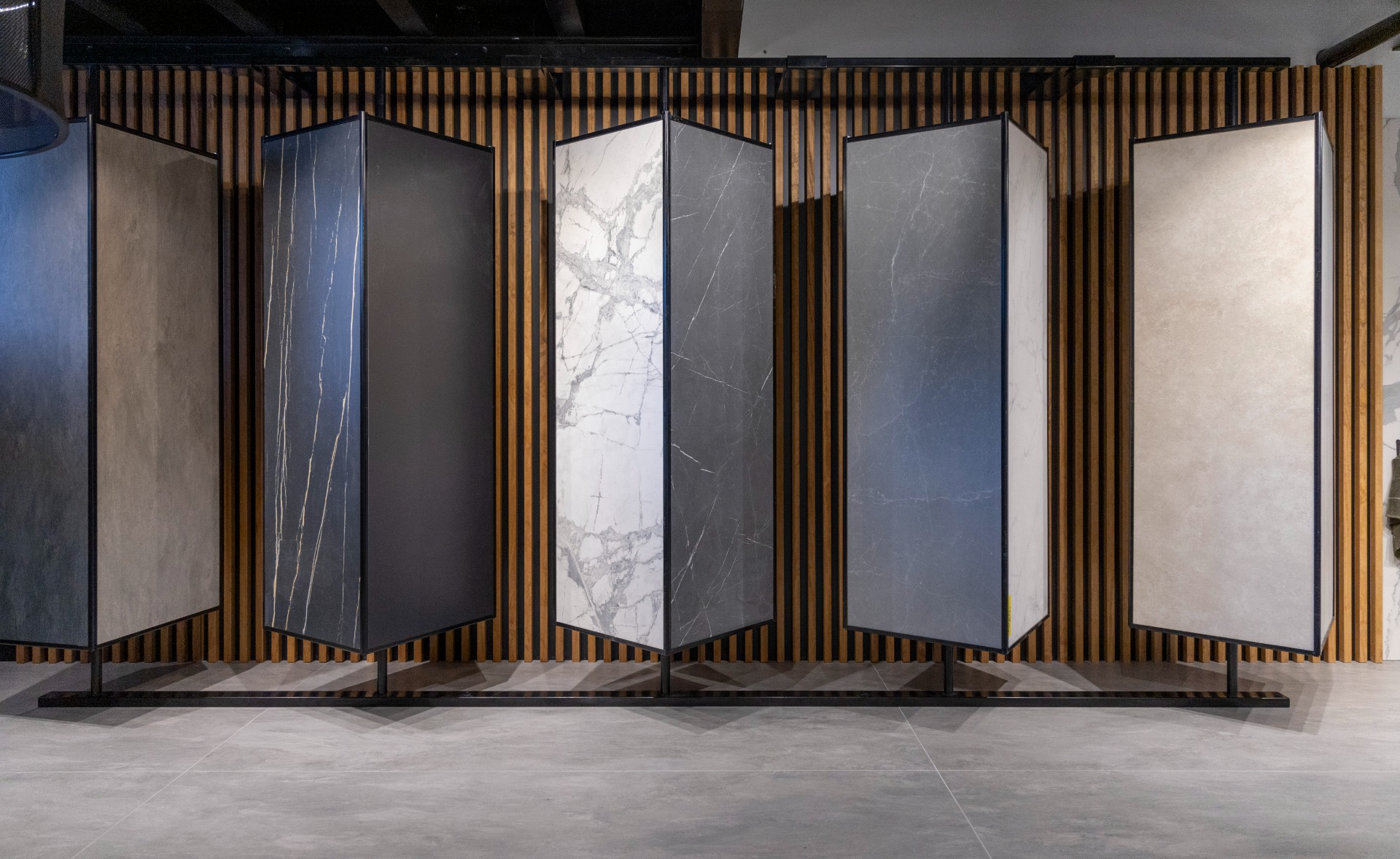
Our samples of porcelain are quite helpful to compare against existing colour palettes. Whether you’re interested in matching the interior or adding contrast, we have over 22 styles to choose from. Place your free order here.
Related Links
The Next Big Thing in Flooring – Large Format Porcelain
10 Reasons Why You Should Consider a Porcelain Vanity for Your Bathroom Redesign
What is Porcelain Bookmatching and How Can it Be Used to Refine Your Design?
5 Stunning Ways to Use Large Format Porcelain in Your Design
Confused About Tile? Three Popular Tiling Solutions to Move Your Design Forward
What We Learned from Researching Marble Vs Porcelain and Why it’s Important for You
Top 5 Design Features of Archant Porcelain (Review)
What’s the Difference Between Archant Porcelain vs Sintered Stone? A Detailed Comparison