
Which is the Best Benchtop: Concrete, Porcelain, or Quartz (Comparison)
Which is the Best Benchtop: Concrete, Porcelain, or Quartz (Comparison)
By now, you probably already know that there are many types of benchtop materials to choose from. The team at Archant thought it would be helpful to compare three of the more popular types on the market today.
As New Zealand’s premier educational space for interior design information, we’ve created a comprehensive library of concrete vs. porcelain benchtops vs. quartz surfaces. By the end we hope you’ll have a better understanding of what makes them desirable, and what could be considered problematic.
Below is a detailed comparison of concrete, porcelain, and quartz benchtops. We’re including the pros and cons of each.
Concrete Benchtop Advantages
- Long Lasting – Concrete counters are incredibly solid, and with proper care, they should last for many years. The hard surface is very good at resisting scratches and chips.
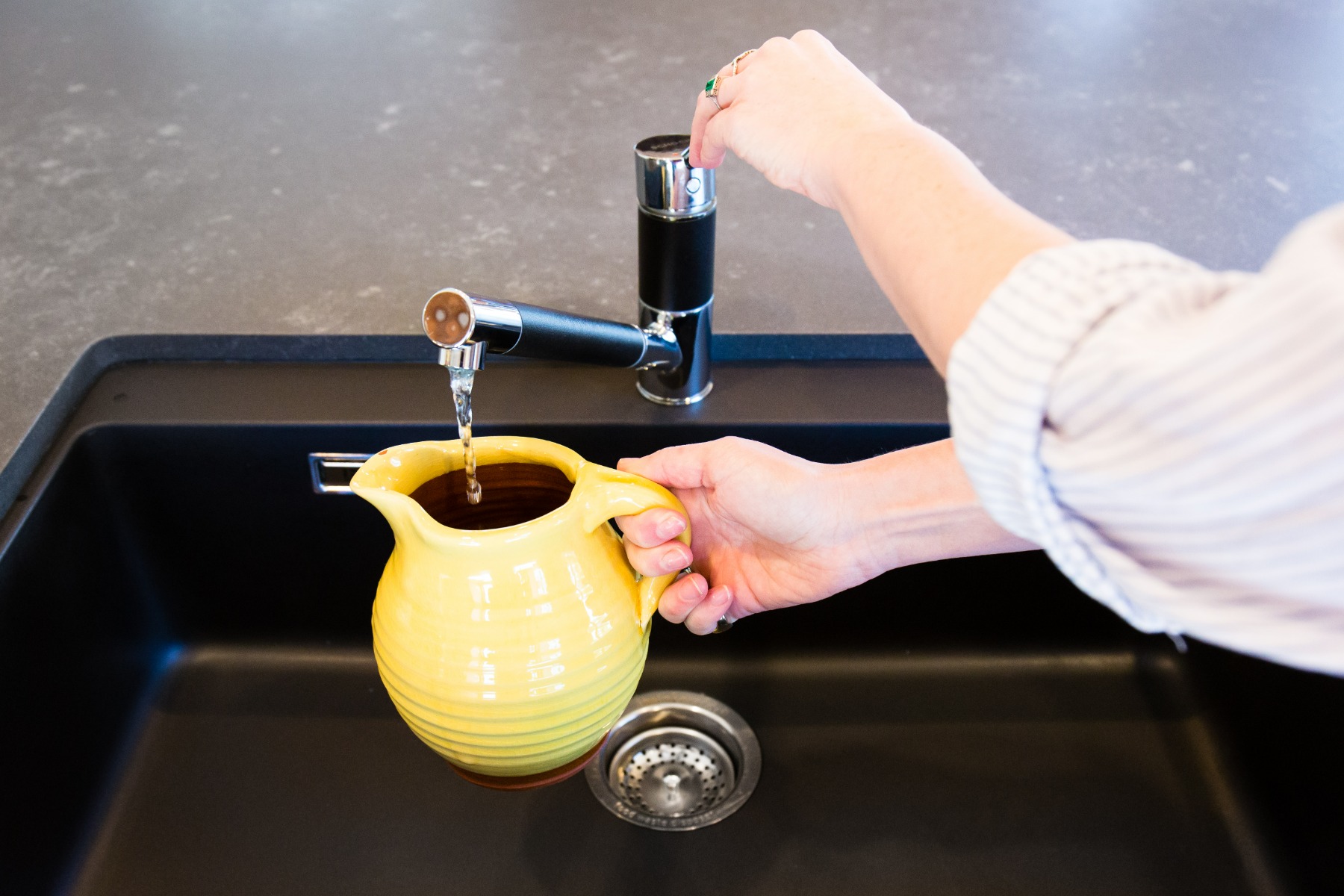
- Wide Variety of Colour and Styles – If you think concrete benches are just plain grey, you’d be mistaken. It’s possible to create a massive variety of colours, styles, and patterns with concrete. Stains and pigments can even be added to craft just about any colour imaginable.
- Resistant to Heat – Much like porcelain, concrete is exceptionally heat-resistant. You can take a hot pan from the stove and place it directly onto the concrete surface without fear of damaging your benchtop.
- Flexible Design Customization – Since concrete can be poured and moulded to fit nearly any shape, it can be used to create unique kitchen designs. It’s even possible to make concrete counters look like granite and other natural stone surfaces. Texture can also be added for a sophisticated finish.
Concrete Benchtop Disadvantages
- Heavy – With its substantial weight, concrete benchtops put great strain on existing cabinetry and even flooring. To keep these elements structurally sound, the installers will likely need to reinforce these areas. This of course adds to the overall cost of the project.
- Costly – If you’re looking for a budget friendly benchtop option, concrete should appear towards the bottom of your list. This surface is surprisingly costly even with more straightforward designs. The elevated cost is not due to the actual material, but the handcrafted nature of their fabrication.
- It Can Crack – Over time, you may find hairline cracks. These typically result from the natural shrinkage of the material as it dries out. With concrete, more serious breaks are sometimes caused by excessive stress on the surface.
- Requires frequent sealing and maintenance - While concrete surfaces can be long-lasting, they do require regular care to remain durable. Since concrete is porous, benchtops are very susceptible to stains. As such, it needs to be sealed once or twice each year. Without this sealant, even minor spills turn into stubborn stains.
Porcelain Benchtop Advantages
- Speed of Installation – At Archant, we stock a large selection of superior quality porcelain slabs in our Hawke’s Bay warehouse. Once your design plans are finalized, there’s no need to wait several months for materials to arrive. The benefit here is a quick turnaround from start to finish of your project.
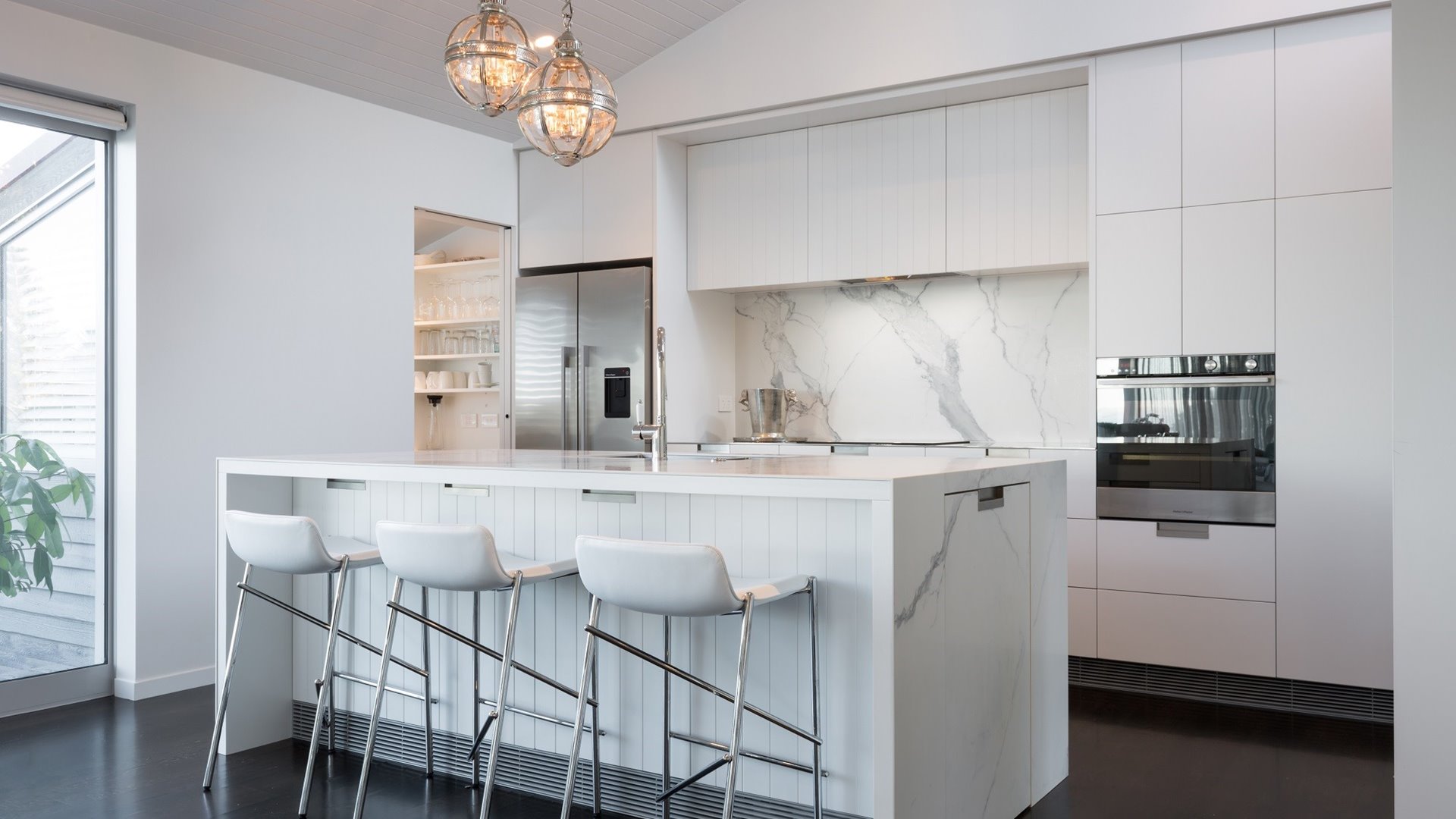
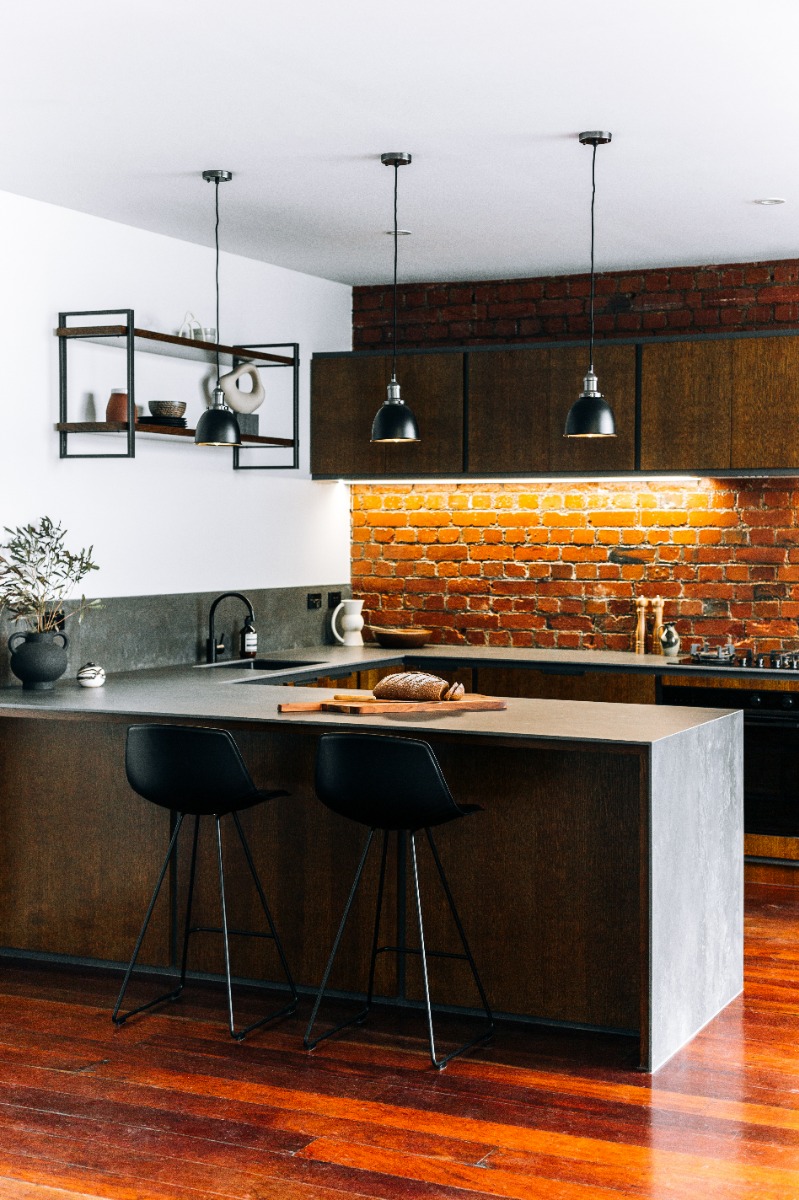
- Attractive Style - Since the patterns are ingrained right onto the porcelain surface, it’s possible to mimic the look of nearly any material. At Archant, we have five different collections: Marble, Colour, Cement, Stone, and Metal. You can choose from over 20 colours with a large variety of styles. Whether you’re looking for an understated design or a darker colour with a mottled appearance, there’s no shortage of options. Some of these are highly polished while others feature a more textured or matte finish.
- Durability - Porcelain benchtops are a worry-free surface. You can take a hot pot or pan from the oven and put it straight onto the stone. Food prep is straightforward as you can cut vegetables directly on the bench. It’s also non-porous and therefore quite stain resistant. Porcelain won’t yellow or change colour over time even when used outdoors.
- Resale Value - Should you eventually sell your home, the potential buyers will most certainly focus on the kitchen design. A beautiful porcelain counter can increase your return on investment (ROI) dramatically.
- Low Cost of Lifetime Ownership - Porcelain benchtops require very little maintenance. Warm soapy water is suitable for wiping them down. No special sealant or cleaning solutions are needed. Archant also includes a lifetime warranty with porcelain surfaces.

Porcelain Benchtop Disadvantages
- It Can Chip - Intense pressure and blunt force would likely break any benchtop, and porcelain is no different. It certainly is strong, but it’s not indestructible. For example, attempting to break apart a heavy bag of ice on the bench’s edge may cause damage.
- Professional Installation Required – Porcelain materials are a bit more complicated to work with due to their large size and substantial weight. Finding a company that is experienced in the unique characteristics of porcelain can save you a huge hassle. It may cost a bit more upfront, but with a benchtop, it’s best to have it done properly the first time. Archant’s fabricators and installers are highly trained in the latest safety protocol and guidelines. This includes tools that utilise water to suppress dust from becoming airborne, as well as proper masks and personal protection equipment.
Quartz Benchtop Advantages
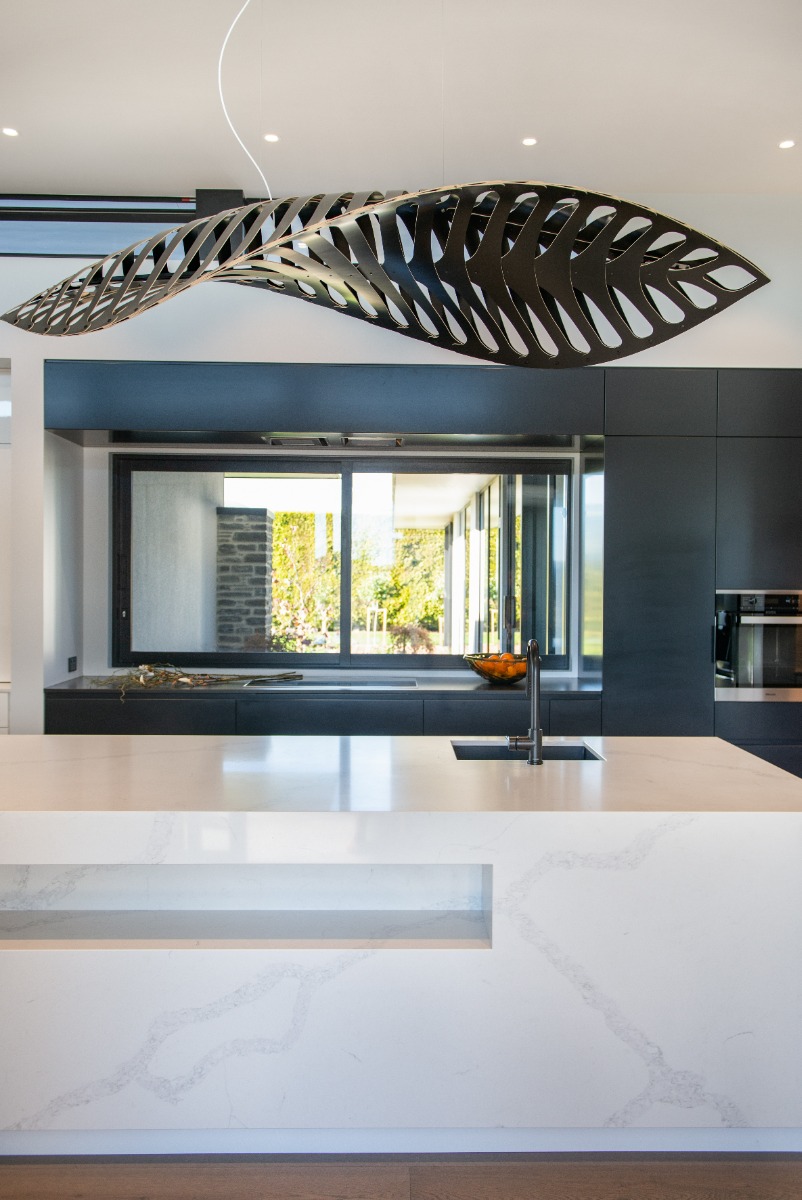
- Beautiful Appearance - For those who appreciate luxury and opulence, our quartz colours and shades were designed to make an immediate visual impression.
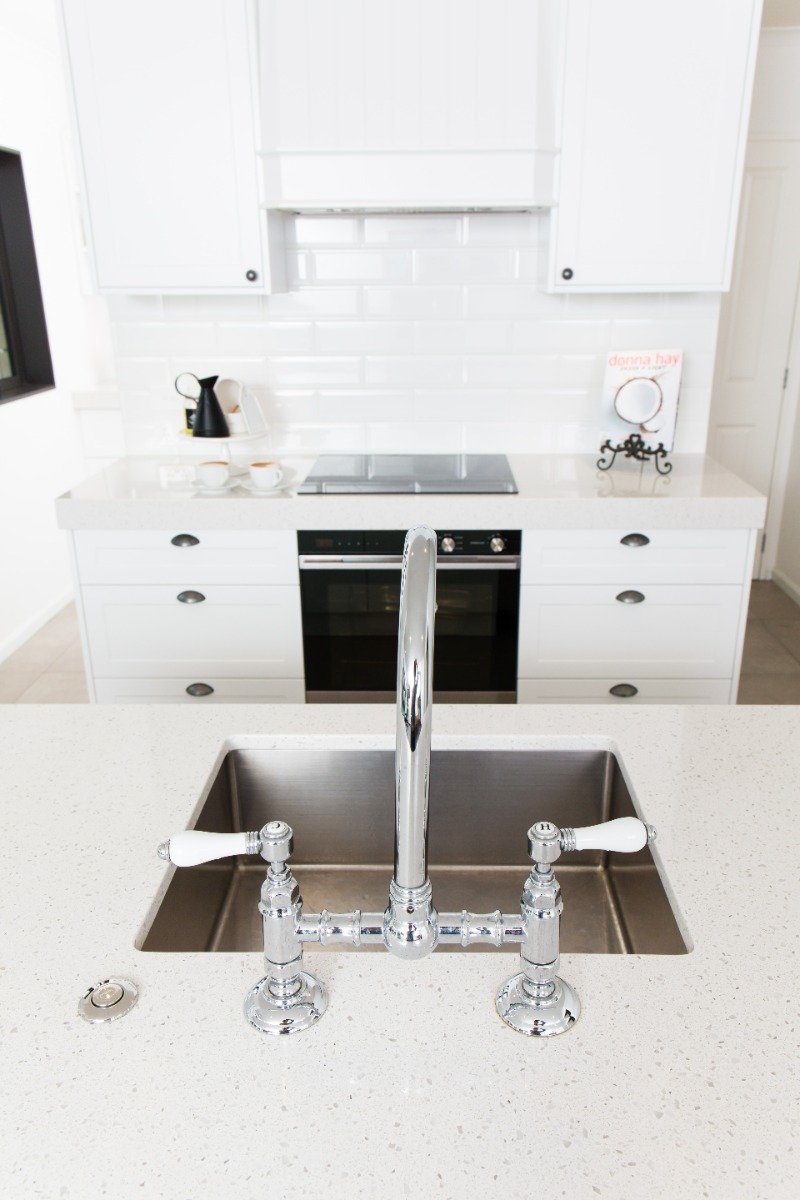
- Huge Variety of Styles – With quartz, you can choose from beautiful stone inspired designs, stunning whites, deep browns, concrete-like greys and shimmering blacks. Archant offers two finish options. The first is a polished finish with a reflective surface that displays the vibrancy of the colour and the character of the stone. The metropolis stone range is a matte finish option that has more depth, texture, and grooves on the surface.
- Reasonably Priced – Archant Quartz is available in slabs of 3050mm x 1400mm and a thickness of 20mm but some are also available in jumbo sizes of 3200mm x 1600mm, and thickness of 20mm or 30mm. If you design your bench and kitchen island around these large slab sizes, you can reduce the cost of raw materials and labour. Ideal for a variety of kitchen styles, those jumbo size slabs provide ultimate flexibility to suit a range of internal applications.
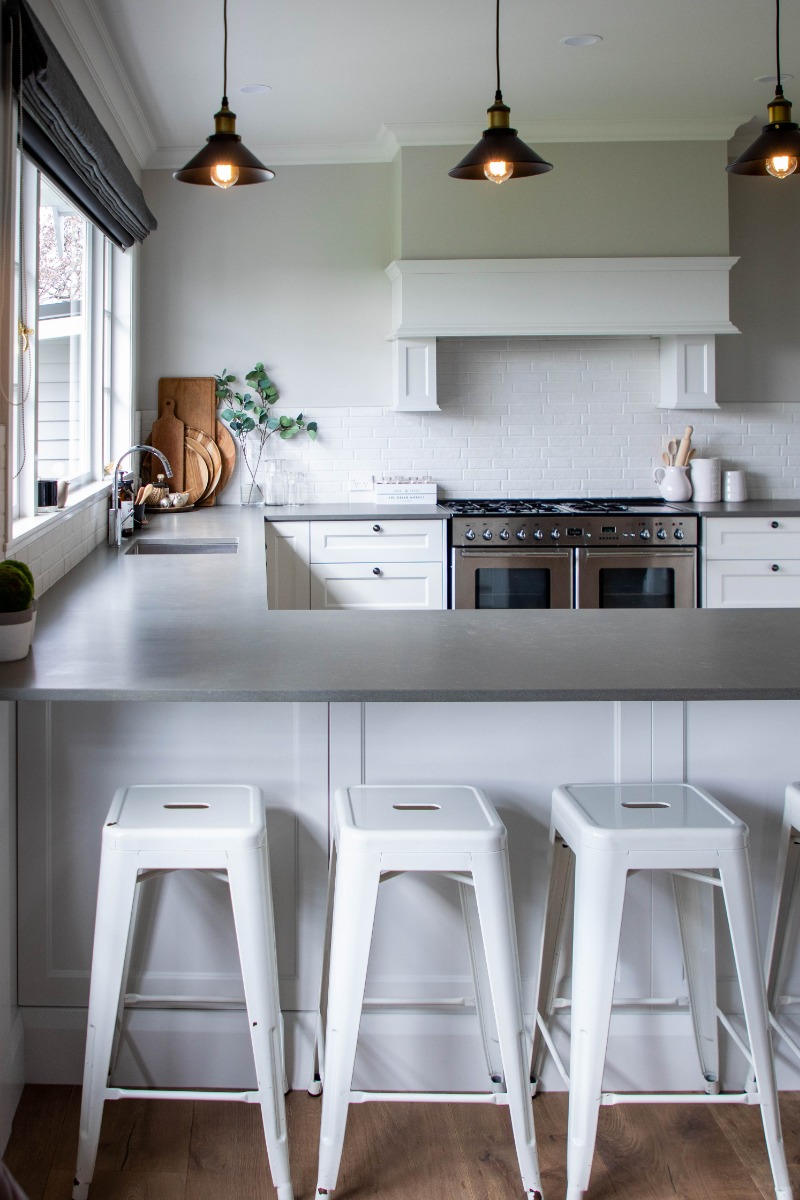
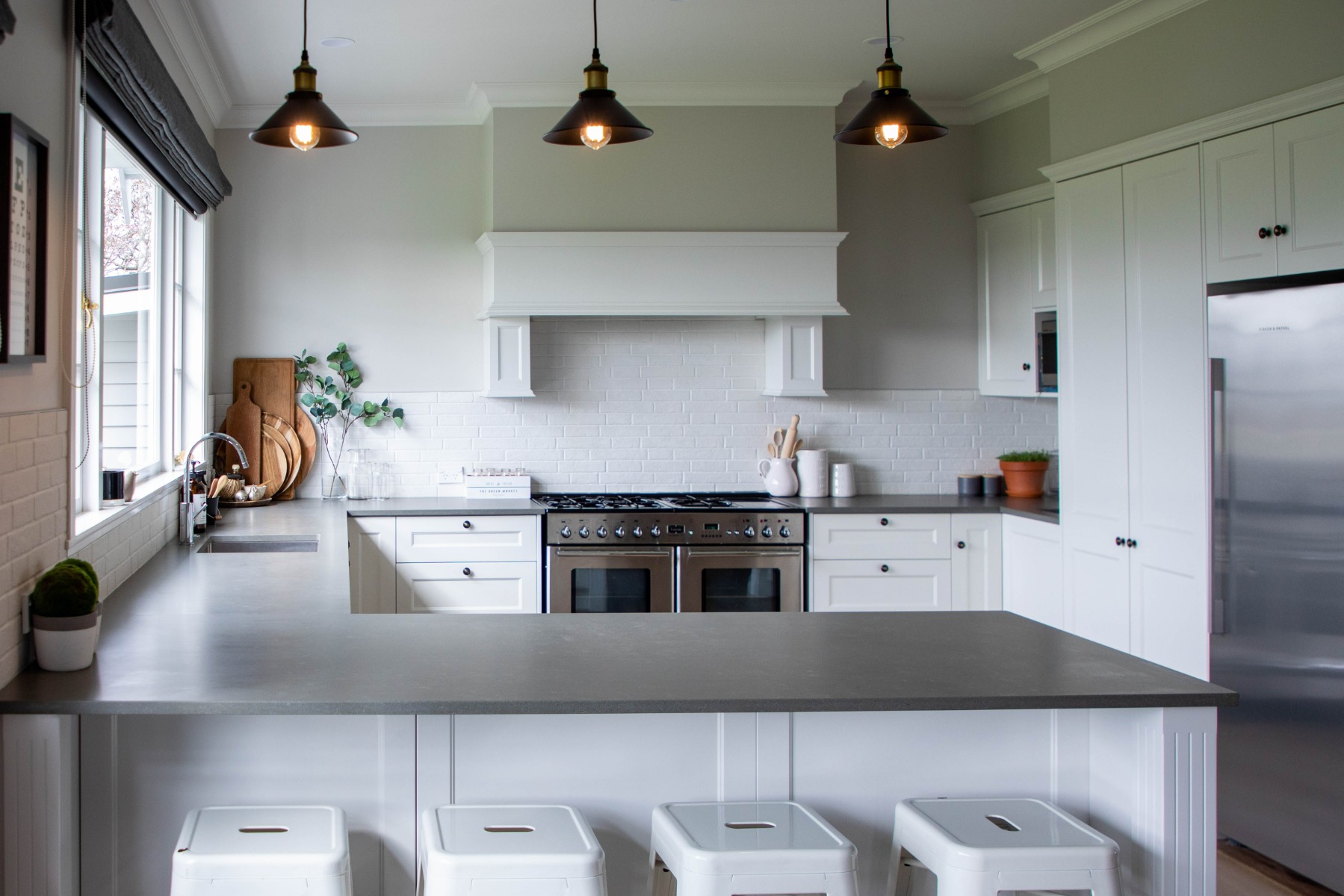
- Durability – Quartz is one of nature’s hardest materials. By combining the finest ground quartz with natural resins, you are left with a strong and durable slab. Quartz is a non-porous surface which makes it highly resistant to scratches and stains.
Quartz Benchtop Disadvantages
- It Can Burn - When you take a hot dish out of the microwave or oven and place it down, it can quickly melt the resins which lead to permanent damage. This can manifest as a cloudy type of appearance, or undesirable burn marks. Working with a trivet is therefore necessary.
- Discolouration from UV Rays - Quartz can get discoloured from strong UV rays. This is not common indoors, however, as the glass in most windows reduces the effects of the rays. If you are designing an outdoor space though, quartz is not ideal. For kitchens with an abundance of natural sunlight, consider a lighter colour such as white, beige, or grey.
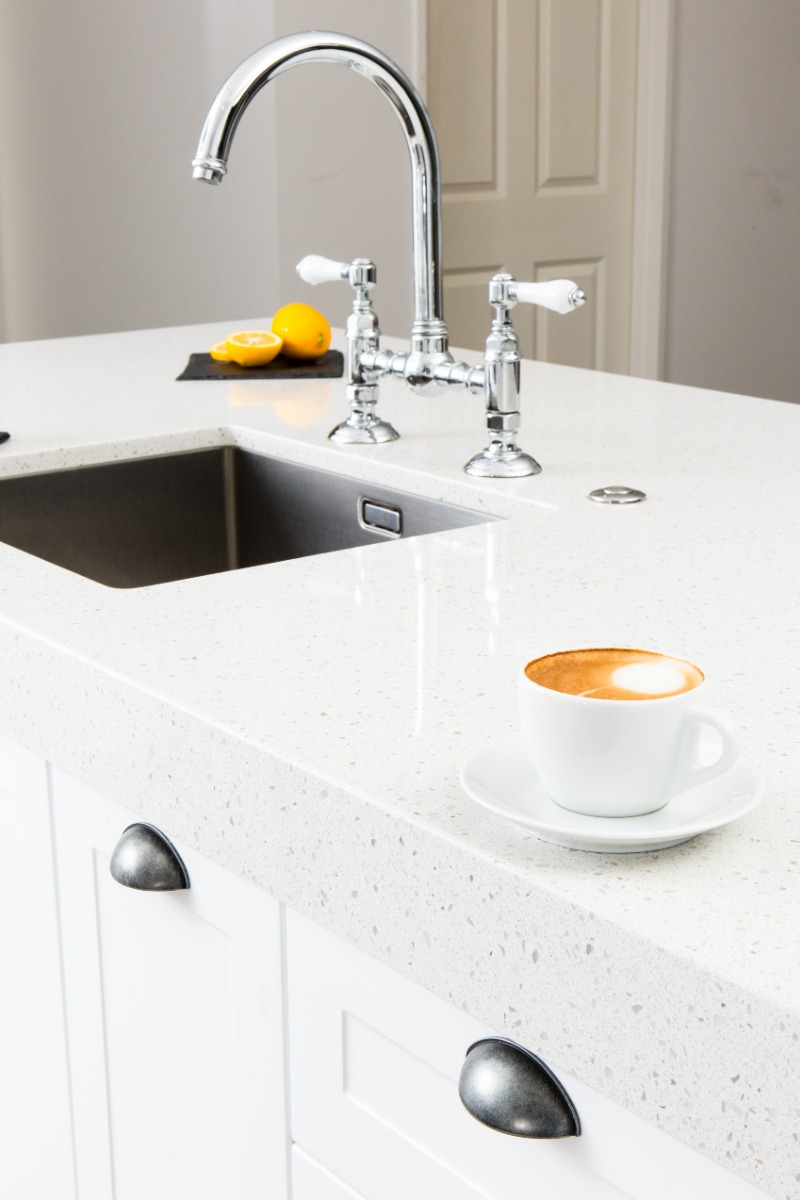
- Acidic Liquids Can be Problematic – Spills from beverages like coffee, red wine, and citrus need to be cleaned up asap. If these are left to dry, they can potentially stain or leave a sticky residue behind. Warm soapy water with a non-abrasive cloth or sponge will get the job done. We recommend avoiding harsh cleansers with degreasing solutions or bleach as they can negatively impact the beautiful lustre of quartz.
Quick Assessment
When it comes to which type of benchtop might be a good fit for you, here's a summary to recap what we've detailed above.
Concrete benchtops are potentially a good fit for those who:
- Have a large project budget
- Need a custom shape
- Don't mind spending time and money maintaining the surface
- Can reinforce their cabinets and flooring to support the heavy weight
- Want a heat resistant surface
Porcelain benchtops are potentially a good fit for those who:
- Want low maintenance
- Would like to increase home value
- Are interested in unparalleled durability and heat resistance
- Desire a wide array of style options
- Want an expedited turnaround for project completion
- Appreciate the peace of mind from lifetime warranty
Quartz benchtops are potentially a good fit for those who:
- Desire a luxurious appearance
- Don’t need a heat resistant surface
- Are installing it indoors
- Don’t mind cleaning up acidic spills quickly
- Want a quick and straightforward installation
Next Steps
Come and see us in any of our New Zealand showrooms to discuss your upcoming project. We have a dedicated team of trusted experts to assist. You can book in a time to speak with a specialist at your convenience as well.
Related Links
When Will My Benchtop Be Installed? A Breakdown of the Process
A Guide to Porcelain Benchtop Costs
7 Key Differences Between Porcelain and Corian Benchtops (Review and Comparison)
The Ultimate Cost Guide to Caesarstone Benchtops (Pricing)
Porcelain vs Dekton: Which is the Best Benchtop?
Porcelain vs Quartz: A Pricing Comparison
Top 10 Pros and Cons of Quartz Metropolis Benchtops (Review)