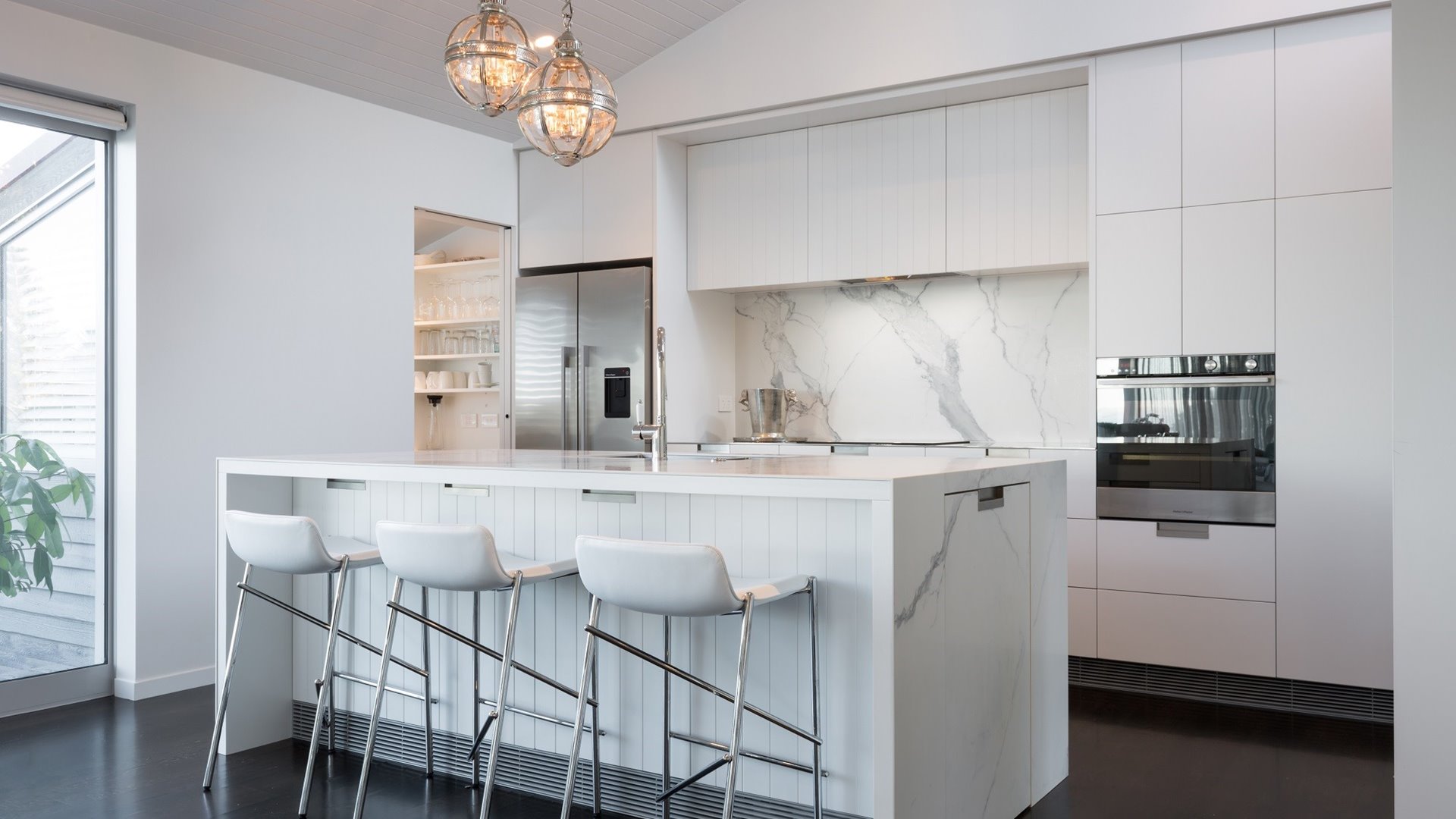

What You Don’t Know About the Durability of Porcelain
What You Don’t Know About the Durability of Porcelain
The landscape of residential and commercial design is always evolving. Things move rather quickly in this industry as technology continues to advance, and trends come and go. Porcelain, for example, has been around for centuries, but this too has changed dramatically in recent years.
At Archant, we love to educate clients in New Zealand on the latest developments in design. Many of those we speak with are pleasantly surprised at the high level of durability our large format porcelain provides.
Yet for some of you, the idea of porcelain conjures images of fragile stoneware that’s easy to chip and crack. As you’ll read here, we’ve come a long way from that point. Porcelain is now one of the leading choices for design professionals regardless of the scale.
So, exactly how strong is porcelain? More importantly, can it withstand day-to-day use in a busy home or highly trafficked commercial space? Thousands of our customers right here in New Zealand will attest to the durability of porcelain.
From kitchens to bathrooms and everywhere in between, it is certainly up to the challenge. Let’s look at what makes this decorative surface such a long-lasting solution.

What Makes Porcelain So Durable?
Architects and other design professionals have long sought reliable solutions that will stand the test of time while offering unparalleled creative potential. To be practical for everyday use, the selected materials must be scratch and stain-resistant, easy to clean, and durable over time.
It’s these qualities that make porcelain so widely used in projects around New Zealand. Both strong and flexible, Archant porcelain is anything but fragile.
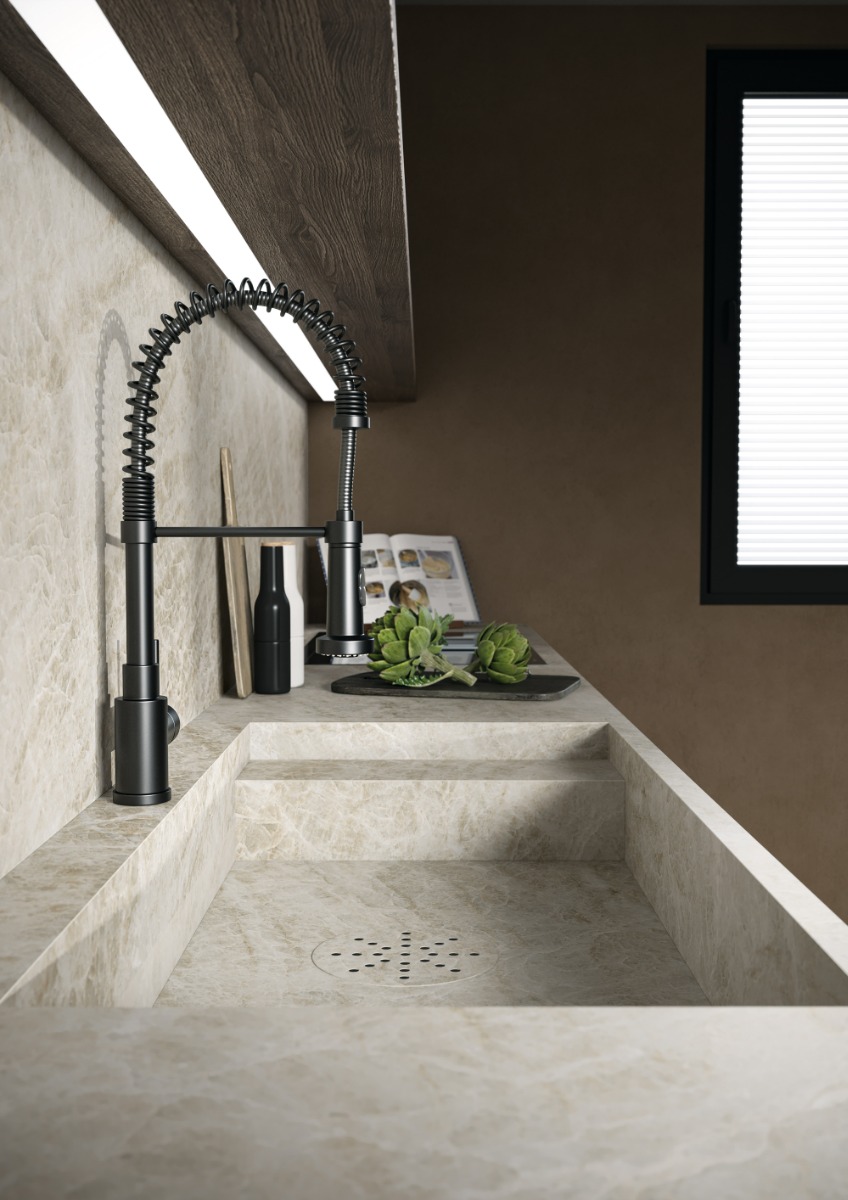
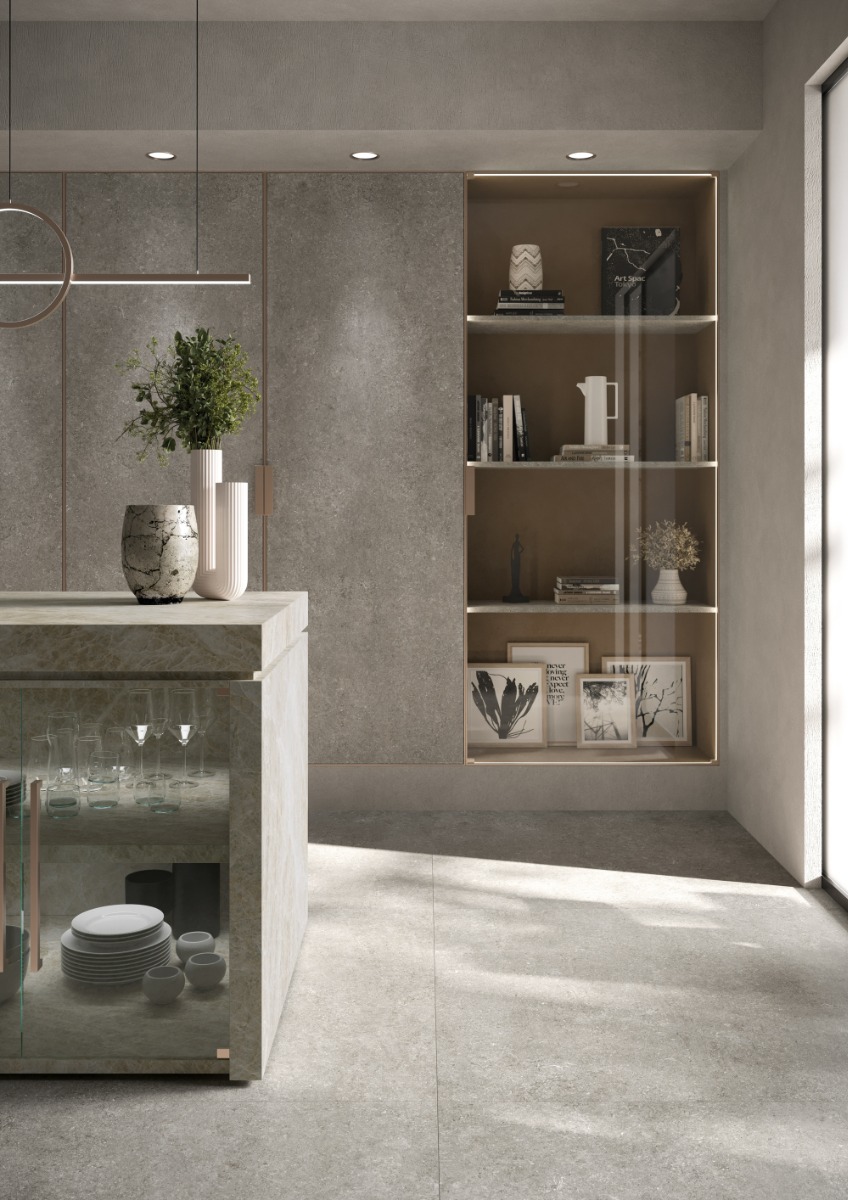
Thanks to state-of-the-art production processes in recent years, porcelain stoneware is now one of the most rugged surfaces available. Our large format porcelain slabs combine the highest quality materials with the best technical characteristics.
This yields incredible durability with complete resistance to stains, scratches, and high temperatures. It also boasts water-repellent characteristics and resistance to UV rays.
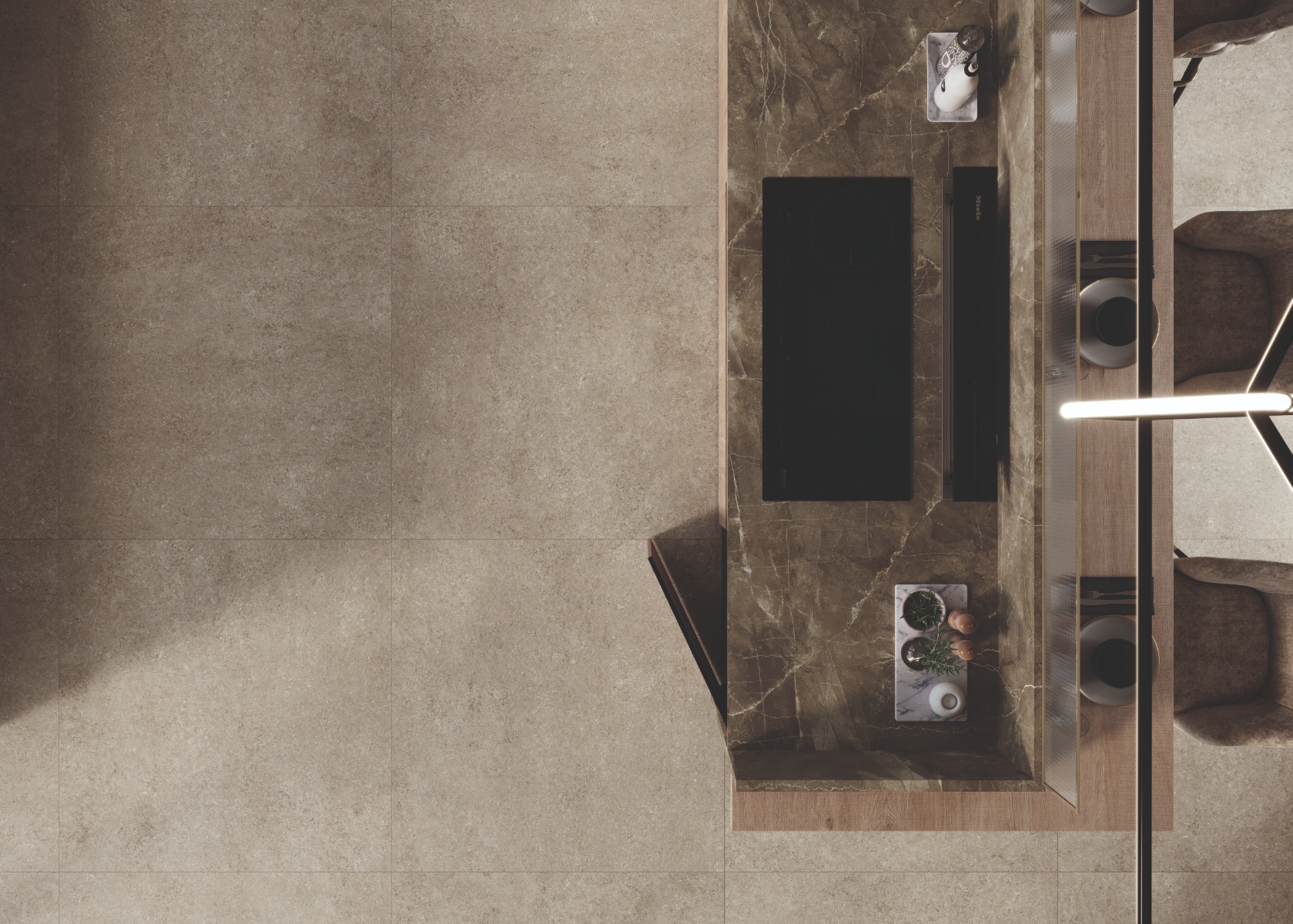
Strength of Porcelain Reviewed – Top 5 Benefits
Unlike alternative surface materials, porcelain offers incredible peace of mind. Here is an overview of the top five benefits our clients have come to rely on.
- Water repellent quality makes for an ideal solution in bathrooms and kitchens.
- Resists UV rays and won’t fade or discolour in direct sunlight.
- Resistance to abrupt changes in temperature. Hot cookware won’t burn the surface.
- Nearly impossible to scratch and stain.
- Easy to clean and maintain with a non-porous hygienic quality.
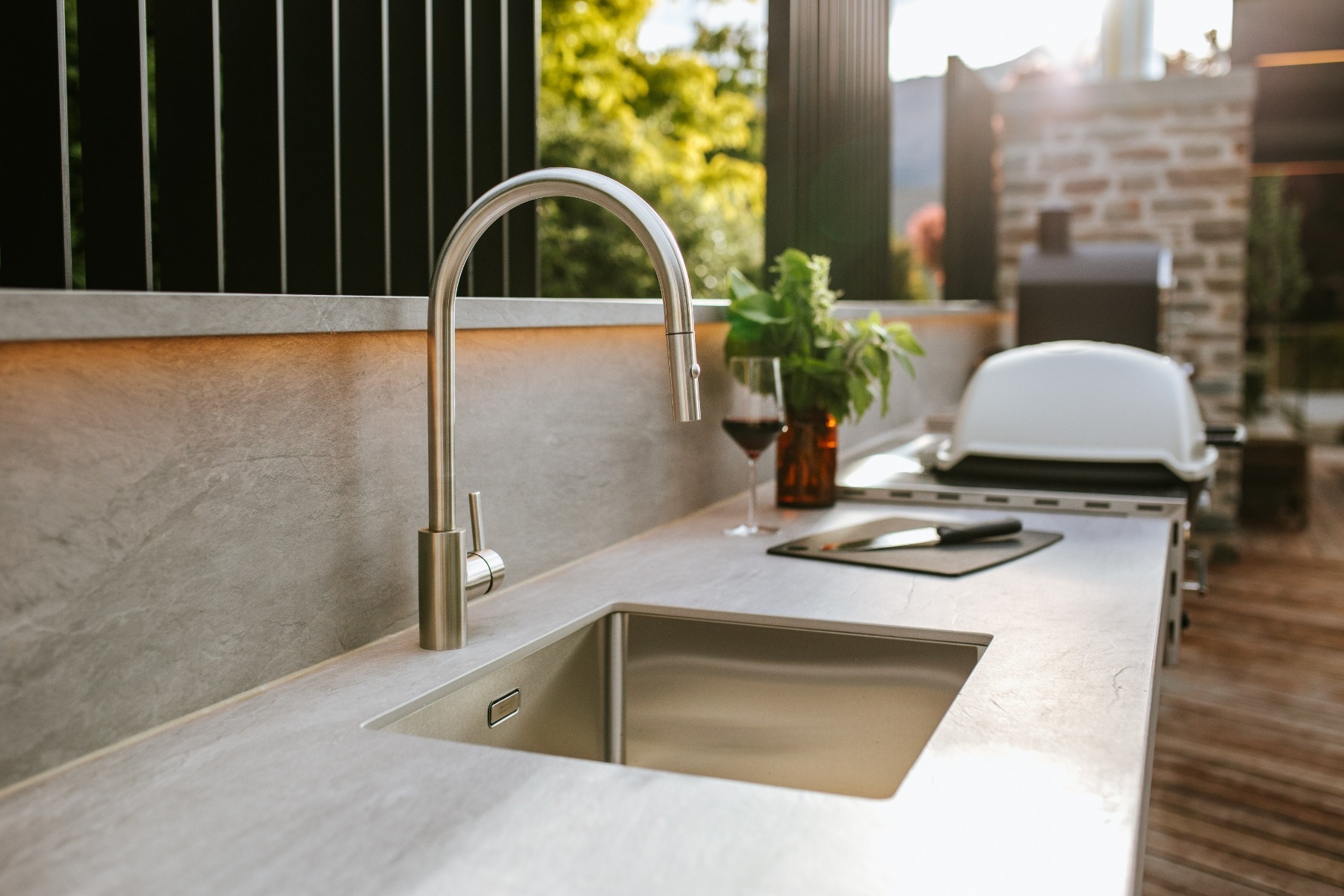
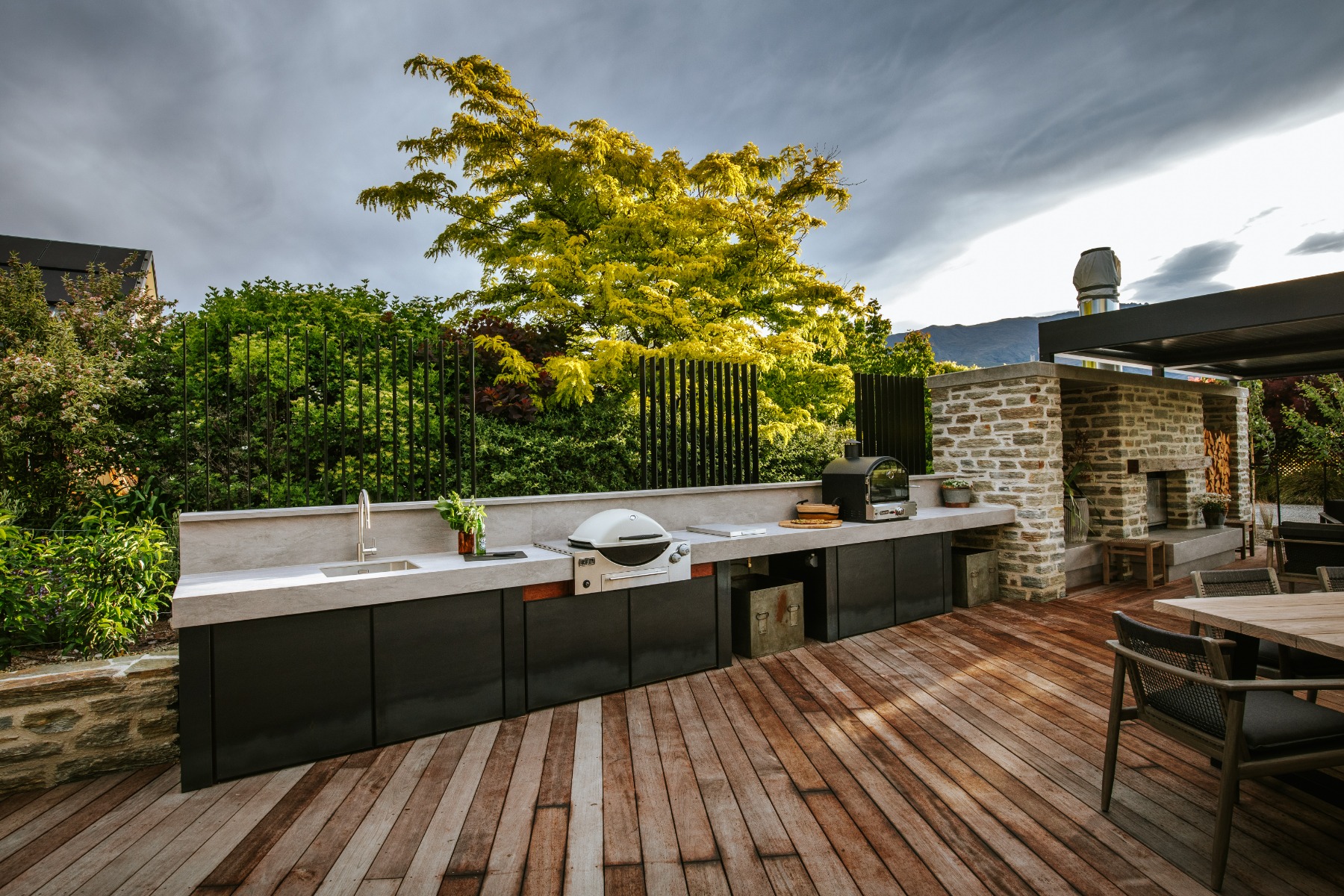
Large Format Porcelain in 6mm Thickness is Strong but Flexible
Archant’s large format porcelain slabs come in three different thicknesses, 6mm, 12mm, and 20mm. The 6mm thickness is one of the strongest varieties, as it’s not only solid but somewhat flexible.
These sizable sheets measure 3200 x 1600mm, allowing innovative use for flooring, wall covering, and facades. The 6mm slabs can even cover an interior or exterior for a truly spectacular effect.
While this dramatic type of application may have been unthinkable in past decades, the significant advances in porcelain stoneware have now made it suitable for widespread use.
What Not to Do with Your Porcelain Surface
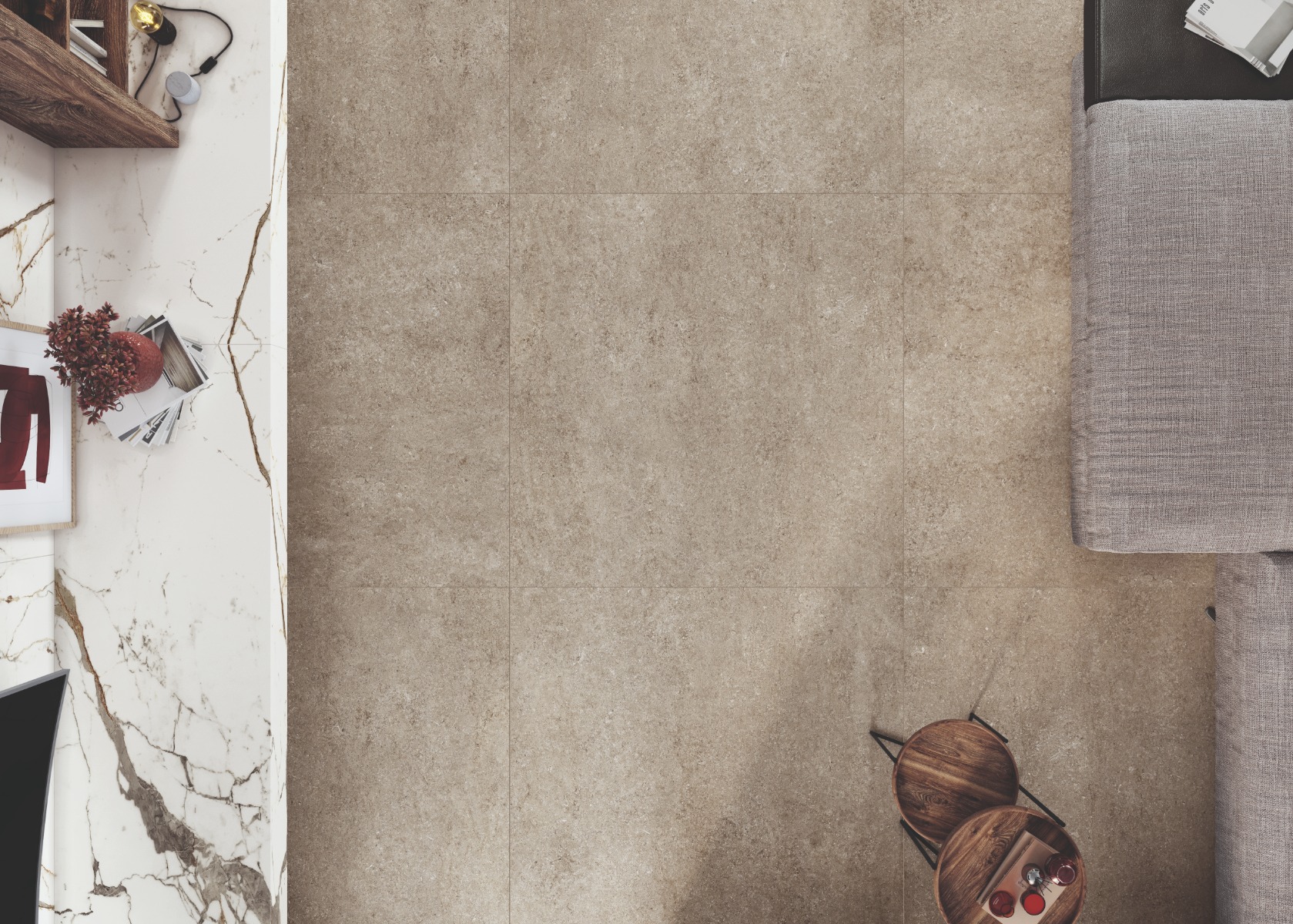
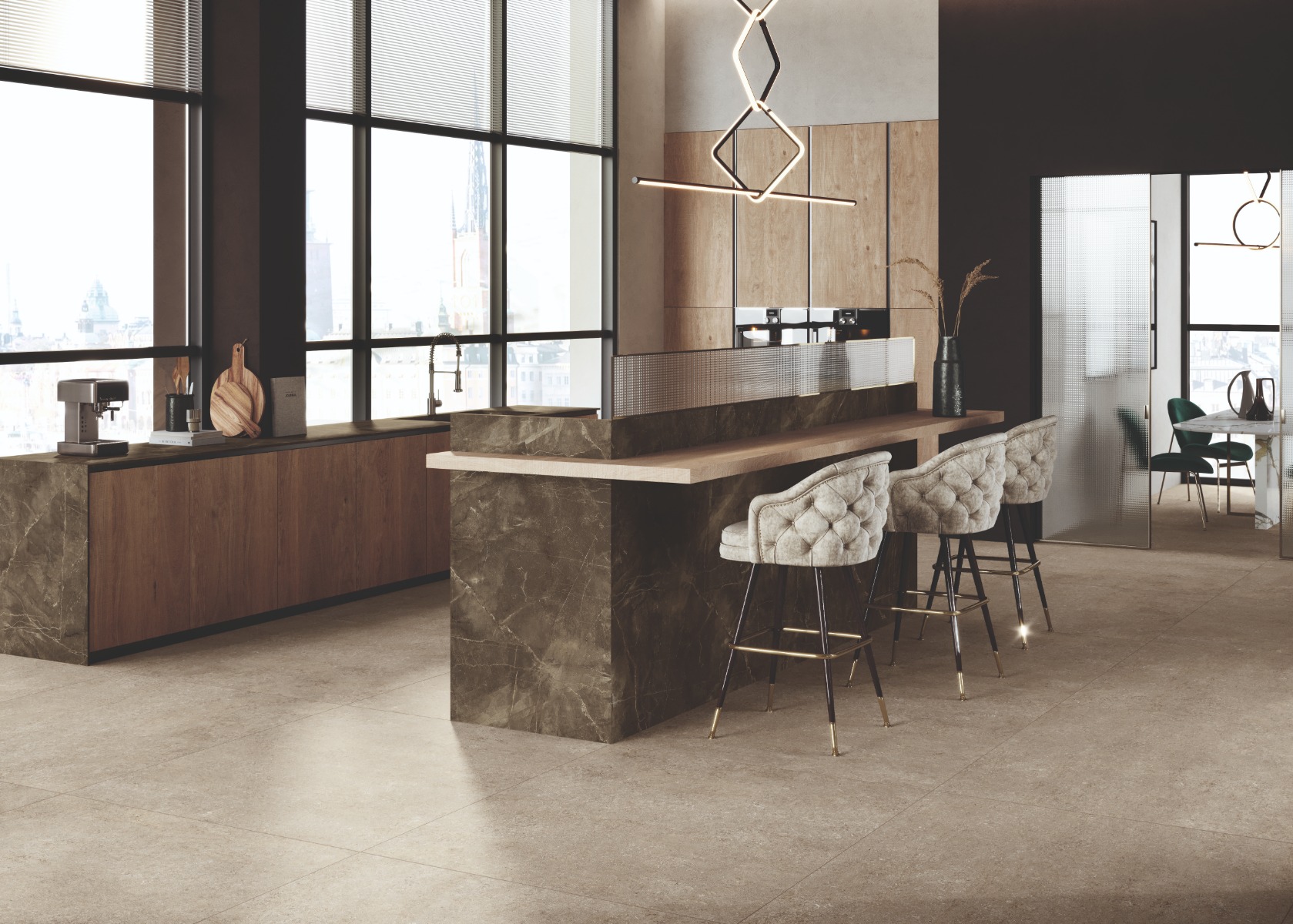
Porcelain is certainly strong, but no decorative surface is indestructible. The list of things to avoid isn’t long, but they’re helpful to note. Here are five things that can damage a porcelain surface.
- Working with ceramic knives directly on the surface - These blades are much harder than stainless steel models and can leave indents on a porcelain bench. It’s best to use a chopping block with these knives.
- Heavy impact and blunt force – Be mindful of this, especially near the edges of an island which are more vulnerable to damage from heavy force.
- Standing on it – A benchtop is not meant to support the weight of an adult. The uneven distribution of pressure has the potential to crack a porcelain counter.
- Cleaning products with scratching agents – Our decorative porcelain surfaces have a variety of finishes including high gloss, and a less reflective matt quality. Using harsh cleaning products that contain scratching elements can remove this finish.
- Abrasive scouring pads – Scratchpads and steel wool are abrasive enough to remove the beautiful lustre of porcelain. We recommend using a soft sponge or cloth instead.
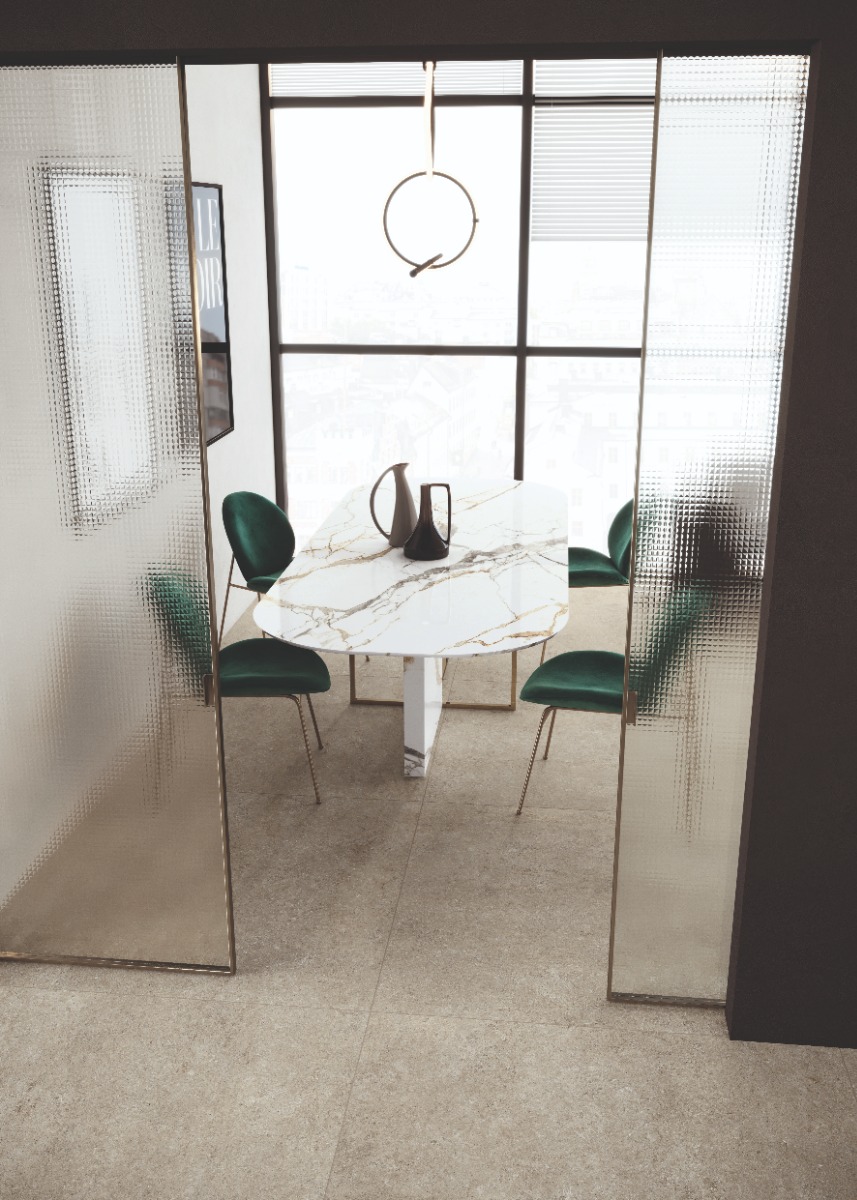
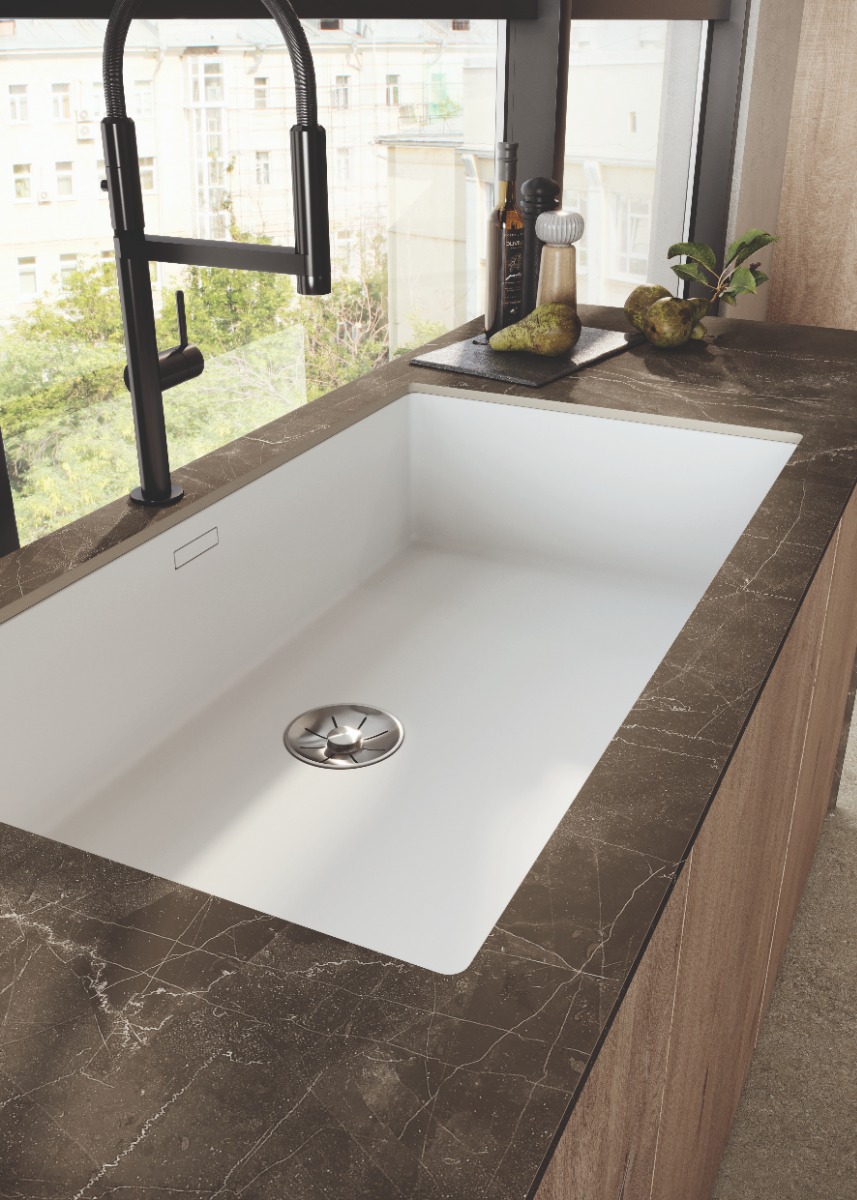
Exceptional Spaces Call for Extraordinary Solutions
Large format porcelain is transforming residential homes and commercial buildings around the world. With the capacity to be used in nearly any space, and durability that surpasses most alternatives, it needs to be a leading consideration for your next project. Whether you’re using it indoors or outside, it’s flexible enough to meet the task.
With resistance to stains, scratches, heat, and water, it’s virtually worry-free. Coupled with the design aesthetics of porcelain, and the cost savings over natural stone, it’s hard to argue with the strength of this opulent solution.
Download Our Free Large Format Porcelain Catalogue
We know there’s a lot to consider when deciding on the best material for your project. Our free catalogue is available online and will give you a good look at the different styles and finishes we offer.
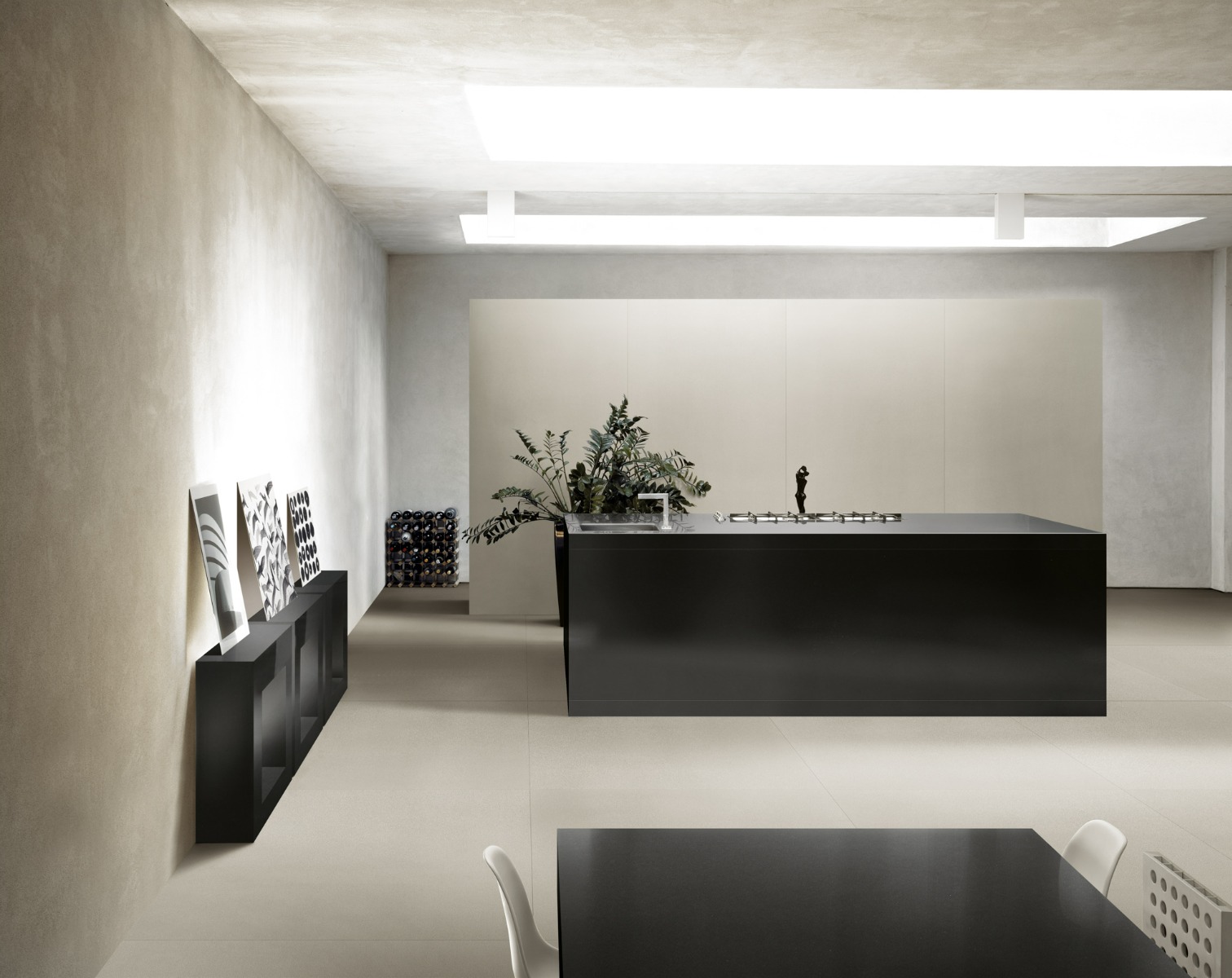
This downloadable resource features images that show how large format porcelain is being used around New Zealand. Get your free copy here.
Related Links
The Next Big Thing in Flooring – Large Format Porcelain
10 Reasons Why You Should Consider a Porcelain Vanity for Your Bathroom Redesign
What is Porcelain Bookmatching and How Can it Be Used to Refine Your Design?
5 Stunning Ways to Use Large Format Porcelain in Your Design
Confused About Tile? Three Popular Tiling Solutions to Move Your Design Forward
What We Learned from Researching Marble Vs Porcelain and Why it’s Important for You
What’s the Difference Between Archant Porcelain vs Sintered Stone? A Detailed Comparison
4 Stunning Ways to Use Porcelain in Your Next Home Remodel
How Much Should You Be Spending on a Bathroom Vanity? (Pricing Comparison)
7 Answers to the Most Frequently Asked Questions About Porcelain