

The Pros and Cons of Composite Sinks: Choosing the Perfect Sink for Your Modern Kitchen
The Pros and Cons of Composite Sinks: Choosing the Perfect Sink for Your Modern Kitchen
At Archant, we understand that selecting the ideal kitchen sink is a significant decision during a home renovation. With thousands of sinks sold each year, we take pride in assisting homeowners in finding the perfect addition to their modern kitchens. Today, we aim to help you navigate the ongoing debate between stainless steel and composite sinks. If you're in the midst of a kitchen redesign and feeling uncertain about the best choice, this article is designed to provide the insights you need.
Composite sinks have gained popularity over the years for their stylish and contemporary appearance, but are they the right fit for your kitchen? Let's delve into the pros and cons to empower you to make an informed decision.
Pros of Composite Sinks
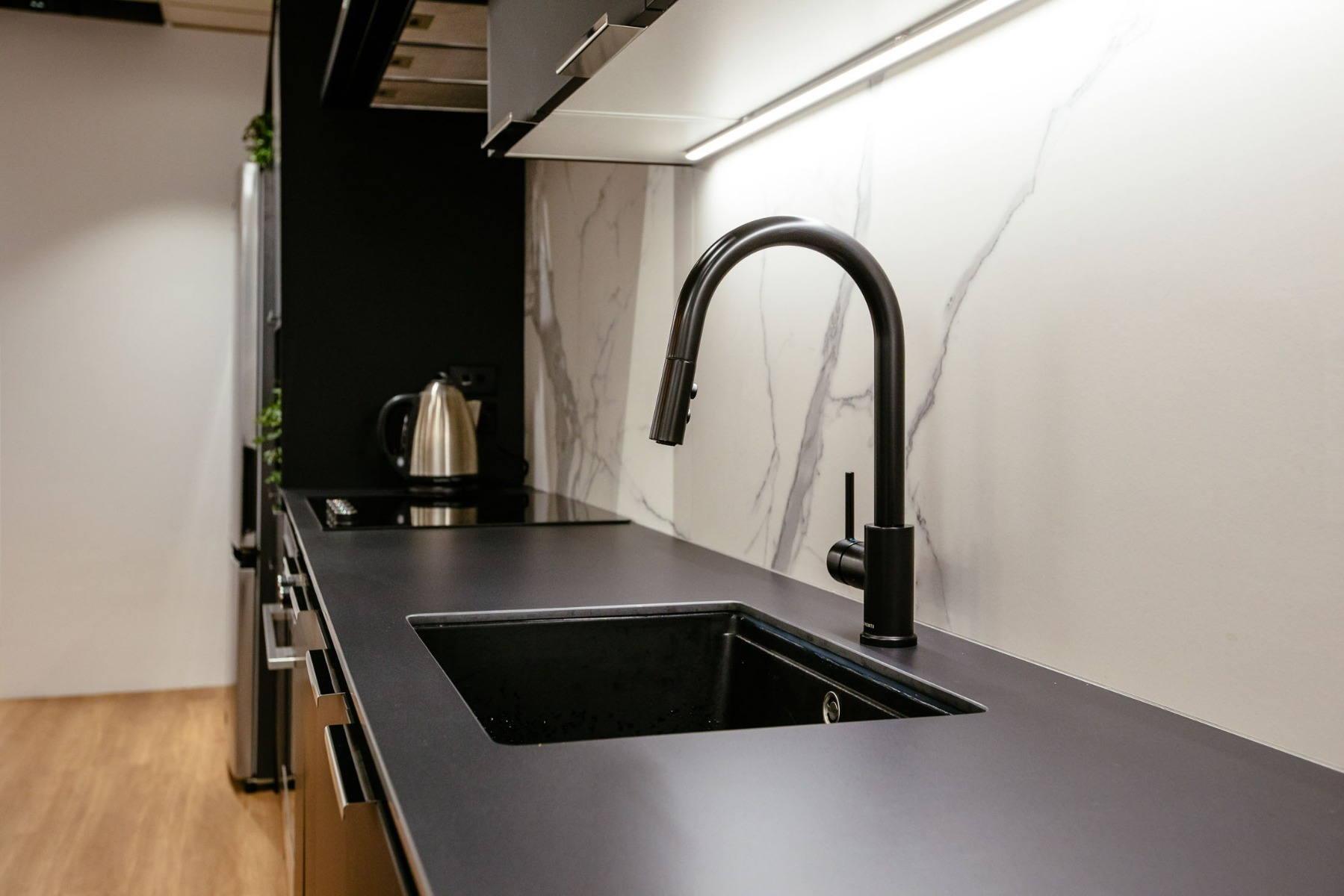
- Aesthetically Pleasing: Composite sinks are a top choice for many homeowners due to their striking visual appeal. They are available in a wide range of colours and finishes, making it easier to match them with your kitchen's design theme. This versatility allows them to seamlessly integrate into modern kitchen layouts, providing a sleek and cohesive look.
- Durability: Constructed from a blend of materials such as quartz, granite, and resin, composite sinks are exceptionally sturdy. They resist scratches, chipping, and staining, ensuring that your sink retains its elegant appearance for years to come.
- Noise Reduction: If you're tired of the clanging and echoing often associated with stainless steel sinks, composite sinks offer a quieter alternative. The composite material dampens sound, creating a more tranquil environment in your kitchen.
- Easy Maintenance: Composite sinks are low-maintenance. They don't require special cleaning agents and are easy to wipe clean. This convenience is especially appreciated in busy households. For detailed maintenance tips, check out our informative video here.
Cons of Composite Sinks
- Cost: It's worth noting that composite sinks tend to be pricier than stainless steel options. However, many homeowners find that the long-term durability and aesthetics justify the initial investment.
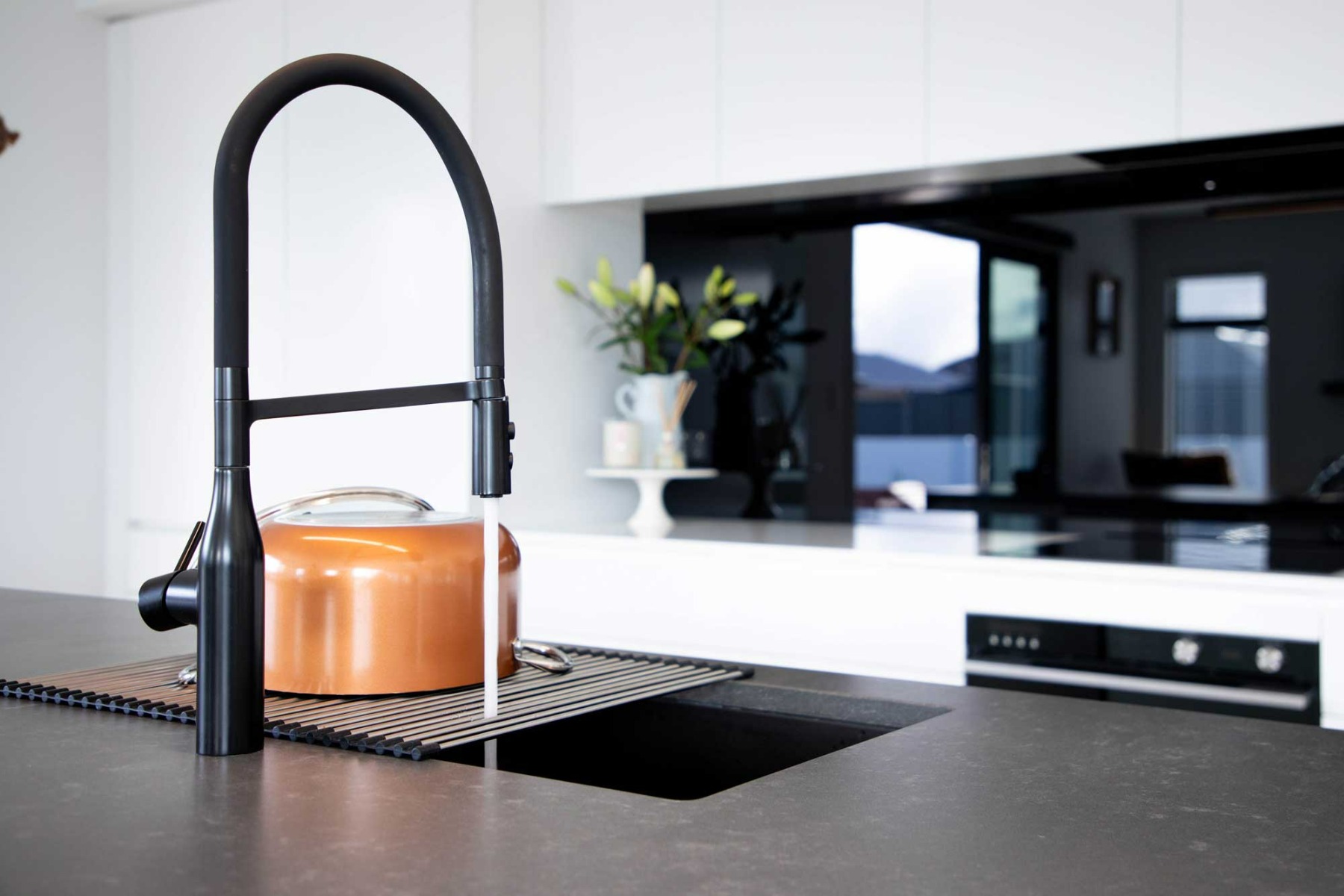
- Limited Heat Resistance: Composite sinks may have lower heat resistance compared to stainless steel. Placing hot pots and pans directly on a composite sink can potentially cause damage. Using a heat-resistant mat or trivet is advisable to protect your sink.
- Vulnerability to Chemicals: Some harsh chemicals, such as those found in drain cleaners, can harm the finish of composite sinks. To maintain their appearance, it's essential to use gentle cleaning agents.
- Weight: Composite sinks are typically heavier than stainless steel sinks, which can make installation a bit more challenging. Ensure your benchtop can support the weight and consider consulting a professional installer if needed.
Still Not Sure?
Check out our recent video on five of the most popular sinks we carry, including composite models and stainless steel options. You can also shop all of our sinks here.
Related Links
Ask Me Anything: 10 Answers to Your Questions About Kitchen Sinks
Everything You Need to Know About Composite Sinks
3 of the Most Exciting Kitchen Design Trends for 2023 (Review)
The Problem with Generic Sink Taps, and How to Choose one that Inspires (A Comparison Guide)
Best Alternatives to Stainless Steel Kitchen Sinks
Top 5 Pros and Cons of a Butler Bowl (Review)
A Review of EcoGranit Bowls: Are They Hard to Keep Clean?