
The Pros and Cons of a Quartz Benchtop and Why They May Be a Great Fit for Your Kitchen
The Pros and Cons of a Quartz Benchtop and Why They May Be a Great Fit for Your Kitchen
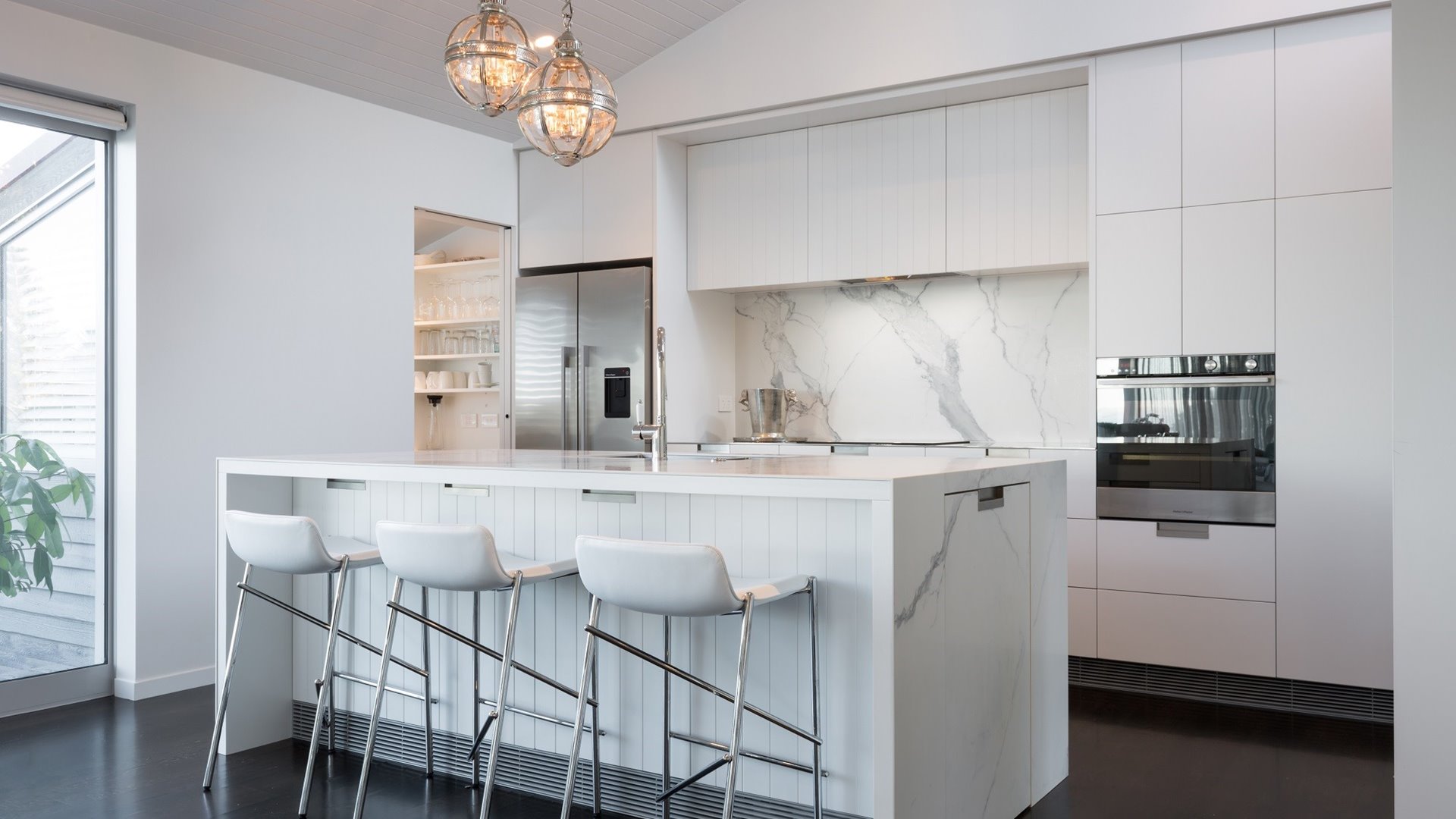
In talking with designers and homeowners around New Zealand, our team at Archant routinely answers questions about the best material for benchtops. Many are surprised to hear about the wide variety of options on the market today. Rather than overwhelming our readers with a long list of possibilities, we wanted to focus this piece specifically on one surface type: Quartz.
Why Quartz?
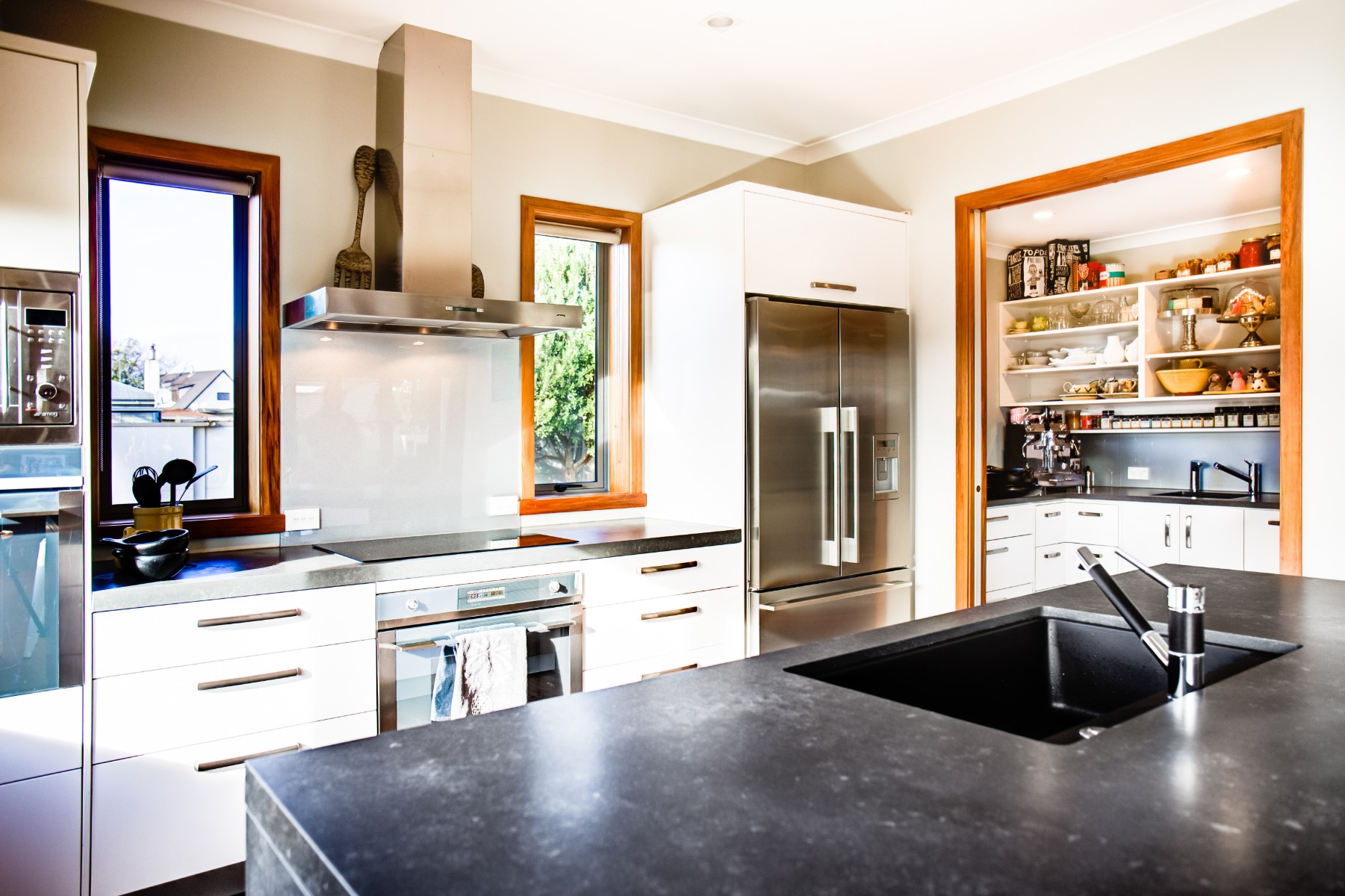
This impressive type of engineered stone has been around for quite some time, but not many know the true nature and value of it. And while quartz isn’t a new solution, that doesn’t mean you should discount it as a viable choice for your project.
It may not receive as much attention as some of the other high-profile solutions such as porcelain, granite, and marble. Yet, thousands of our customers in both residential and commercial jobs can attest to the beauty and durability of quartz benchtops.
Like any big purchase, it pays to research all aspects of a benchtop material, including the pros and cons. In this article, we’ll be looking at the benefits of quartz and any areas of concern.
We believe the overall picture will show how quartz is still a leading contender in the world of benchtop design. This isn’t to say it’s not without flaws, but the overall value and quality of the material just may be the perfect fit for your design.
Top 3 Reasons Quartz is a Fantastic Benchtop Choice
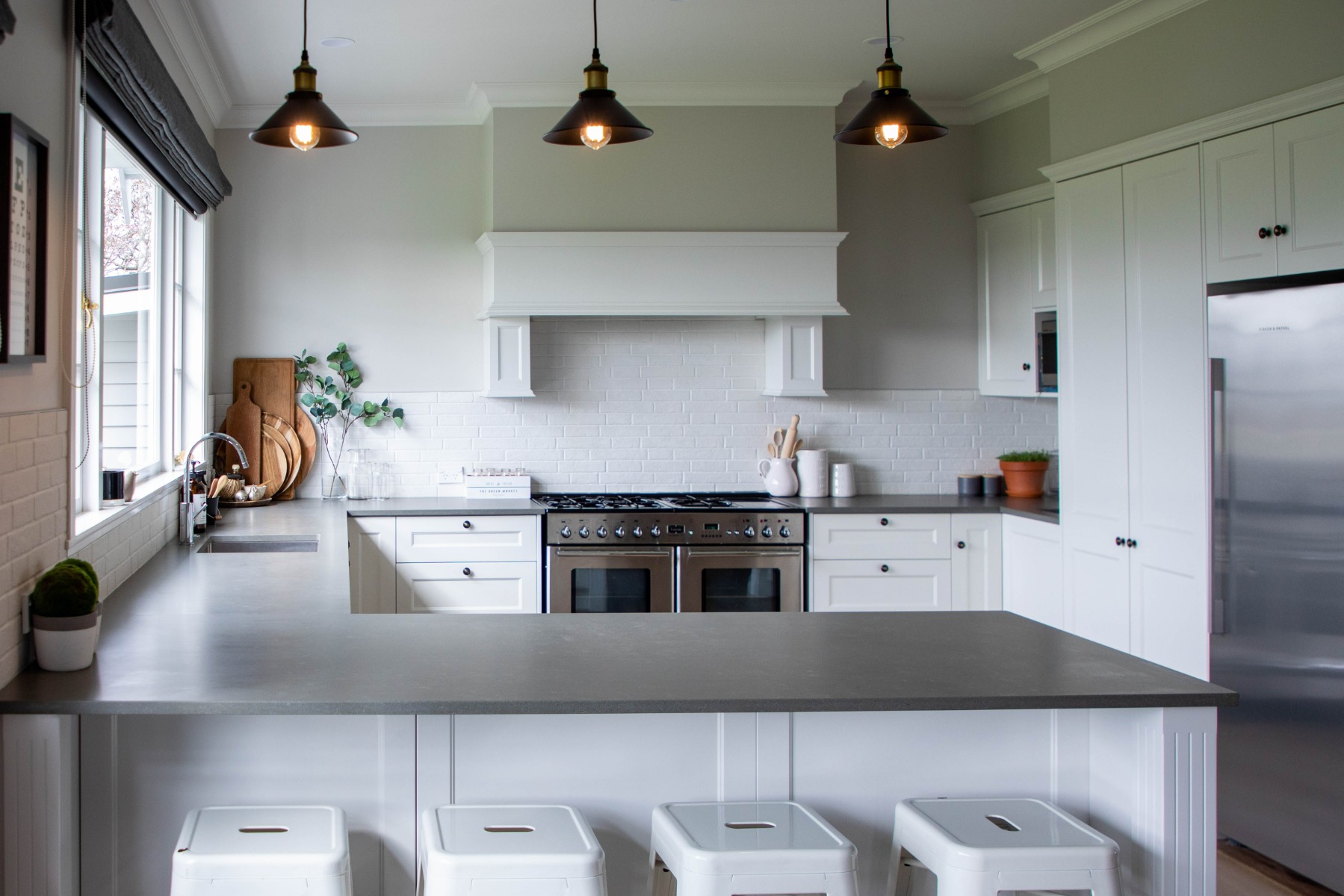
If you’re short on time and can’t read this whole review, we’ve created a bullet-point list of the top three pros of quartz benchtops. Here is the overview:
- Quartz is an engineered stone, meaning you’re not limited to the colour choices of natural stone. From the lightest whites to darker shades, and every tone in between, quartz benchtops can be made to work with just about any colour palette.
- Quartz benchtops are “non-porous” which is a fancy way of saying it’s highly resistant to stains. This includes liquids that are notorious for damaging worktops such as citrus and other acidic beverages.
- While Quartz is a rather hard surface, it’s mixed with resins. This makes for a more forgiving solution than many alternatives, offering a truly durable experience that is not prone to chips and cracks from normal use.
A Closer Look at the Pros of Quartz Surfaces
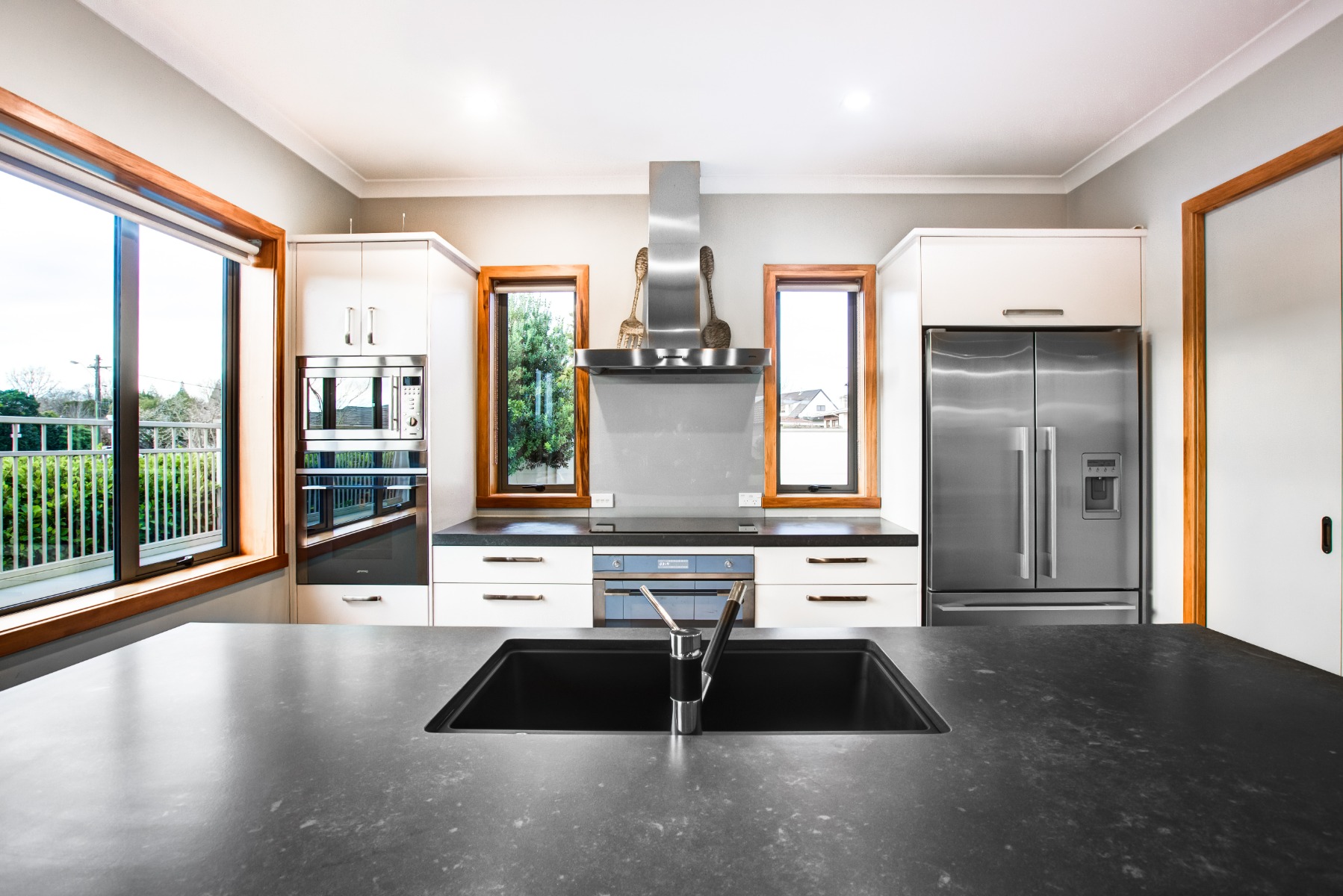
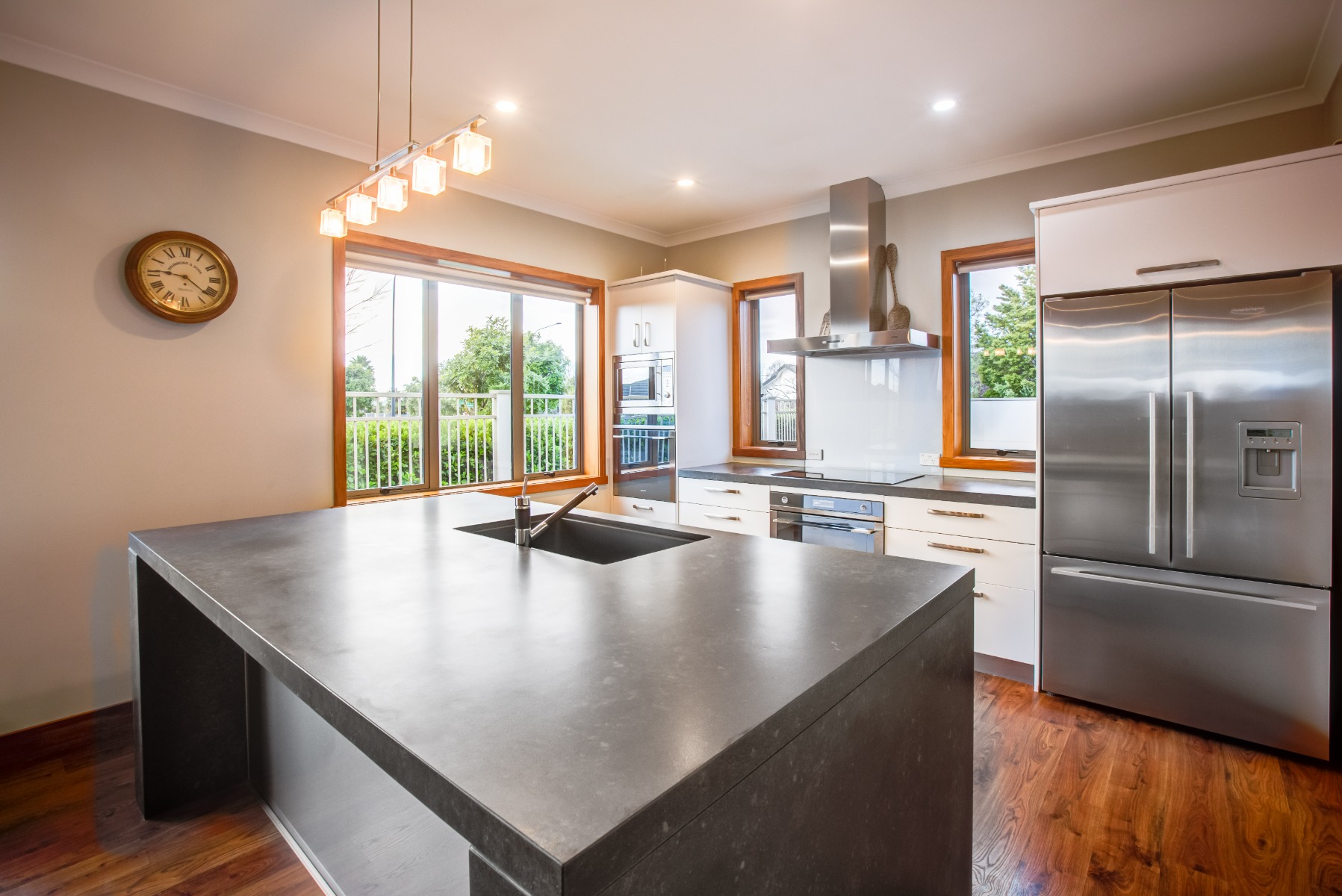
- Evolving Style - Quartz has been widely embraced as a premiere benchtop solution all over the world. For this reason, manufacturers continue to develop new colours and features every year. If you’re looking to make a splash in your project and create a new style that hasn’t necessarily been done before, you’ll be pleased by the immense range of options to choose from. The Archant collection alone features over forty styles to consider.
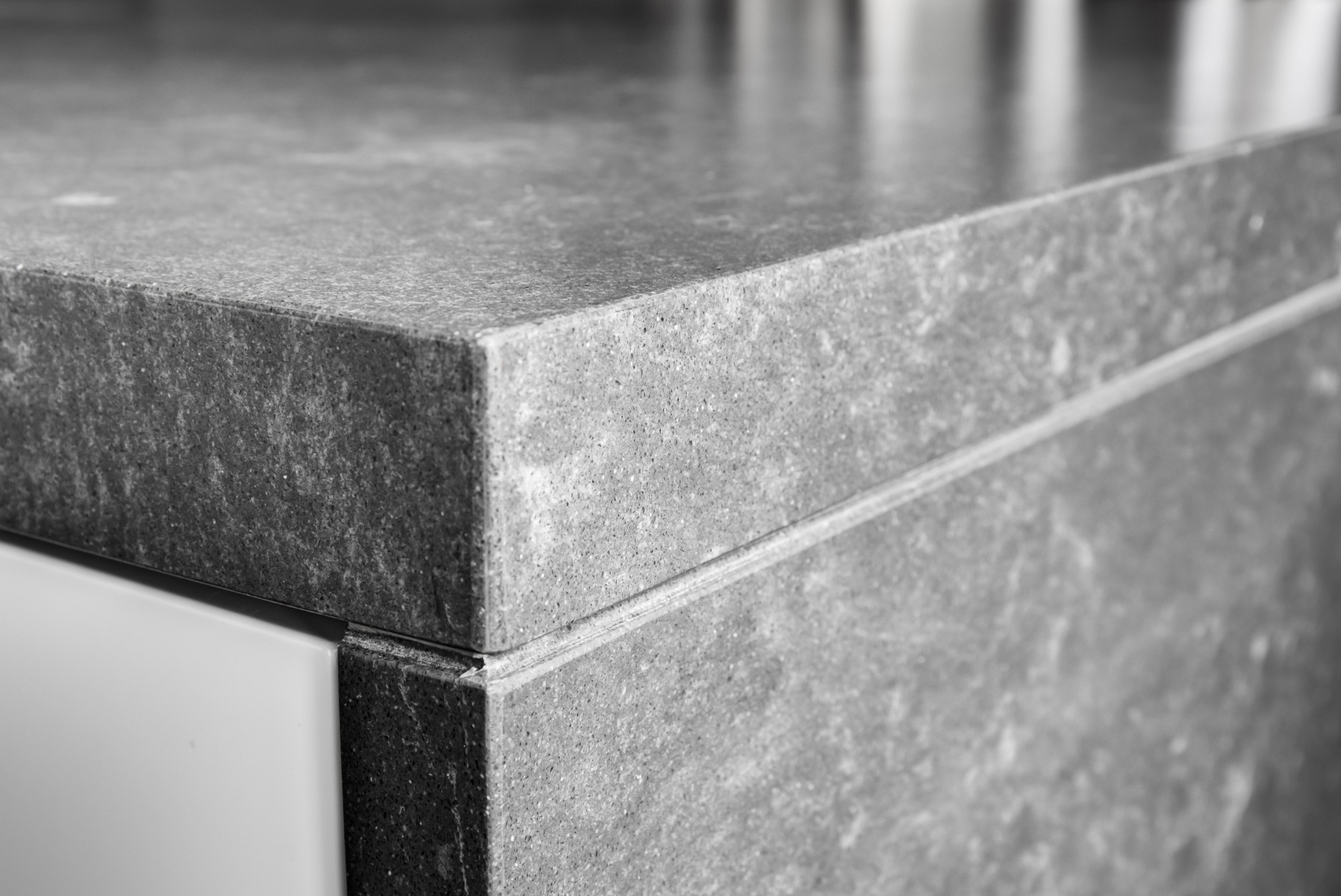
We’re not just talking about highly polished smooth finishes, but other matte and textured surfaces as well. For example, many of our clients love the distressed look and feel of our Metropolis range. Each slab is a unique creation making for a truly personalised kitchen feature.
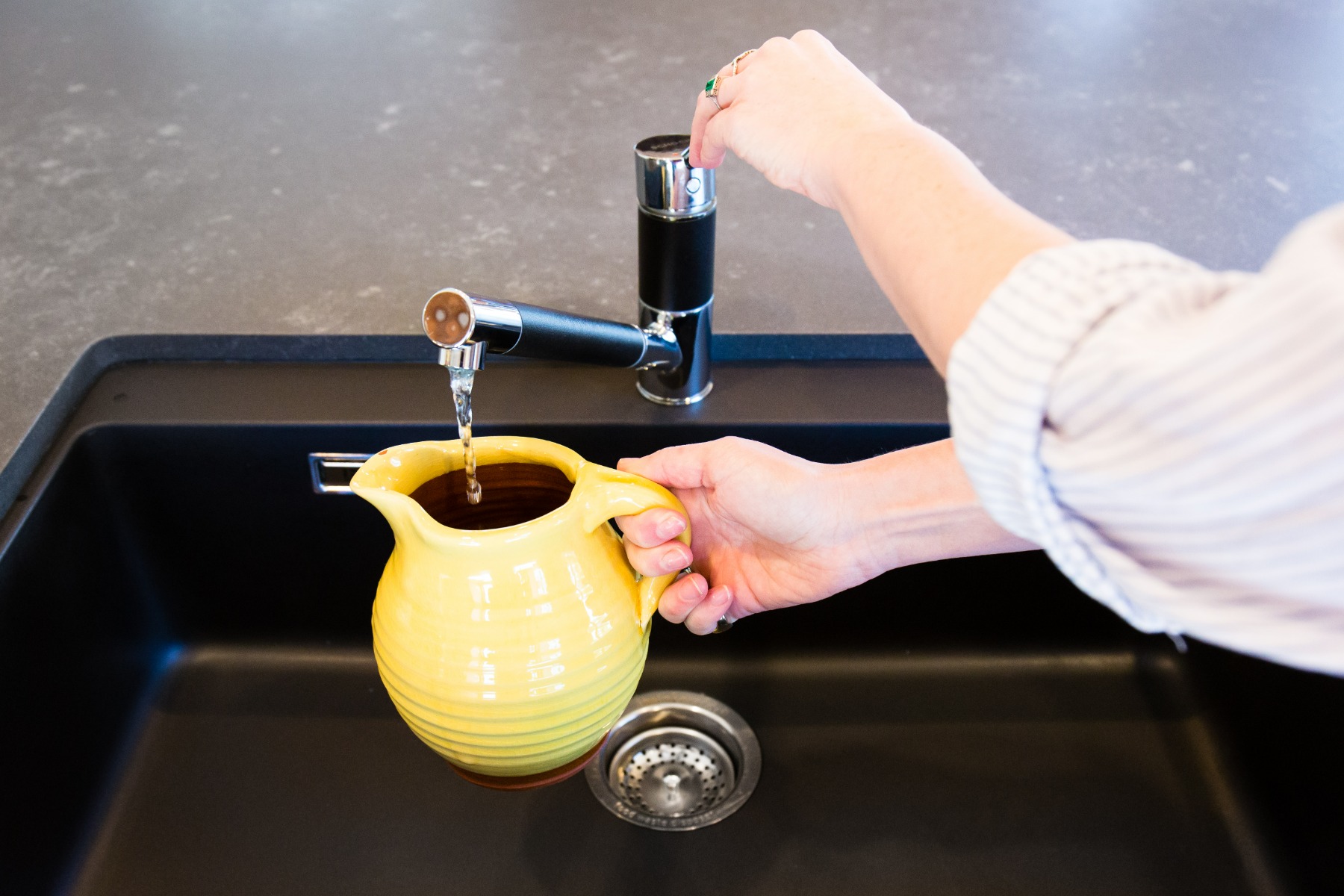
- The Advantages of Non-Porous Surfaces – With quartz surfaces, users will enjoy incredible stain-resistant qualities that many alternatives can’t match. To understand the value of this characteristic, it helps to know how it’s achieved. Unlike some natural stone surfaces, there is no need to apply a sealant type of product to a quartz counter. It’s the non-porous aspect of quartz that adds a new level of durability.
If you have children or entertain often, a benchtop that resists staining is a massive benefit. Orange juice, coffee, tea, and wine are all easily cleaned up as the liquid gathers on top of the surface rather than penetrating it. And while this addresses the visible stains, of equal importance are those unseen germs and bacteria. Quartz is advantageous here as well since the harmful elements have nowhere to hide or become trapped in the surface material. This makes for a truly sanitary and food-safe environment. - How Durable is Quartz? – All the benefits we noted above would be largely meaningless if the structural integrity of the bench was flawed. At Archant, our clients need a solution that’s strong enough to withstand daily tasks with ease. It’s not just commercial spaces that require extreme durability, but family households as well. So, how does quartz hold up in a real-world setting?
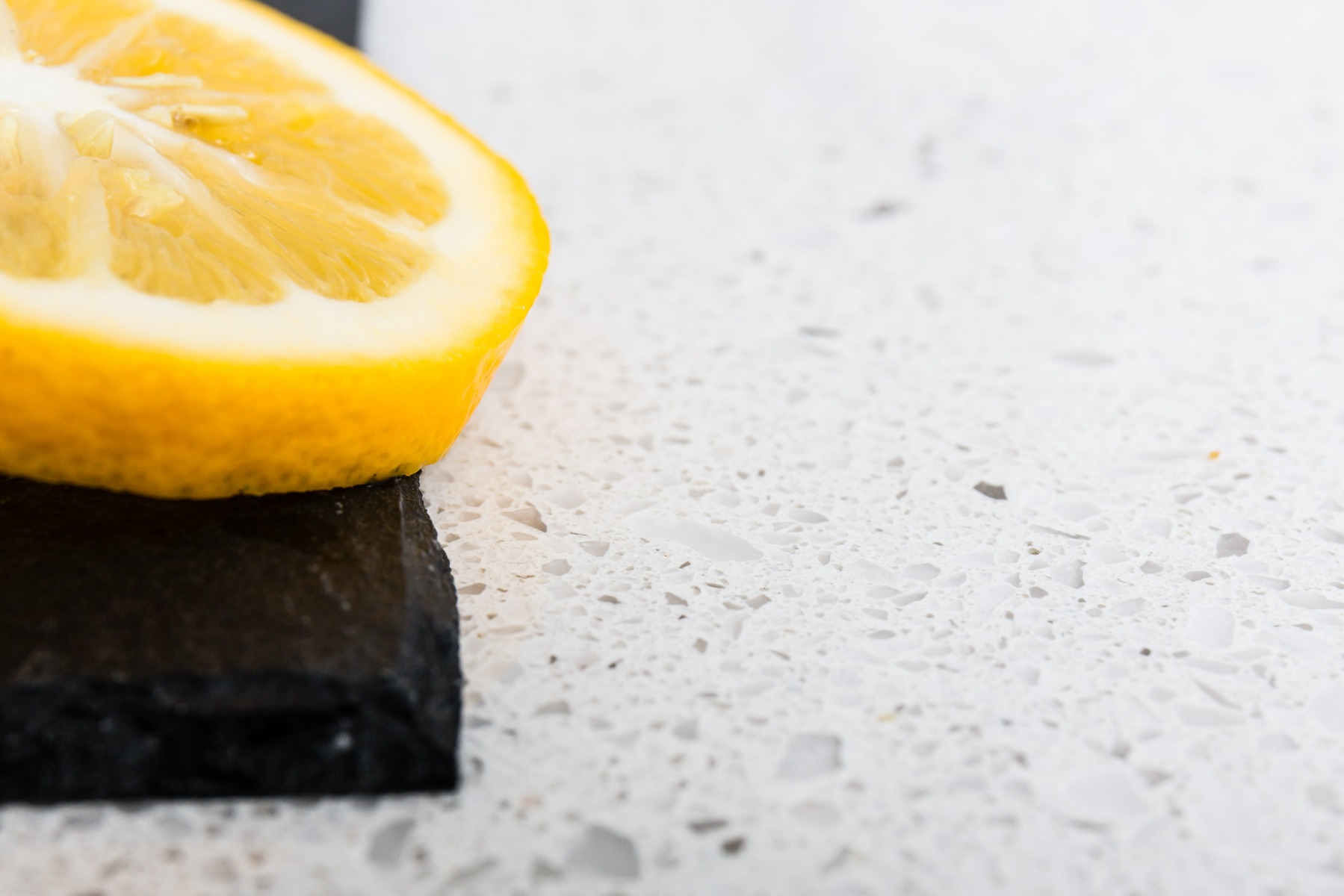
Since quartz benchtops are a mixture of natural quartz and resin, they are solid while maintaining a somewhat forgiving quality. There is some flexibility there which makes them less brittle than many other options. Coupled with the unique thickness of quartz benchtops which can be upwards of 20mm – 30mm thick, you’re left with a truly durable benchtop that’s fit for nearly any culinary task.
Where Does Quartz Fall Short? The Cons Explained
Every benchtop material has a weakness, and quartz is no different. In studying the different options on the market today, there is one area where quartz falls short: resistance to extreme heat.
Ironically, the same resins which help to make quartz durable can burn when contacted directly by hot cookware. For some homes and businesses, this is not a deal breaker as trivets are a perfectly suitable workaround. However, we thought it was worth noting to give a complete picture.
The other area of concern to note is that quartz will fade and discolour if used outdoors. Unlike porcelain, it’s not resistant to the sun’s ultraviolet rays. For this reason, clients who wish to design an outdoor kitchen would be better directed to a porcelain bench.
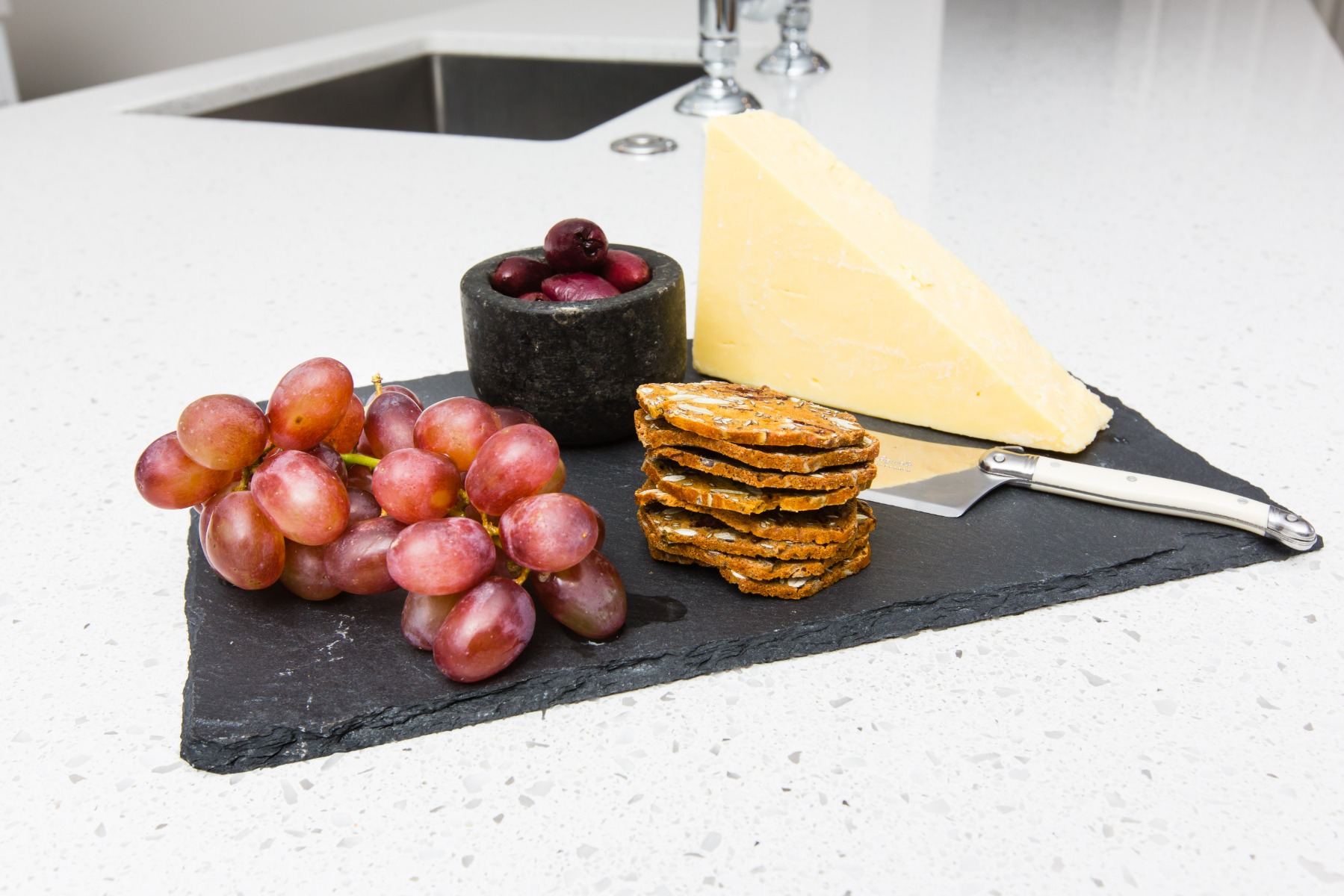
Bottom Line: Quartz Benchtops Offer a Winning Combination of Style, Durability and Value
As you just read, quartz benchtops are an outstanding addition to projects which demand style and durability. The unique characteristics of this material offer some very real benefits including a wealth of colour options, robust durability, and the highest level of stain resistance. Still, we know that sometimes seeing leads to believing.
If you’d like to explore the quality of our quartz collection up close, and inquire about how it can be used to upscale your specific kitchen project, why not make an appointment to speak with a trusted design expert? We are happy to answer all your questions and set your project on track for success.
Related Links
How to Buy a Benchtop that Fits Your Family Needs for 2023 and Beyond
Porcelain vs Quartz Benchtops: Which is the Best Surface For Your Kitchen? (Comparison)
How Much Should I Budget for My Kitchen Renovation in New Zealand? (Pricing Guide)
Which is the Best Benchtop: Concrete, Porcelain, or Quartz (Comparison)
Archant Quartz Benchtops vs Caesarstone®: An Honest Comparison
Top 10 Pros and Cons of Quartz Metropolis Benchtops (Review)
An Honest Review of the Best Kitchen Benchtops on the Market