
Florimstone vs Dekton: Which is the Best Benchtop?
Florimstone Porcelain vs Dekton: Which is the Best Benchtop?
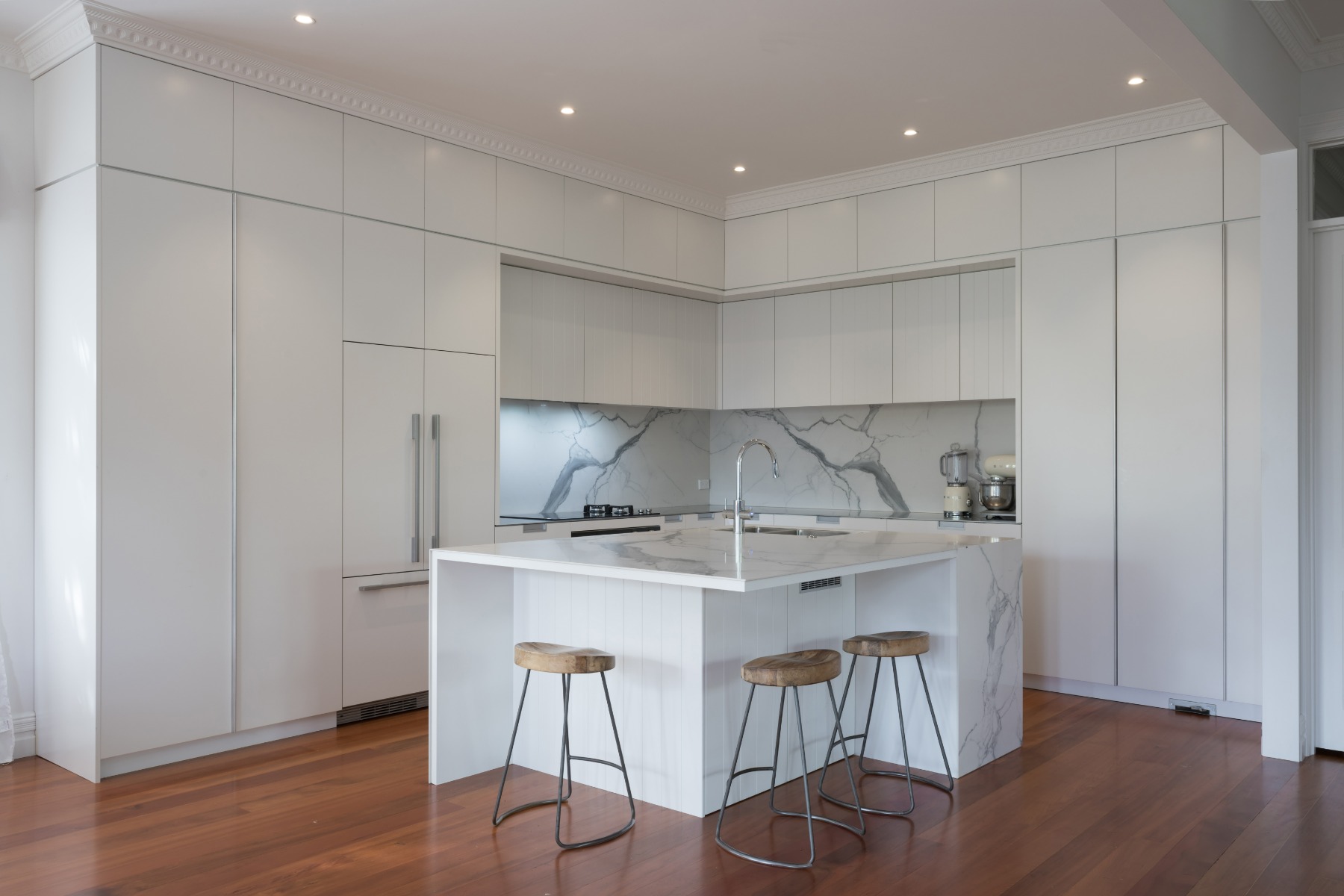
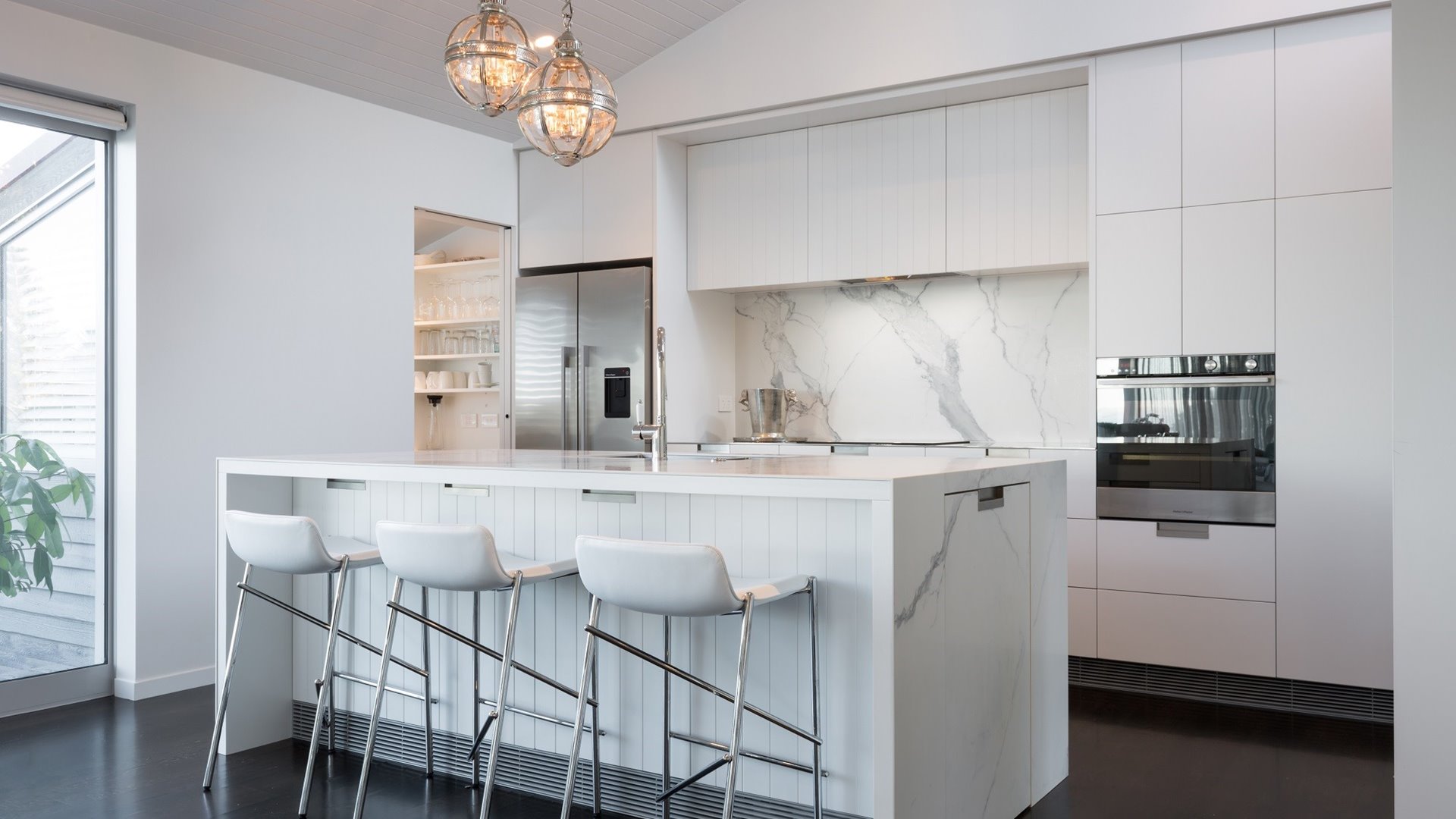
While researching the pros and cons of both Florimstone Porcelain and Dekton, one thing is quite apparent. They are remarkably similar in their robust durability as a benchtop material. These comparable qualities often lead to confusion amongst homeowners. Many of our customers in New Zealand mistake them for being the same product. This of course is quite understandable considering the similar characteristics.
To be clear though, they are two unique products each with its own set of benefits and disadvantages. In this article, we’ll unpack the main differences between each. By having a better understanding of the benefits and limitations of each, you’ll be able to determine the best fit for your benchtop project.
Similarities of Florimstone vs Dekton Benchtops
One of the more common questions we hear is “Can you put a hot pot directly onto the benchtop?” With Florimstone and Dekton, you absolutely can! This makes food prep super convenient as there’s no need to protect the surface from unsightly burn marks.
Both are incredibly resistant to scratches. You don’t even need a cutting board and can work right on the bench. Again, a huge benefit for those working in busy kitchens where time is of the essence. There’s no need to fuss with chopping blocks or add more to your clean-up.
And for those who worry about stains, it’s a non-issue with Florimstone and Dekton. Just wipe up the liquid when you can and forget about it. This is largely due to the non-porous nature of these surfaces.
Ease of Maintenance
If you're looking to design outdoor spaces, you’ll be hard-pressed to find a better solution than these two materials. Yes, both Florimstone and Dekton are resistant to UV rays. This means they won’t fade or discolour over time.
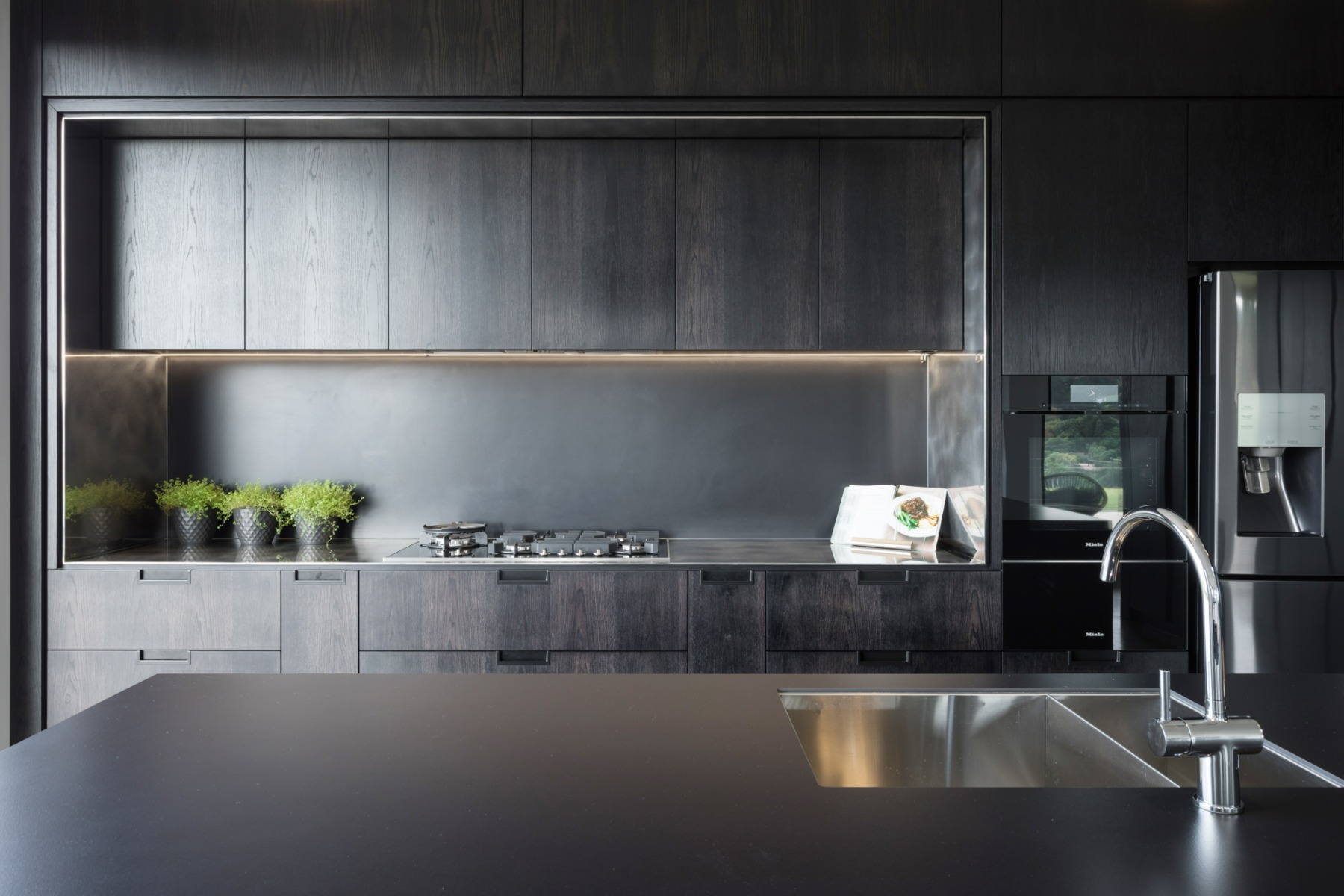
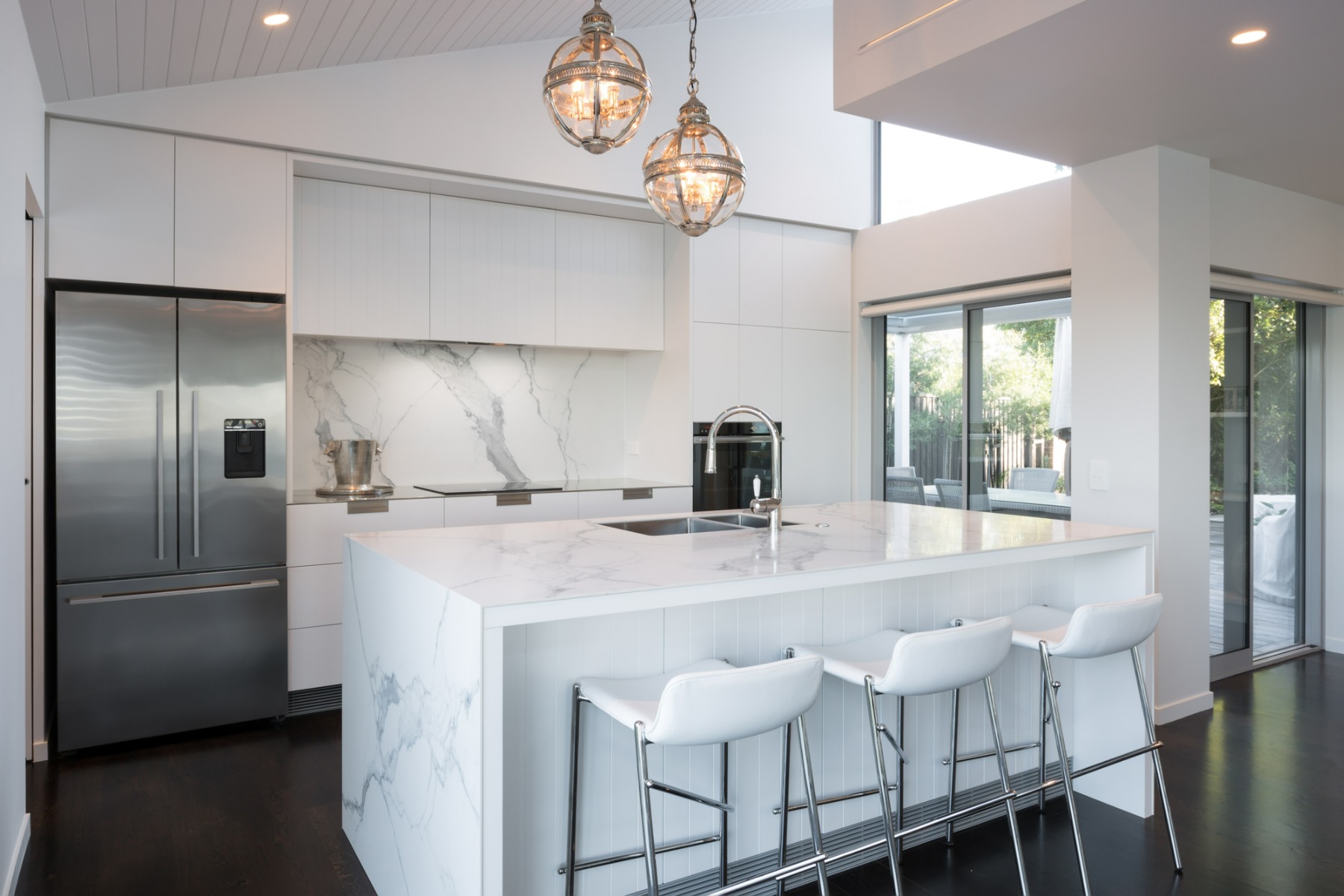
Maintenance is a cinch for both options with everyday household cleansers being all that’s necessary. Warm water and a soft cloth will be perfectly suitable for daily clean-up.
What’s the Difference?
Let’s first spend a moment on the actual composition of both. Dekton is made by combining quartz, porcelain, and glass. From there, the materials are compressed under intense pressure. This creates a truly compact, durable product. It’s also known as a 'sintered stone' which is used to describe a family of materials from brands like Dekton, Neolith, and Laminam to name a few.
Porcelain is also bonded together with high heat and pressure to form a strong slab. It involves the sintering of clays and other raw materials. The main difference is that Dekton has a higher glass content.
Durability Concerns with Dekton
Knowing the specs behind the products are all well and good, but what does it mean in real-world use? This is what Consumer Reports aimed to determine with a series of tests in 2015. As expected, Dekton did very well with heat, stain, and scratch resistance. It was the impact tests however that gave reason for potential concern. The report notes that “pieces of the edges chipped off, and Dekton cracked into two pieces on samples that were 2 centimetres thick.” They go on to say that their “impact tests simulate what could happen if a heavy pot fell from a shelf or pot rack up to 2 feet above the counter.” To be fair, porcelain can and does chip if hit with force, especially near the edges. Yet the damage with Dekton was more severe with the report noting that “None of the other 13 materials we tested cracked this way.” In response to this test, the manufacturer stated that they were “unable to validate the results, as testing conditions didn’t comply with our own installation guidelines.”
In terms of warranty, Archant offers a lifetime guarantee with porcelain benchtops, while Dekton is shorter at 25 years. Neither, however, will cover chipping or cracking from accidental misuse. For more on what to do should you damage your stone benchtop, be sure to check this resource.
Differences in Cost
Comparatively speaking, Dekton is a fairly new product next to porcelain. Since it’s a more recent innovation, you can expect a slightly higher price tag. Another area to investigate is the slab sizes. Dekton sheet size is 3200x1440, while Florimstome is larger at 3200x1600. As such, you’d need to purchase additional sheets of Dekton to match the size of a space designed with porcelain. In terms of sheet optimisation, the advantage here goes to the large format porcelain slabs. Of course, the precise cost will ultimately come down to the unique aspects of your design. Keep in mind, that the fabrication cost is what drives the price up. Projects that are labour intensive and involve more cuts and mitred edges will increase the cost considerably.
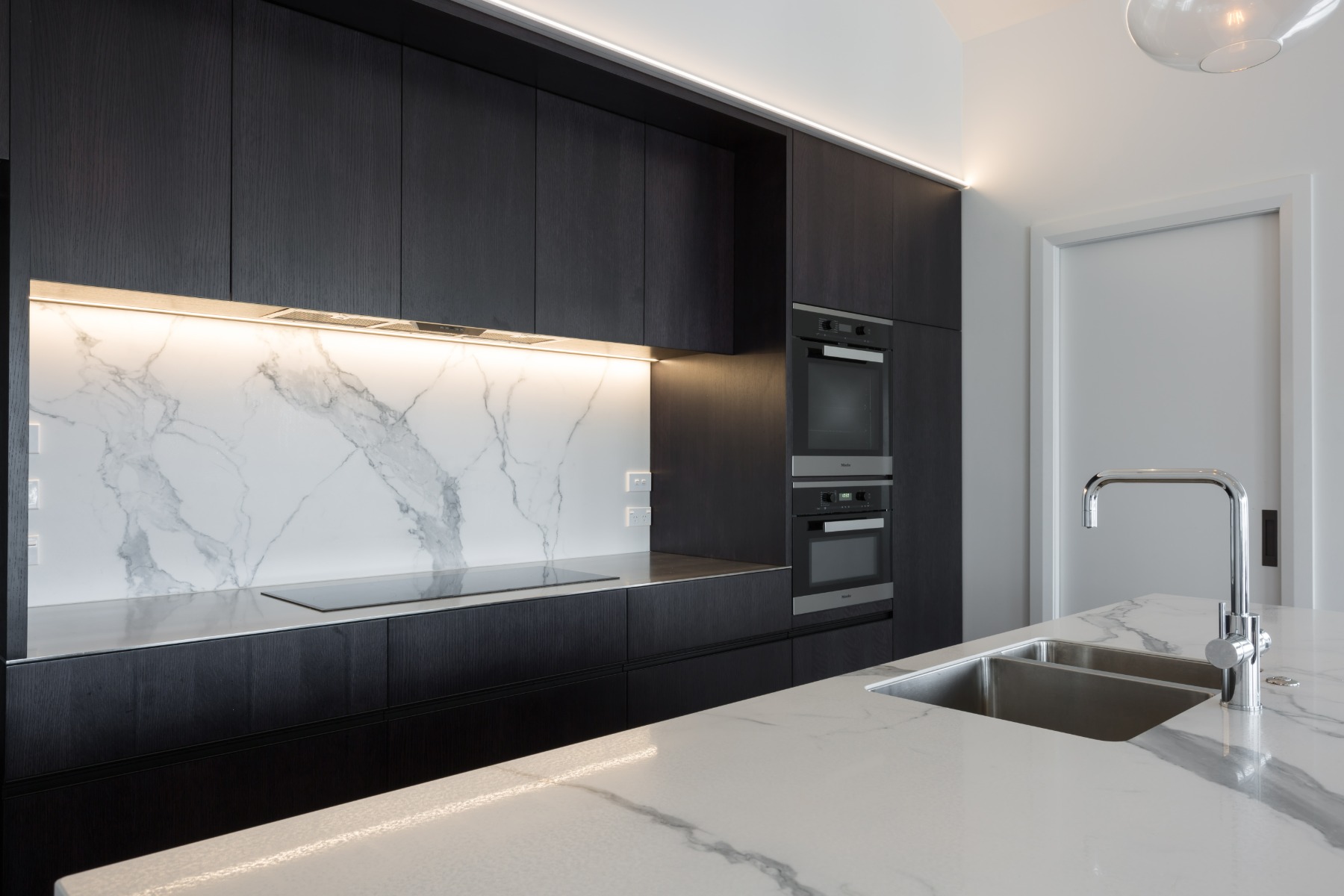
The Winner Is?
When it comes to Florimstone vs Dekton, there really isn’t a clear winner. They both feature nearly unlimited design potential, leaving the choice up to your budget and style preferences. The durability concern with Dekton is worth noting but consider it in context with the bigger picture. No benchtop is impervious to damage should it be struck with heavy force or pressure.
Our benchtop calculator and our online visualiser may help you prepare for the next step.
If price is the main deciding factor, then Florimstone may be the better choice for you. While they are similar, the larger sheet size of Florimstone works to your advantage, as does the lifetime warranty. However, if you’re still undecided about what would be the best benchtop for you, we’d recommend Booking a visit with a local showroom. Sometimes you need to see and feel the materials in person to make the final decision. Our design experts are happy to help you find the ideal selection for your needs. Whichever way you decide, we believe both are excellent options.