
Porcelain Benchtops vs Engineered Stone: What are the 10 Main Differences? (Comparison)
Porcelain Benchtops vs Engineered Stone: What are the 10 Main Differences? (Comparison)
When it comes to choosing a benchtop for your kitchen, it can be difficult to decide between porcelain and engineered stone. Both materials offer a range of benefits, but they also have different characteristics that are worth considering when making your decision.
At Archant, we understand the importance of choosing the right material for your benchtop. Not only will the material you choose affect the look and feel of your kitchen, but it also affects its durability, performance, and maintenance requirements.
When deciding on a benchtop material, it’s essential to consider factors such as your lifestyle and the amount of use the benchtop will receive. For instance, if you’re an avid home chef, you’ll need a material that can handle the wear and tear of frequent chopping and cutting. On the other hand, if you’re looking for a more decorative piece, you’ll want to opt for a material that looks nice and won’t scratch or chip easily.
Another important factor to consider when choosing a benchtop material is maintenance. Some materials require frequent sealing to protect them from scratches or spills, while others are much more low-maintenance and don’t need to be sealed. Depending on how much time and effort you’re willing to invest in upkeep, this can be an important factor in your decision.
To make the decision a little easier, here are 10 of the main differences between porcelain benchtops and engineered stone.
- Porcelain is a natural material while engineered stone is a man-made material. Porcelain is made of clay, which is fired at very high temperatures to create the material. Engineered stone, on the other hand, is created from a mix of quartz and other materials that are bound together with a resin.
- Porcelain has a very low silica content, making it a safer material to fabricate when compared to engineered stone.
- Porcelain is highly resistant to scratches, while engineered stone can be more prone to scratches. For example, you can cut directly on a porcelain surface, but a cutting board is needed with engineered stone counters.
- Porcelain is more resistant to heat than engineered stone, making it a better choice for kitchens that get a lot of use. No trivet is required with porcelain benchtops but is necessary with engineered stone surfaces.
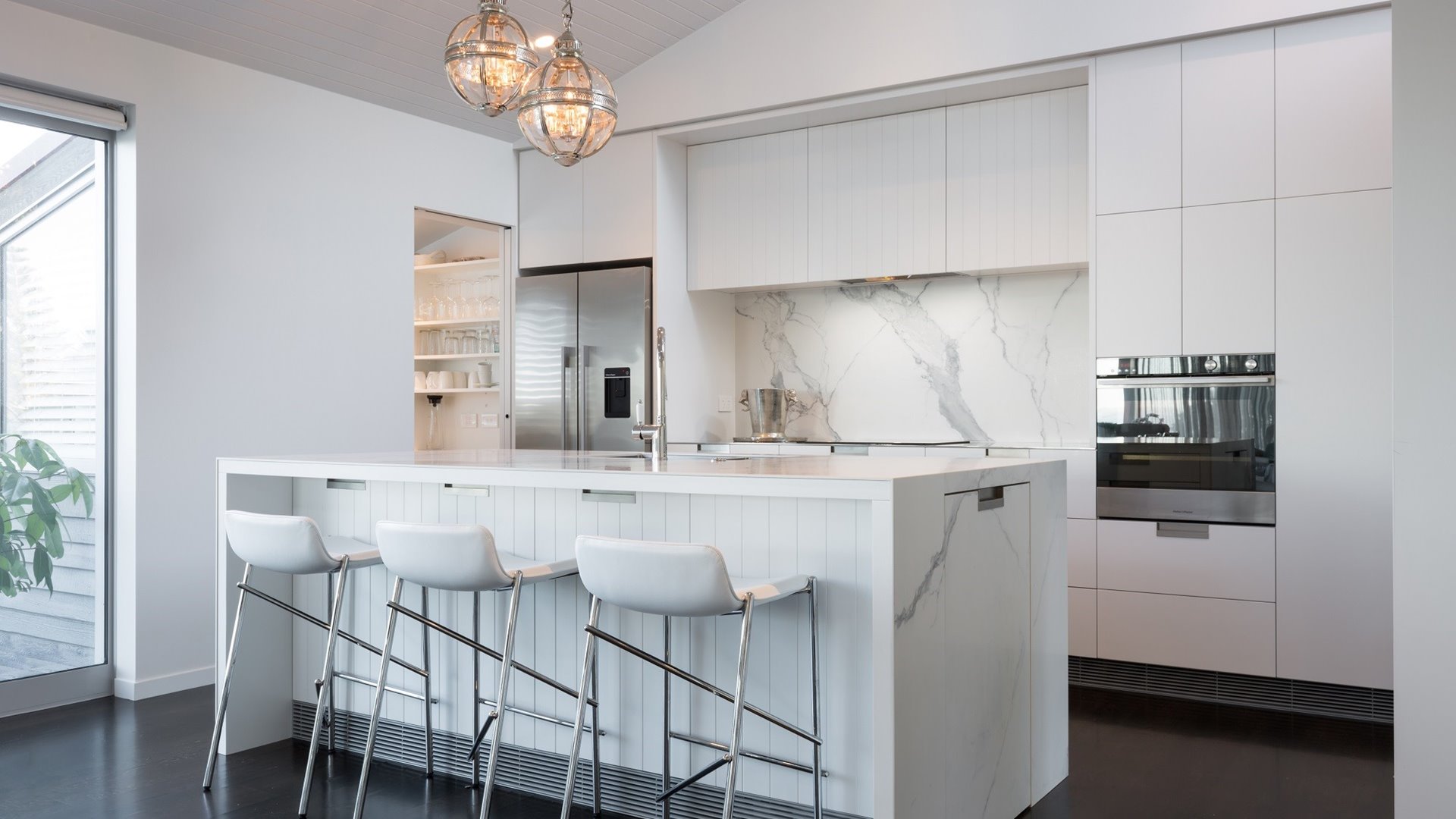
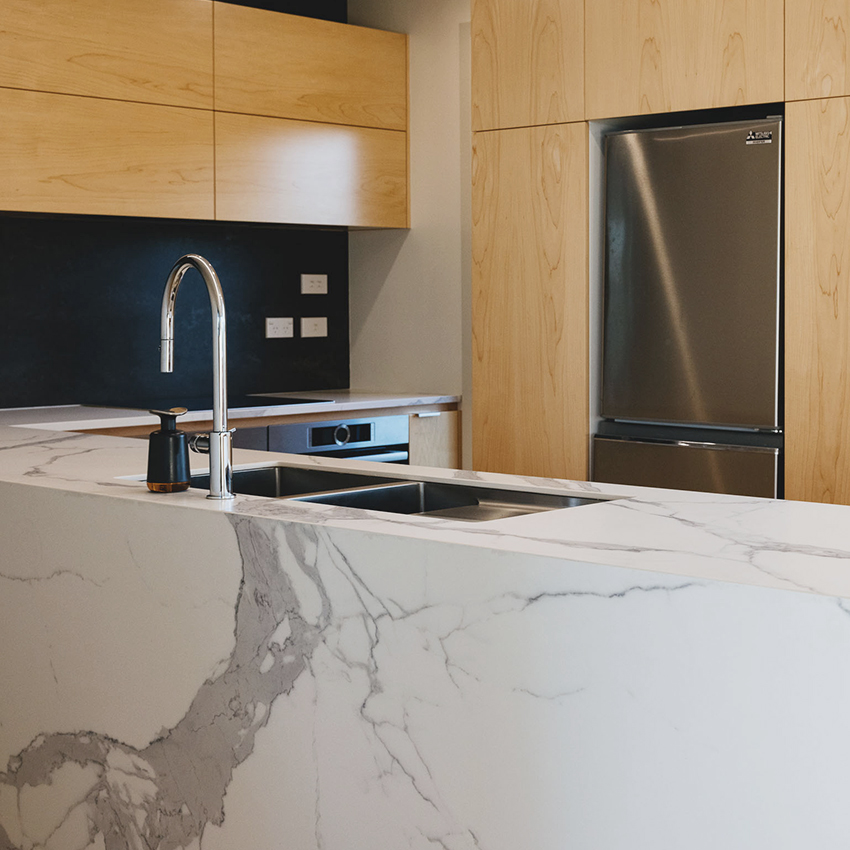
- Porcelain is available in a range of colours and patterns, while engineered stone is generally available in fewer choices. This is due to the unique way porcelain patterns are printed and made to look like nearly any material imaginable from metal to marble, timber, concrete, stone, and more.
- Engineered stone can be slightly more cost-effective than porcelain. One of the main reasons for this is because it requires less labour to produce. Engineered stone is man-made, created from a combination of natural quartz and other stones, and then bound together with a bonding agent. This process requires less time and effort than the production of porcelain, which is crafted by mixing natural minerals with water, forming a slurry, and then firing it in a kiln.
- Porcelain is more durable than engineered stone, so it has a longer lifespan. Porcelain benchtops can last up to 30 years or more with proper care. On the other hand, engineered stone countertops tend to last around 15 years.
- Porcelain is a bit more difficult to install than engineered stone, so you may need to pay more for installation.
- Engineered stone will fade and discolour if used outdoors, but porcelain will not.
- Archant Porcelain benchtops have a lifetime warranty, while our engineered stone (Quartz) surfaces have a 12-year warranty.
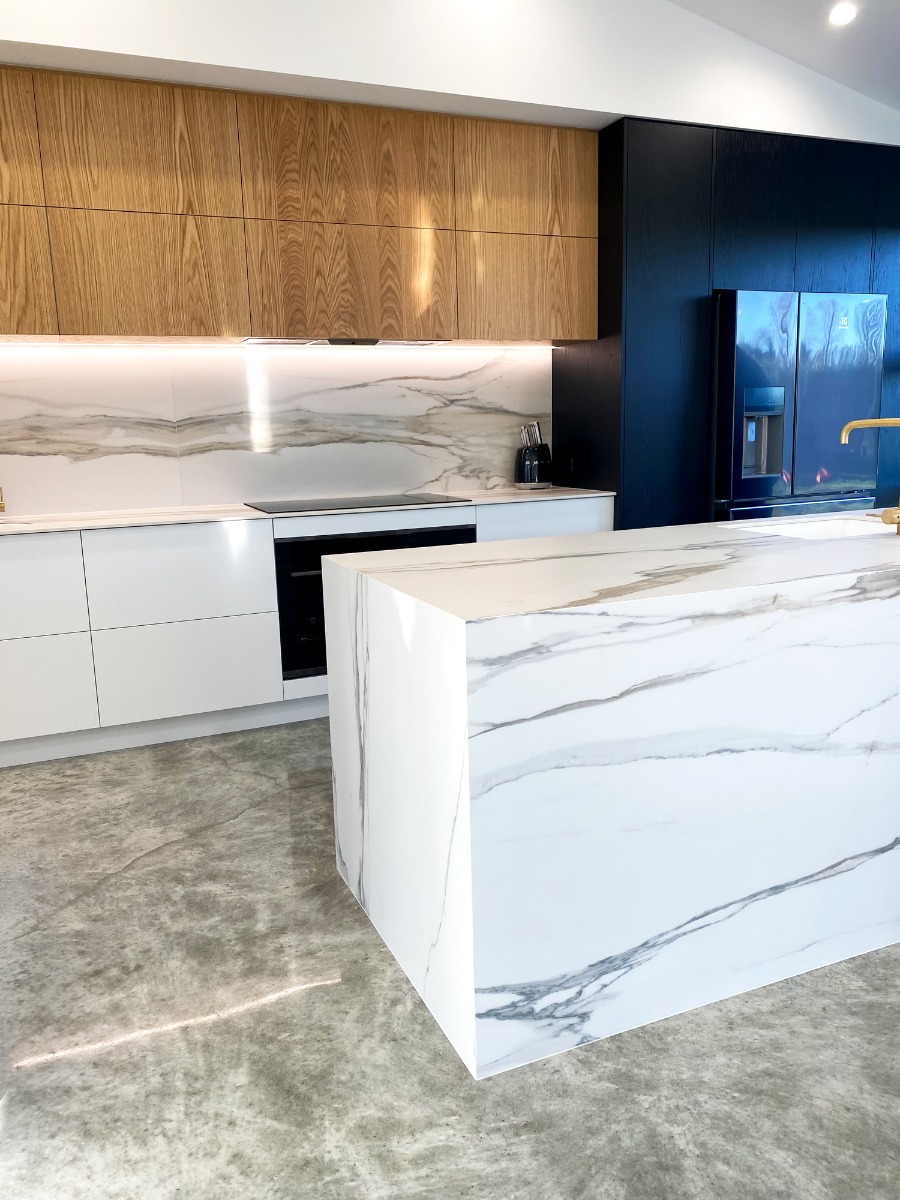
In Conclusion
When it comes to kitchen benchtops, there is no one-size-fits-all solution. Each material has its unique benefits and drawbacks that must be weighed carefully before deciding on a material. Porcelain and engineered stone are two popular materials, but which one is right for you?
The best choice for you will depend on your needs and preferences. Porcelain benchtops offer a classic and timeless look with rugged durability, while engineered stone offers some cost savings and versatility. Both are incredibly strong and easy to clean and will add an elegant touch to your kitchen.
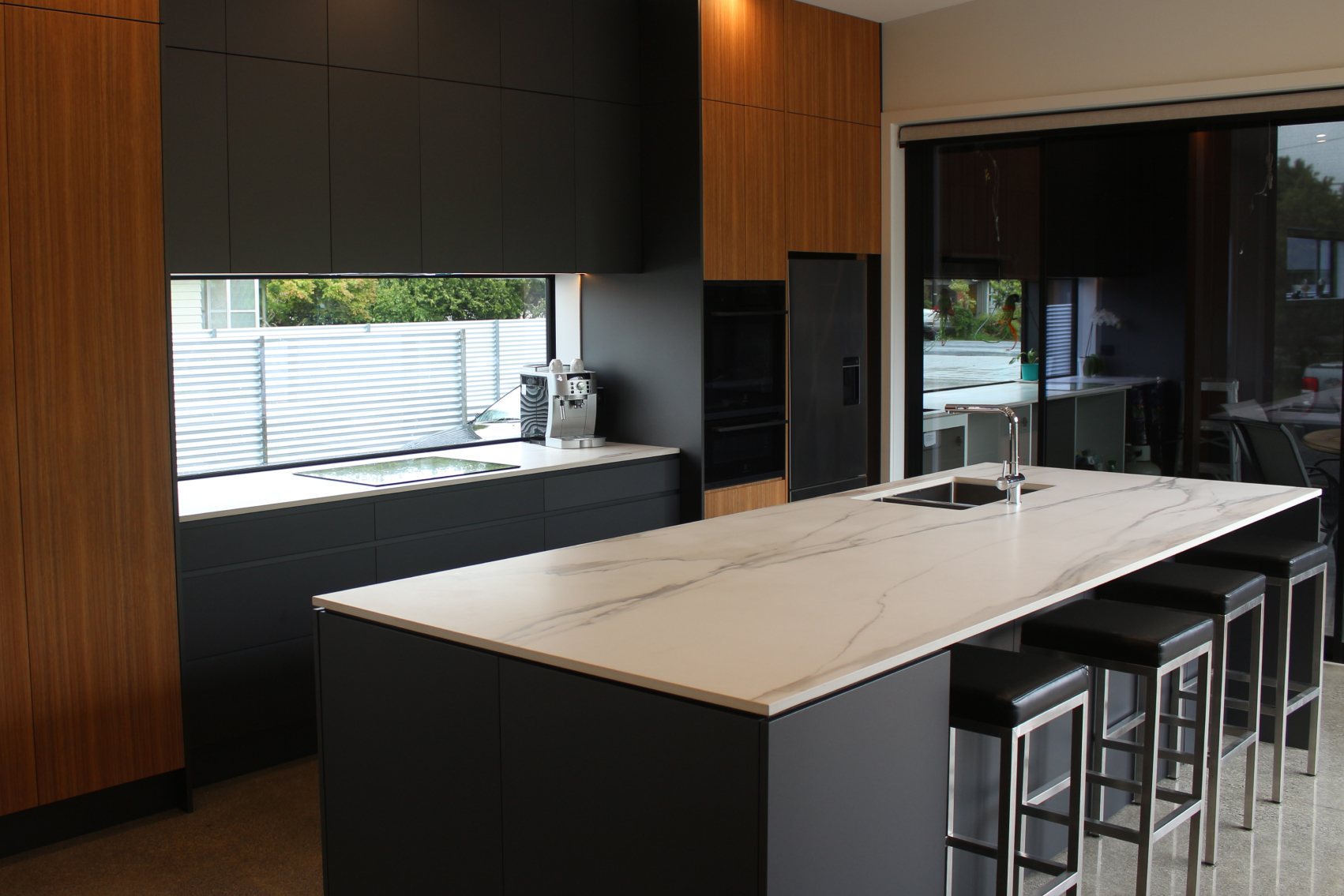
Visit a Showroom to See Our Stylish Benchtop Selections
If you’re looking for the perfect benchtop for your kitchen renovation, look no further than Archant. With a wide range of products, excellent customer service, and design expertise, we’ll work with you to ensure that you’re completely satisfied with your benchtop purchase.
At Archant, we pride ourselves on offering excellent customer support and a range of products that offer value for money. We’ll provide you with advice and guidance when it comes to selecting the right benchtop and can give you a free quote so that you can make the most informed decision. Get in touch with your local Archant showroom today to find out more.
Related Links
Searching for the Best Benchtop in NZ? How & Why to Get a Porcelain Surface
What are the Key Differences Between Porcelain and Quartz Benchtops?
Archant Porcelain vs Neolith Benchtops (A Comparison Guide)
Benchtop, Island, or Both? How to Decide on the Best Option for Your Kitchen
How to Design a Durable Overhang for Your Porcelain Benchtop and Kitchen Island
Considering a Porcelain Benchtop in NZ? 5 Helpful Steps to Create Your Ideal Kitchen
Benchtop Review: Is Granite Right for Your Kitchen?
What Should I Budget for a Porcelain Benchtop in New Zealand? A 2023 Pricing Guide
How Much Do Quartz Benchtops Cost in NZ? (2023 Pricing Guide)
A Review of Porcelain vs Laminate Benchtops (Cost, Style and Durability Comparison)