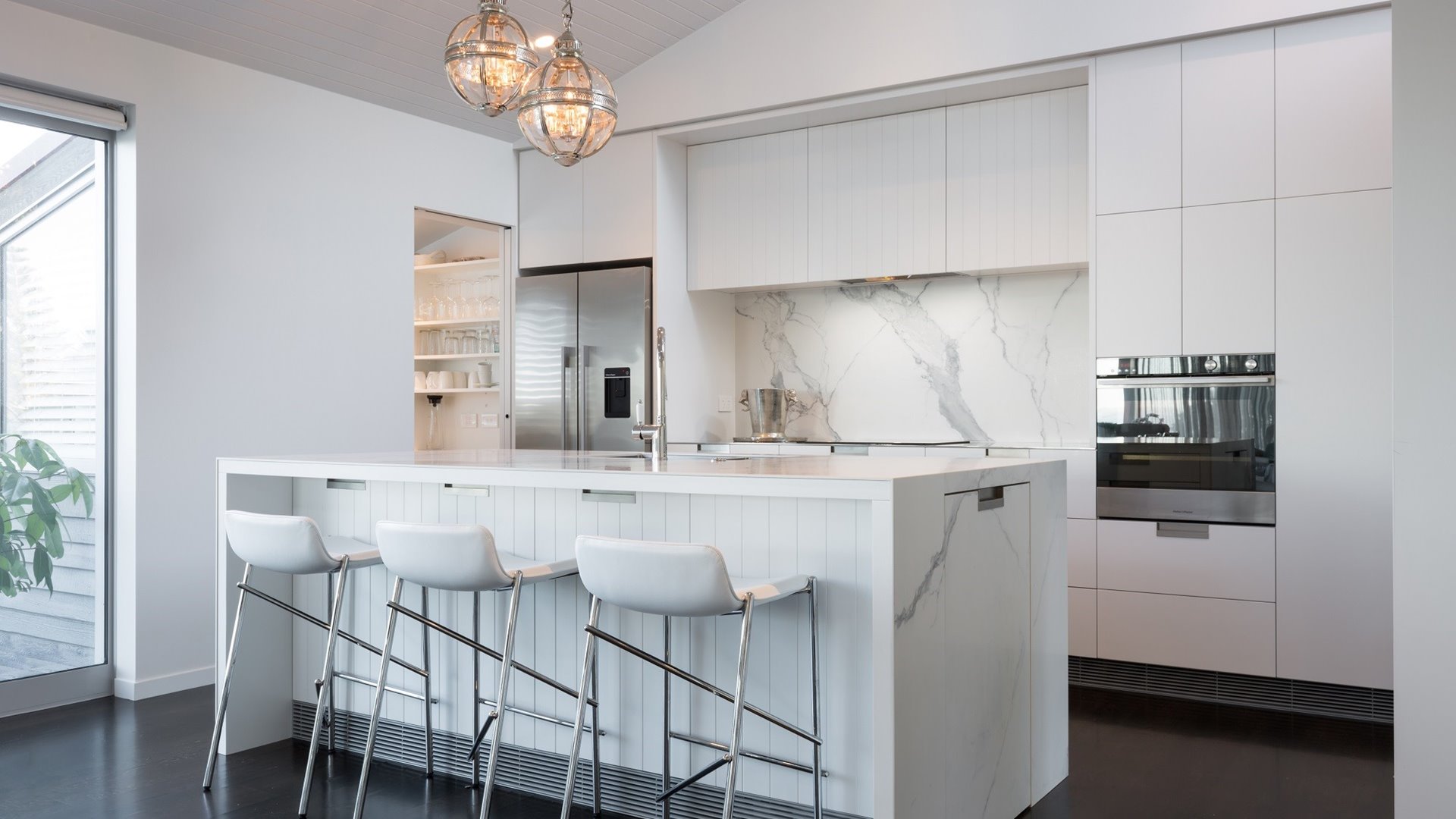

Porcelain Benchtops vs. Acrylic Surfaces for Kitchen Use: A Comprehensive Comparison
Porcelain Benchtops vs. Acrylic Surfaces for Kitchen Use: A Comprehensive Comparison
At Archant, we understand that choosing the right material for your kitchen benchtop is crucial for a successful renovation. We're here to educate and inspire you as you embark on your journey to transform your kitchen.
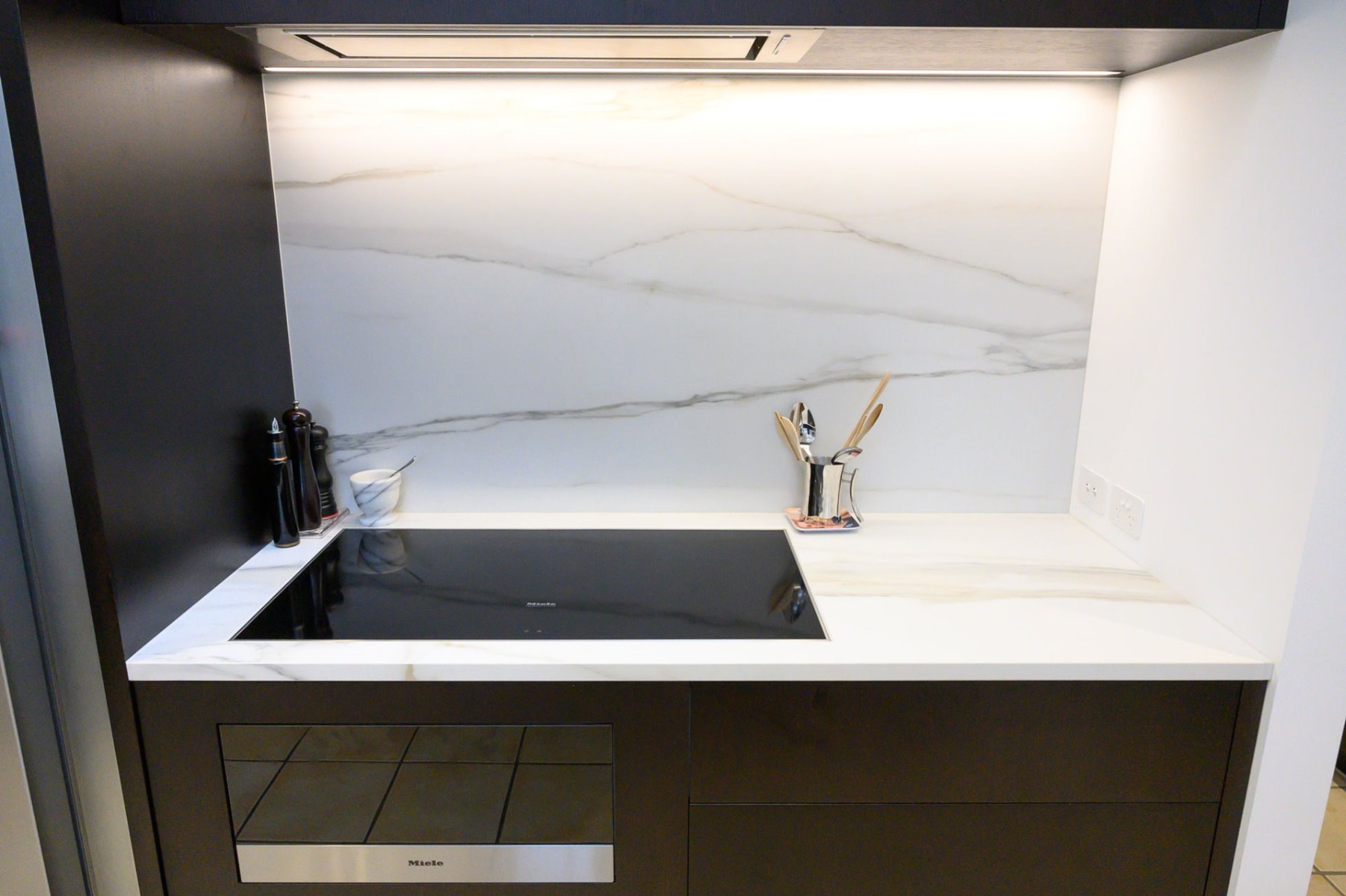
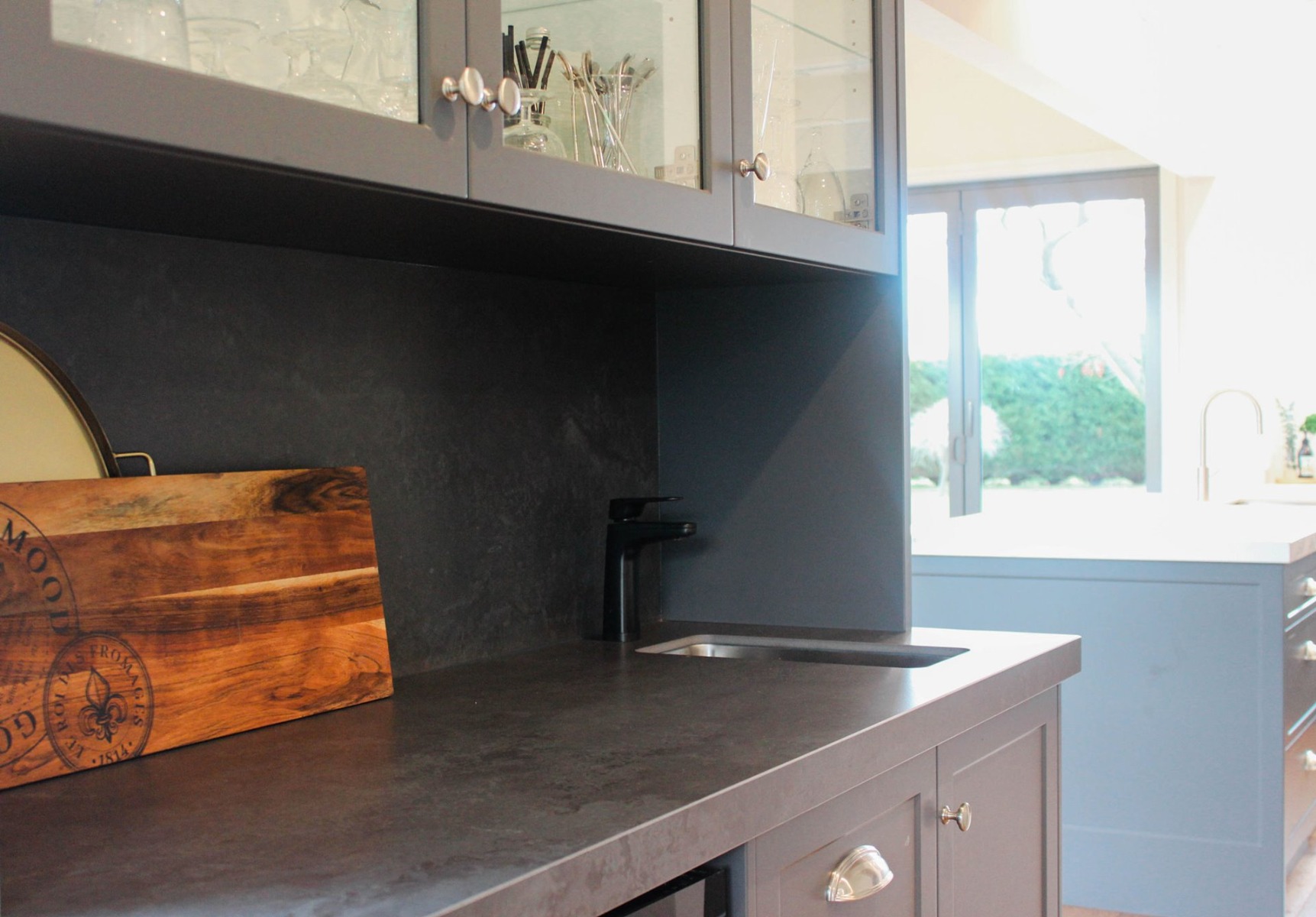
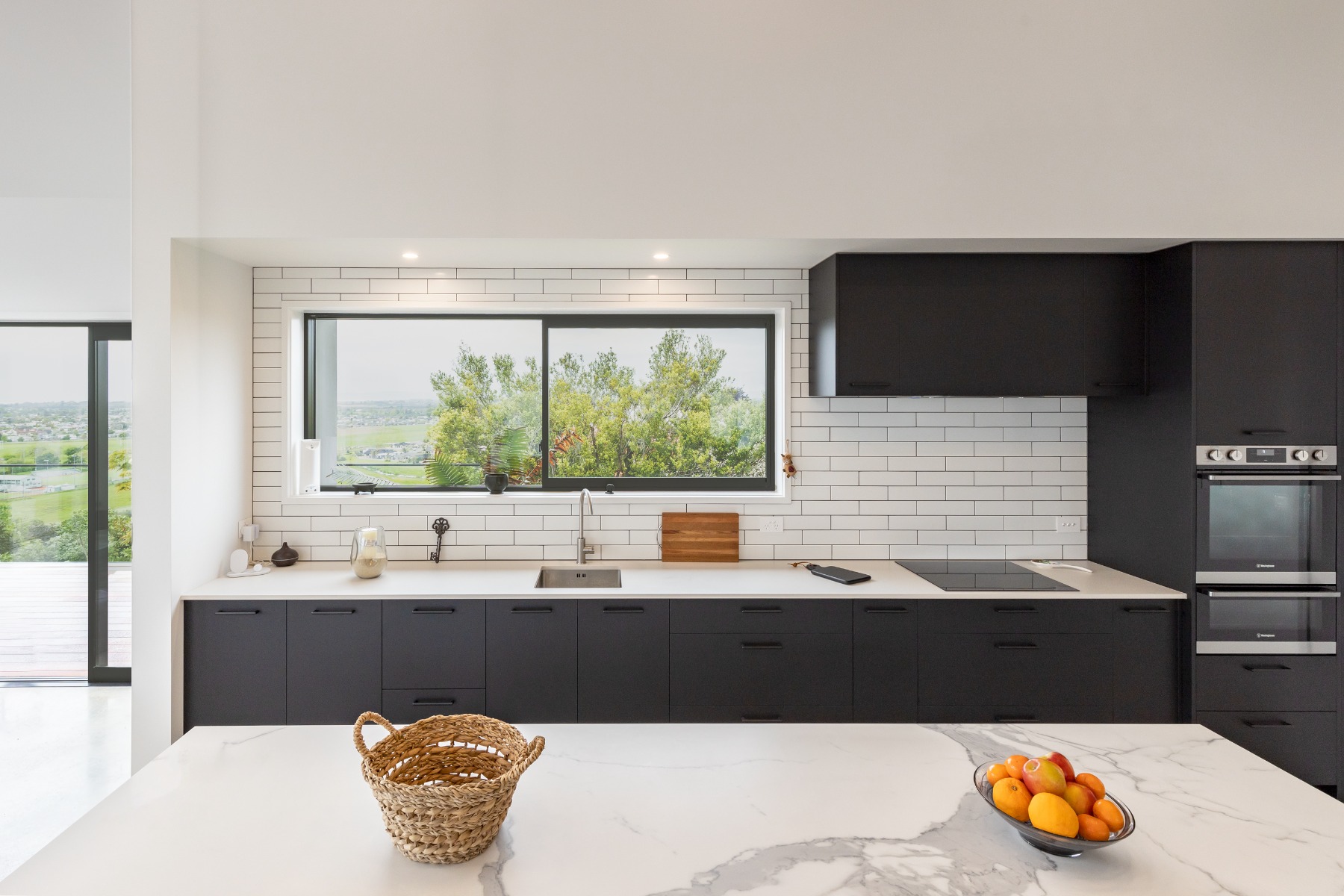
Porcelain benchtops are a popular choice due to their durability and aesthetic appeal. They offer several advantages to consider. Porcelain is highly durable, resistant to scratches, heat, and stains. It's also a hygienic choice as it doesn't harbour bacteria and is easy to clean. With a wide range of patterns and colours available, porcelain benchtops can complement various design styles. However, it's important to note that porcelain benchtops are generally more expensive and require professional installation.
Acrylic surfaces, on the other hand, are a versatile and cost-effective option. They offer affordability without compromising style. Acrylic can be moulded into different shapes and sizes, and it comes in a variety of different looks, allowing for customization. Acrylic surfaces are also easy to repair in case of minor damage. However, they are not as heat and scratch resistant as porcelain, and require regular maintenance and careful cleaning to prevent staining and surface wear.
In this article, we will delve into the pros and cons of each material, consider cost considerations, and durability, and explore their respective styles to help you make an informed choice for your kitchen upgrade.
-
Porcelain Benchtops:
Porcelain benchtops have gained popularity in recent years due to their exceptional durability and aesthetic appeal. They offer a plethora of advantages that make them a highly desirable choice for kitchen renovations. Here are some key characteristics to consider:
Pros:
- Durability: Porcelain is known for its incredible strength, making it resistant to scratches, heat, and stains. It can endure heavy impact, making it a long-lasting option for your kitchen benchtop.
- Hygiene: Porcelain is a non-porous material, which means it is resistant to bacterial growth and easy to clean. It provides a hygienic surface for food preparation and reduces the risk of stains and bacteria.
- Style: Porcelain benchtops offer a wide range of gorgeous patterns, colours, and finishes, allowing you to achieve various design aesthetics, from sleek and modern to classic and elegant.
Cons:
- Cost: Porcelain benchtops are generally more expensive compared to other materials, including acrylic. The higher cost is attributed to the material's quality, durability, and manufacturing process.
- Installation: Porcelain requires professional installation to make sure it’s done right. This can add to the overall cost when compared to a DIY solution.
-
Acrylic Surfaces:
Acrylic surfaces have gained popularity due to their versatility and cost-effectiveness. Let's examine their key attributes:
Pros:
- Affordability: Acrylic surfaces are generally more budget-friendly compared to porcelain. This makes them an attractive option for those seeking a stylish yet cost-effective kitchen upgrade.
- Versatility: Acrylic surfaces can be moulded into various shapes and sizes, offering flexibility in design. They are available in a wide range of colours and finishes, allowing for customization to suit different kitchen styles.
- Repairability: In the event of scratches or minor damage, acrylic surfaces can be repaired and restored easily. This can extend their lifespan and maintain their appearance over time.
Cons:
- Durability: While acrylic surfaces are durable, they are not as resistant to heat and scratches as porcelain. Care must be taken to avoid placing hot pans directly on the surface or using abrasive cleaning materials that can damage the finish.
- Maintenance: Acrylic surfaces require regular cleaning and maintenance to prevent staining and maintain their appearance. They can be more prone to surface wear and may require occasional polishing to retain their shine.
- Vulnerability to chemicals: Acrylic surfaces can be damaged by harsh chemicals, so it is important to use mild, non-abrasive cleaners to avoid discoloration or surface degradation.
Head-to-Head Comparison
Cost:
Porcelain benchtops tend to be more expensive than acrylic surfaces, primarily due to the material's quality and manufacturing process. While acrylic surfaces offer a more budget-friendly option, it's important to consider long-term costs, including maintenance and potential repairs.
Durability:
Porcelain benchtops are known for their exceptional durability, offering resistance against scratches, heat, and stains. Acrylic surfaces are durable as well but require more care to avoid damage from heat and scratches.
Style:
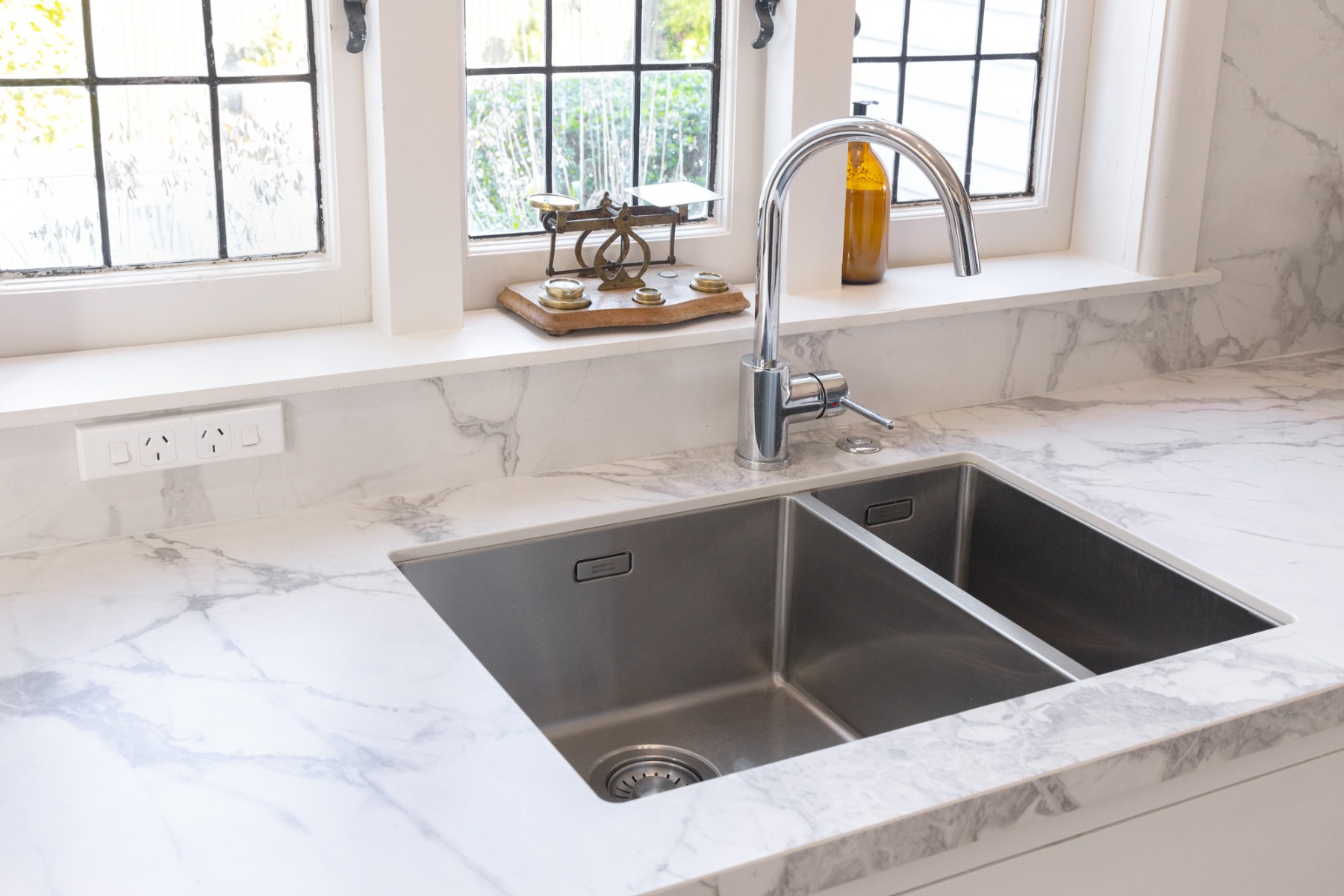
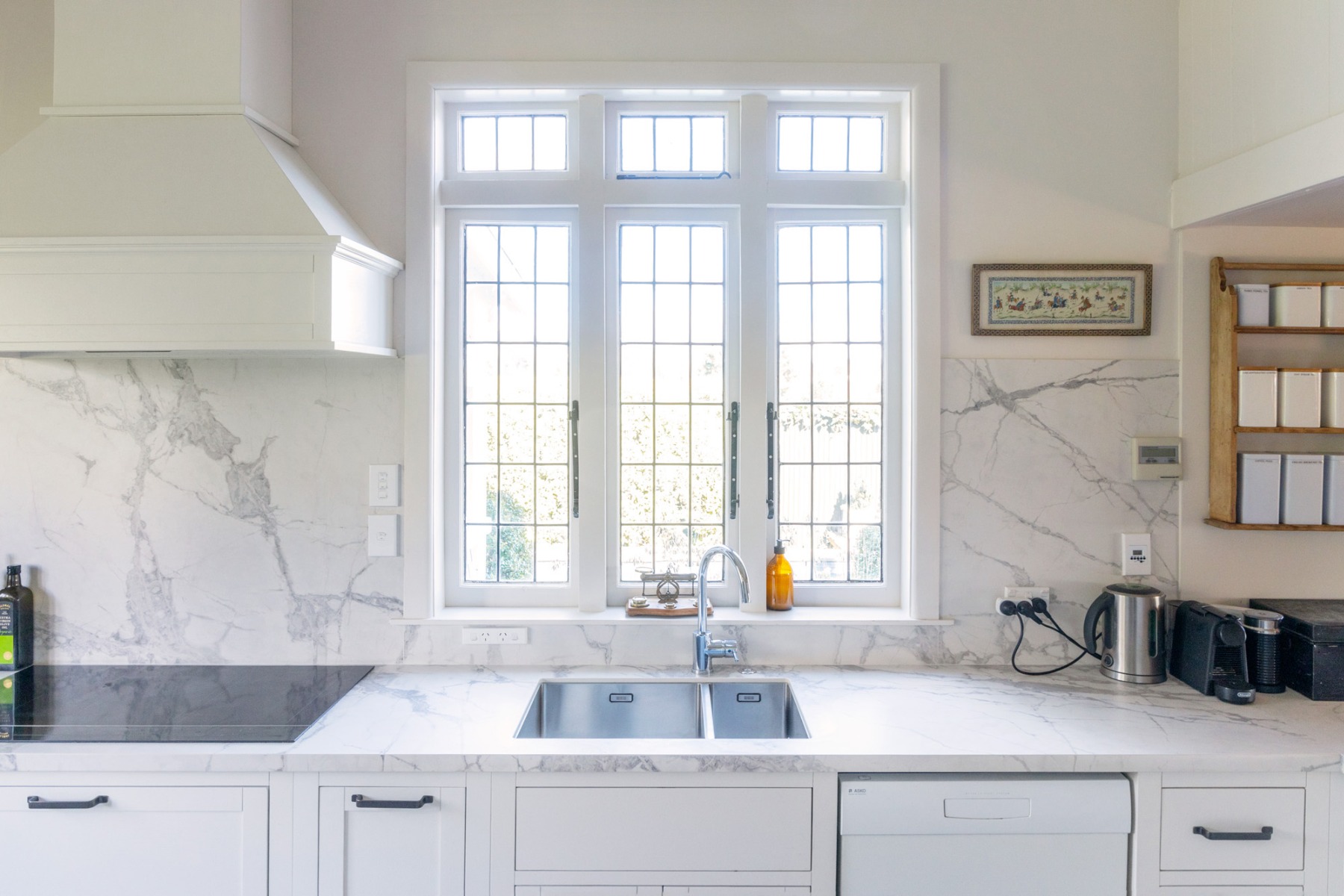
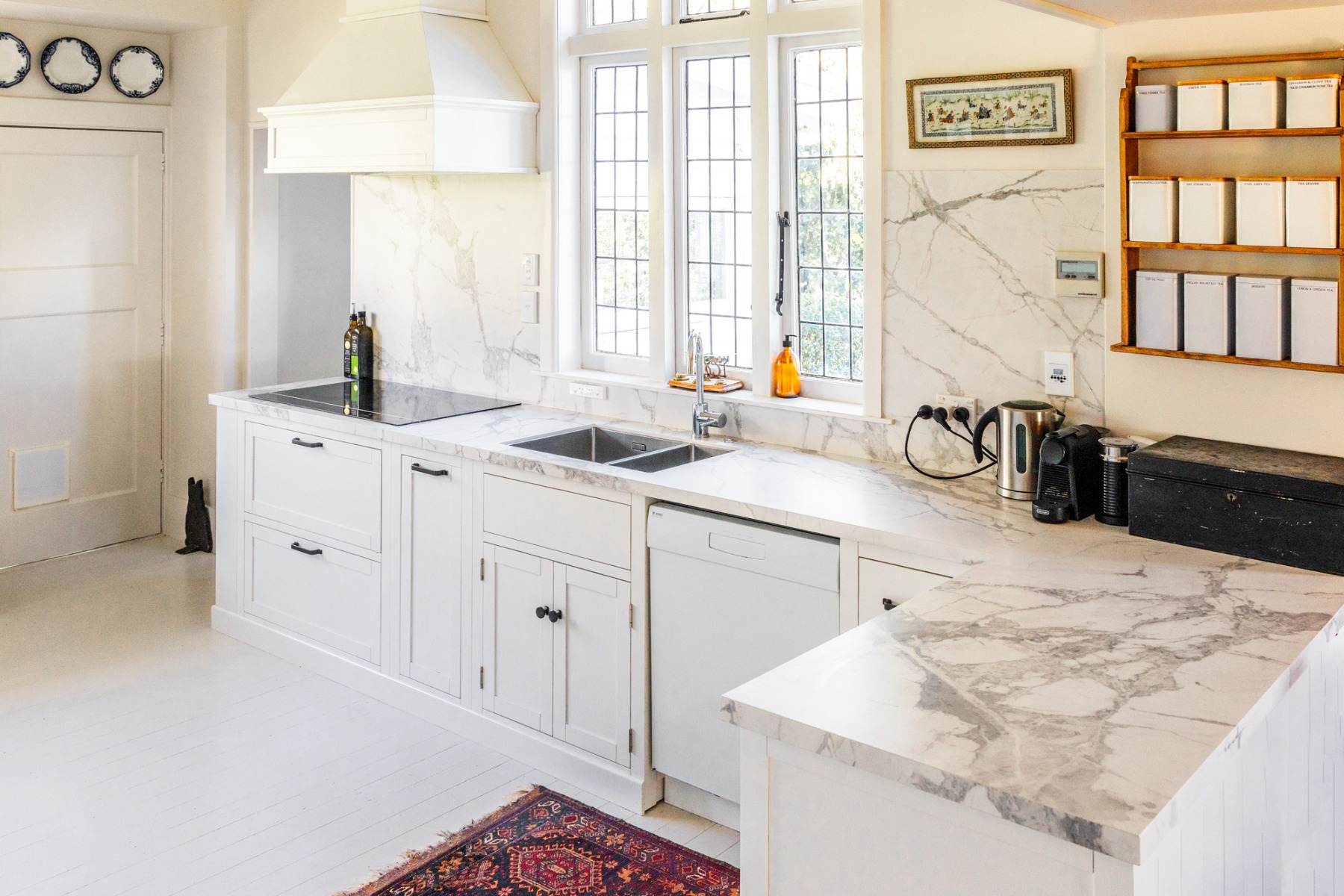
Both materials offer a wide range of styles and finishes. Porcelain provides a more luxurious and elegant appearance, with a variety of styles to choose from. Acrylic surfaces, on the other hand, offer versatility and the ability to be custom moulded, making them suitable for a modern and vibrant kitchen design.
Summary
Choosing between porcelain benchtops and acrylic surfaces for your kitchen depends on your specific requirements, budget, and desired style.
Porcelain benchtops offer outstanding durability, hygienic properties, versatile design options, heat and impact resistance, fade and UV resistance, eco-friendliness, and longevity. These numerous advantages make porcelain benchtops a top choice for homeowners seeking a high-quality and stylish solution for their kitchen remodels.
Alternatively, acrylic benchtops offer affordability, versatile design options, repairability, lightweight construction, and customization capabilities. These advantages make acrylic benchtops a popular choice for homeowners seeking a cost-effective solution for their kitchen renovations without compromising on aesthetics or functionality.
Get an Instant Benchtop Estimate
We hope this comprehensive comparison helps you make an informed choice for your kitchen upgrade. If you're interested in getting an estimate for a porcelain benchtop, we offer an instant estimate tool on our website.
Related Links
Porcelain Benchtops vs Engineered Stone: What are the 10 Main Differences? (Comparison)
How to Buy a Benchtop that Fits Your Family Needs for 2023 and Beyond
3 Common Problems with Concrete Benchtops (And How Porcelain Can Be a Better Alternative)
What We Learned from Researching Marble Vs Porcelain and Why it’s Important for You
What’s the Difference Between Archant Porcelain vs Sintered Stone? A Detailed Comparison
Archant Porcelain vs Neolith Benchtops (A Comparison Guide)
A Review of Porcelain vs Laminate Benchtops (Cost, Style and Durability Comparison)
Which is the Best Benchtop: Concrete, Porcelain, or Quartz (Comparison)
7 Key Differences Between Porcelain and Corian Benchtops (Review and Comparison)
An Honest Review of the Best Kitchen Benchtops on the Market