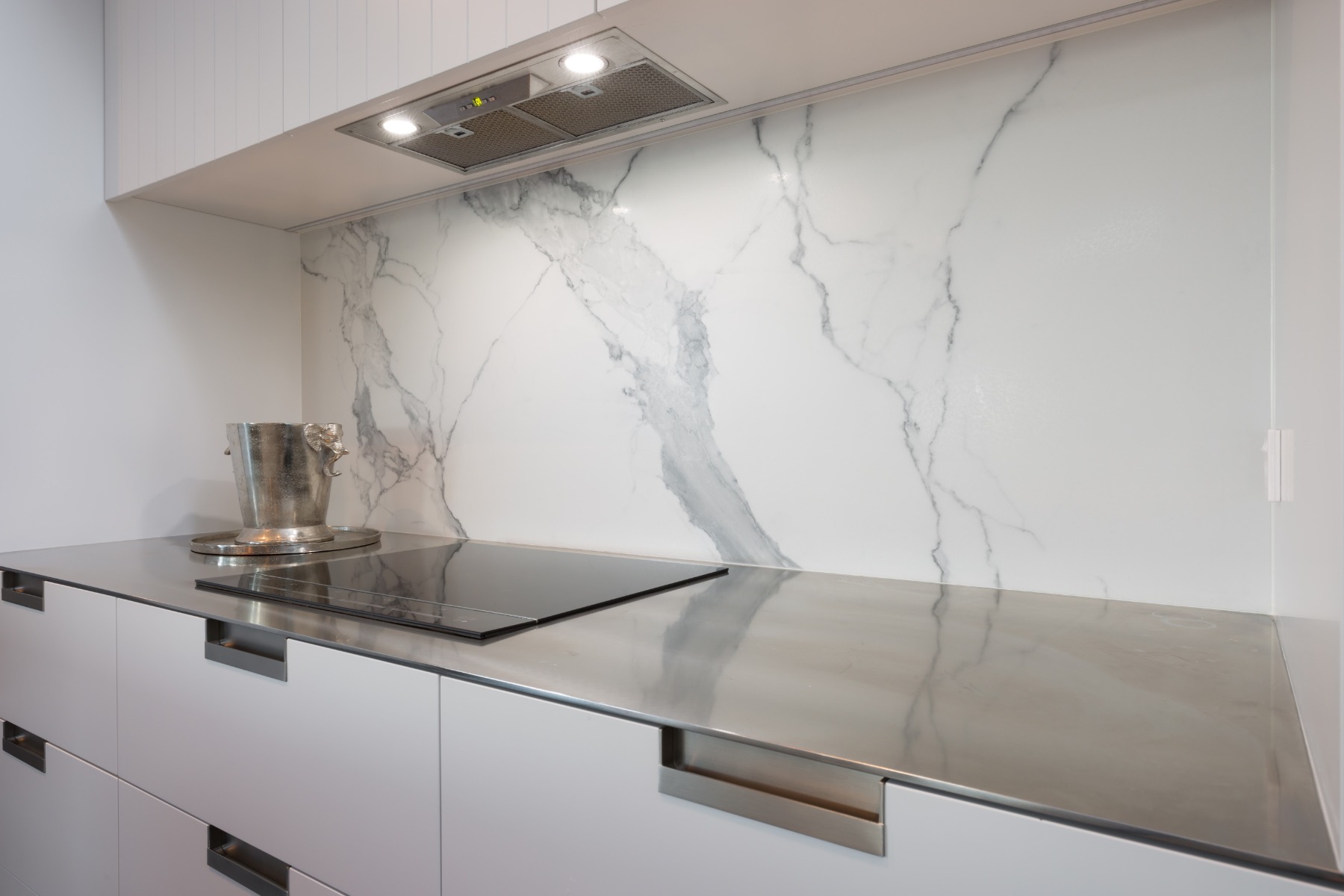

How to Keep Your Benchtop Free of Bacteria and Other Unseen Hazards
How to Keep Your Benchtop Free of Bacteria and Other Unseen Hazards
Whether you’re the chef in your home, or the person simply enjoying the meals, the last thing anyone wants is harmful bacteria breeding on the kitchen benchtop. At Archant, we’re all about sharing ideas for great design. Yet, we also recognise just how important health and safety are in your home and place of business.
To help you keep your food prep environment healthy, we’ve created this article with detailed maintenance tips. We’ll look at the best practices for the most popular benchtop materials in New Zealand. From the basic clean-up routine to the more involved deep cleaning techniques, each type of surface requires a slightly different approach.
Not only will these methods prevent nasty germs and other hazardous elements, but they will keep your benchtop looking great as well. Yes, the way you clean your worktop can make all the difference between a dull finish and something more lustrous. Let’s dive in!
To Seal or Not to Seal?
There is a common question that new buyers often ask. “Will I need to seal this benchtop?” The answer ultimately depends on what the surface is made of. There are essentially two categories to differentiate between: non-porous and porous.
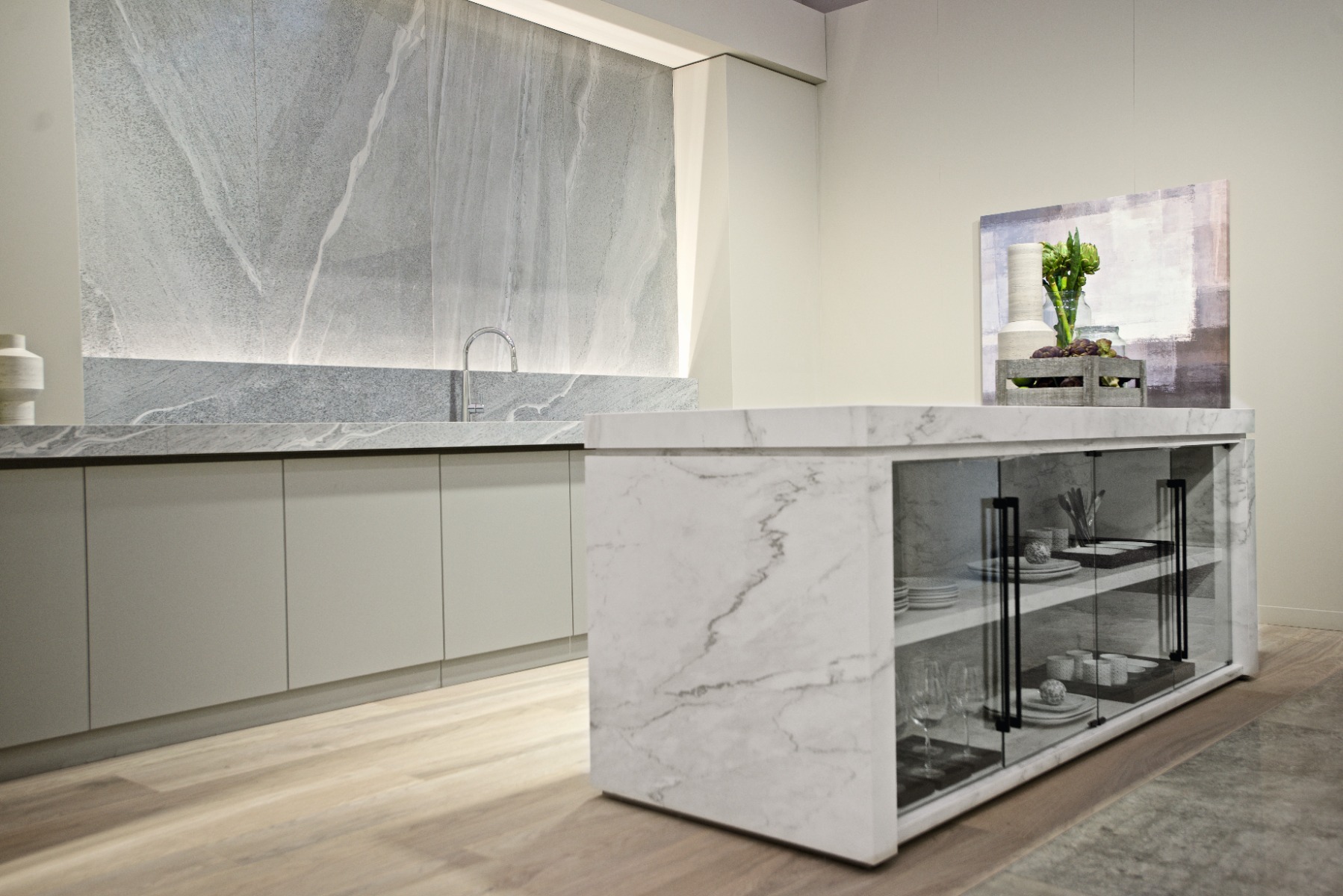
Non-porous surfaces don’t require sealing as bacteria and liquid can’t get trapped or hide in the tiny pores of your bench. This makes for easier clean-up as well since any spills are neatly held on the surface.
Since non-porous counters are impervious to liquids, they are quite resistant to staining. It’s this quality that makes them a highly sought material for kitchen benchtops, islands, and splashbacks.
Here is a list of some popular non-porous benchtops that don’t need to be sealed:
- Porcelain
- Quartz
- Caesarstone®
- Dekton
- Stainless Steel
- Laminate
Porous Surfaces
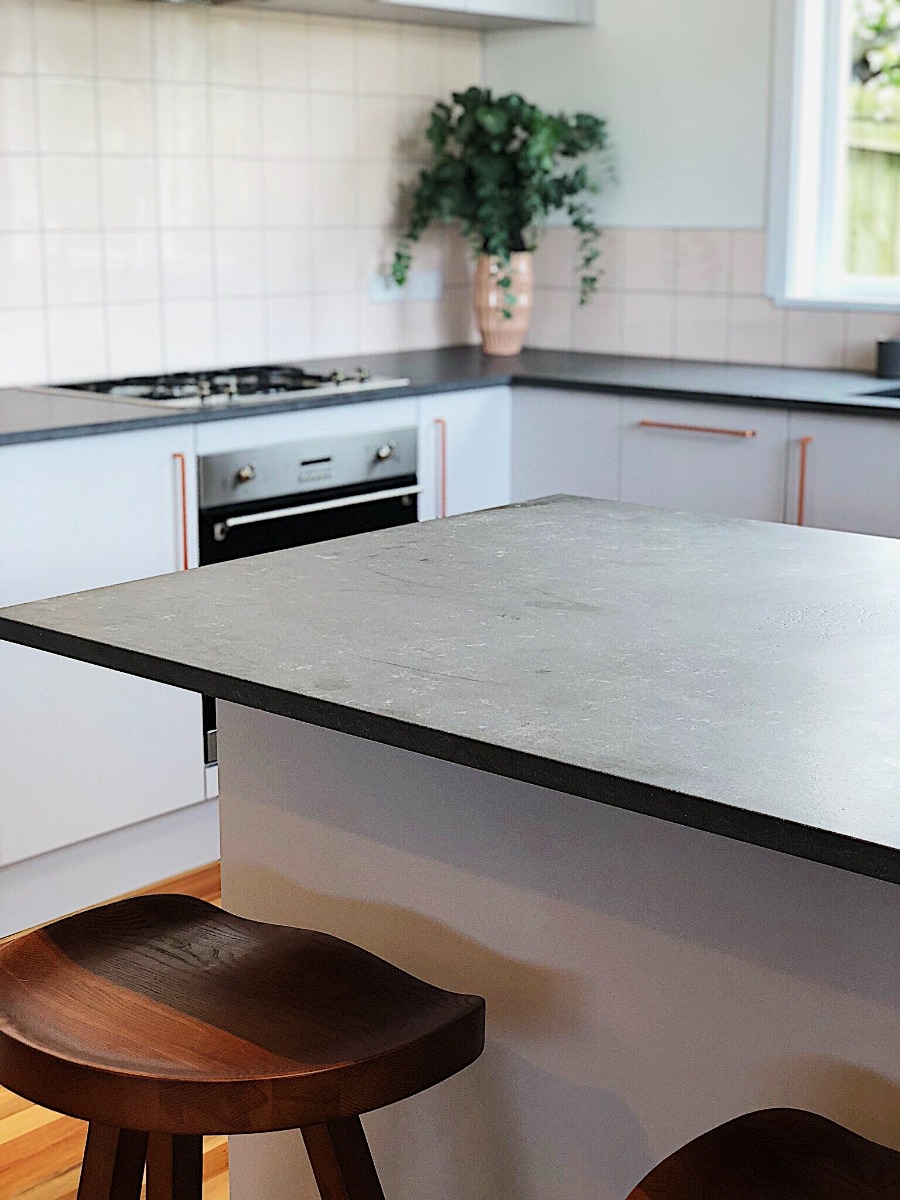
Next, we turn our attention to porous surfaces. With these options, it’s essential to apply a special sealant once or twice each year. This will help prevent germs from infiltrating the benchtop and prevent water and other spills from staining or marring the finish.
The type of sealant, frequency of application, and method can vary based on your specific material. A few common solutions include penetrating sealants, water-based sealers, and solvent-based sealants. If this seems like too daunting of a task, you can hire a professional to apply the sealant for you. So, while we love the look of the following surfaces, it’s important to understand the extra maintenance required to protect them.
An example of benchtops that require annual sealing:
- Granite
- Marble
- Concrete
- Timber
- Limestone
- Travertine
- Onyx
How to Keep Your Benchtop Clean Without Ruining the Finish
Just as every benchtop has its own unique look and feel, the recommended cleaning products vary for many of the materials. These general guidelines are gentle enough to do a great job without harming your finish. Of course, it’s best practice to check with your supplier about the specific material in your home.
- Cleaning products with scratching-type agents are usually much too harsh for most benchtops. The one exception is stainless steel as JIF can be effective on occasion. For everything else, it’s too harsh of a solution and will remove the finish of your surface. This is truly difficult, if not impossible to repair.
- Likewise, it’s best to avoid scratch pads and other brillo-type products to remove food and other stubborn stains. A soft, lint-free sponge or cloth is the safest way to approach these tasks. Warm soapy water will usually be an effective method for daily cleaning needs.
- Bleach is well known for its germ-killing qualities, but it’s to be avoided on most benchtops. It’s been known to leave white streaks on a benchtop, or a dull, cloudy appearance that’s difficult to revive.
- Periodically, it helps to complete a deep clean with a product that’s specifically made for your benchtop material. For example, Archant sells a Porcelain Surface Cleaner. It’s effective for cleaning ceramic surfaces such as kitchen benchtops, countertops, vanity tops, and porcelain tiles. For engineered stone, you’ll want to check out this kit which includes a cleaning spray and polishing cloth. There are similar types of products for just about every benchtop material on the market today. Again, be sure to follow the manufacturer’s recommendations to avoid damaging your surface.
- Be aware that liquid stains left to sit overnight can mar the finish. This is especially true with acidic beverages including wine, coffee, tea, and citrus. Not to worry, non-porous, and sealed worktops can handle the inevitable spills, but we recommend attending to them sooner than later.

Download Our Free Benchtop Care and Maintenance Guide
At Archant, we want our clients to enjoy their benchtops for the long term. To help make the most of your surface, this free brochure includes details for cleaning and maintaining both porcelain and quartz counters. Of course, if you have any further questions, you can get in touch here. We are always happy to assist.
Related Links
The Pros and Cons of a Quartz Benchtop and Why They May Be a Great Fit for Your Kitchen
3 Common Problems with Concrete Benchtops (And How Porcelain Can Be a Better Alternative)
What You Don’t Know About the Durability of Porcelain
Benchtop Review: Is Granite Right for Your Kitchen?
7 Answers to the Most Frequently Asked Questions About Porcelain
Everything You Wanted to Know About the Archant Porcelain Lifetime Warranty