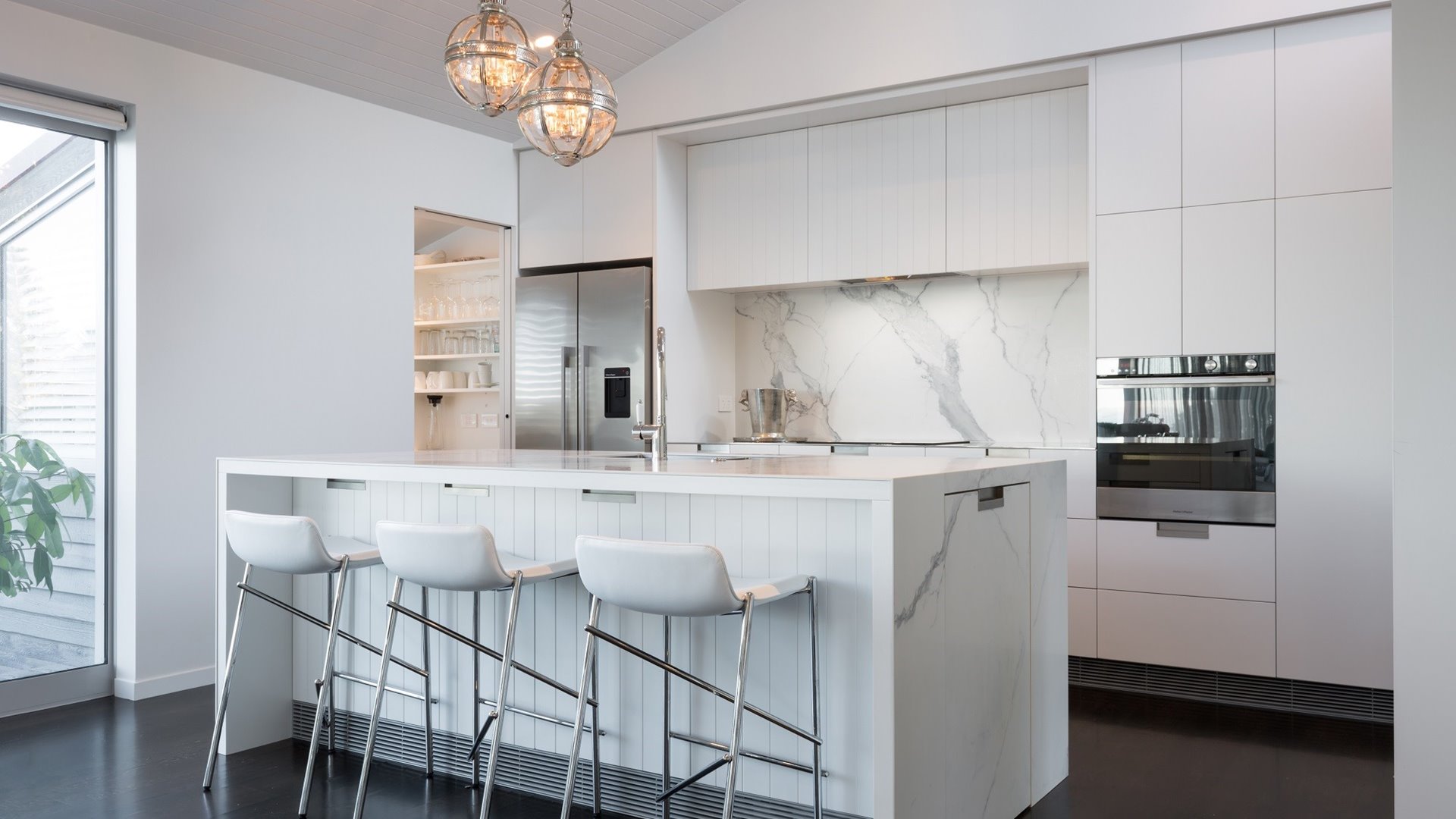

How to Buy a Benchtop that Fits Your Family Needs for 2023 and Beyond
How to Buy a Benchtop that Fits Your Family Needs for 2023 and Beyond
If you’ve been living with a benchtop that’s worn, damaged, and well past its expiration date, you may be researching how to best proceed. As you search the various materials available in New Zealand, you’ll likely be a bit overwhelmed by all the options on the market today.
From the most basic laminate selections to concrete, natural stone, engineered stone, and everything in between, it’s no wonder potential buyers are confused.
At Archant, we believe the best benchtop is not necessarily the most on-trend option, but the material which best fits your family’s needs. How do you use the benchtop in your household? If it’s something that takes daily abuse, durability will be a key factor.
If you’re an aspiring chef, then conveniences like heat, stain, and scratch resistance will be prominent considerations. Of course, there’s also the style you envision, and finally, the budget you’re working with.
When viewed together, each of these aspects forms a clearer picture of the ideal benchtop for your home. The kitchen is after all, the space we spend a large majority of our time in.
Whether you’re cooking, entertaining, or dining, the overall look, and feel deserves special attention. In this article, we’ll reveal the top 5 questions you need to answer when buying a benchtop in New Zealand. Here are the areas we will be looking at:
- Durability
- Features
- Longevity and Warranty
- Style
- Cost

1) Consider the Durability and Maintenance Requirements
The first question you’ll want to ask is what type of cooking do you commonly enjoy? The answer will play a big part in determining the benchtop material you should choose.
As an example, if you regularly host large gatherings where food and beverage spills will be left to sit for a while, a non-porous surface would be advantageous. In this case, consider porcelain or quartz as opposed to natural stone or cement surfaces which are porous and prone to staining.
As part of the durability conversation, you’ll also need to factor in the maintenance required to keep your benchtop in good condition. If you prefer a more hands-off approach, then you’ll want to avoid granite and cement which need to be treated with special sealants.
Meanwhile, engineered stone such as porcelain and quartz are some of the easiest surfaces to clean. Since they’re non-porous, all that’s needed is warm soapy water and a soft cloth. If you prefer to avoid harsh cleaning solutions, this is a great way to go.
2) What Benchtop Features Really Matter in Your Kitchen?
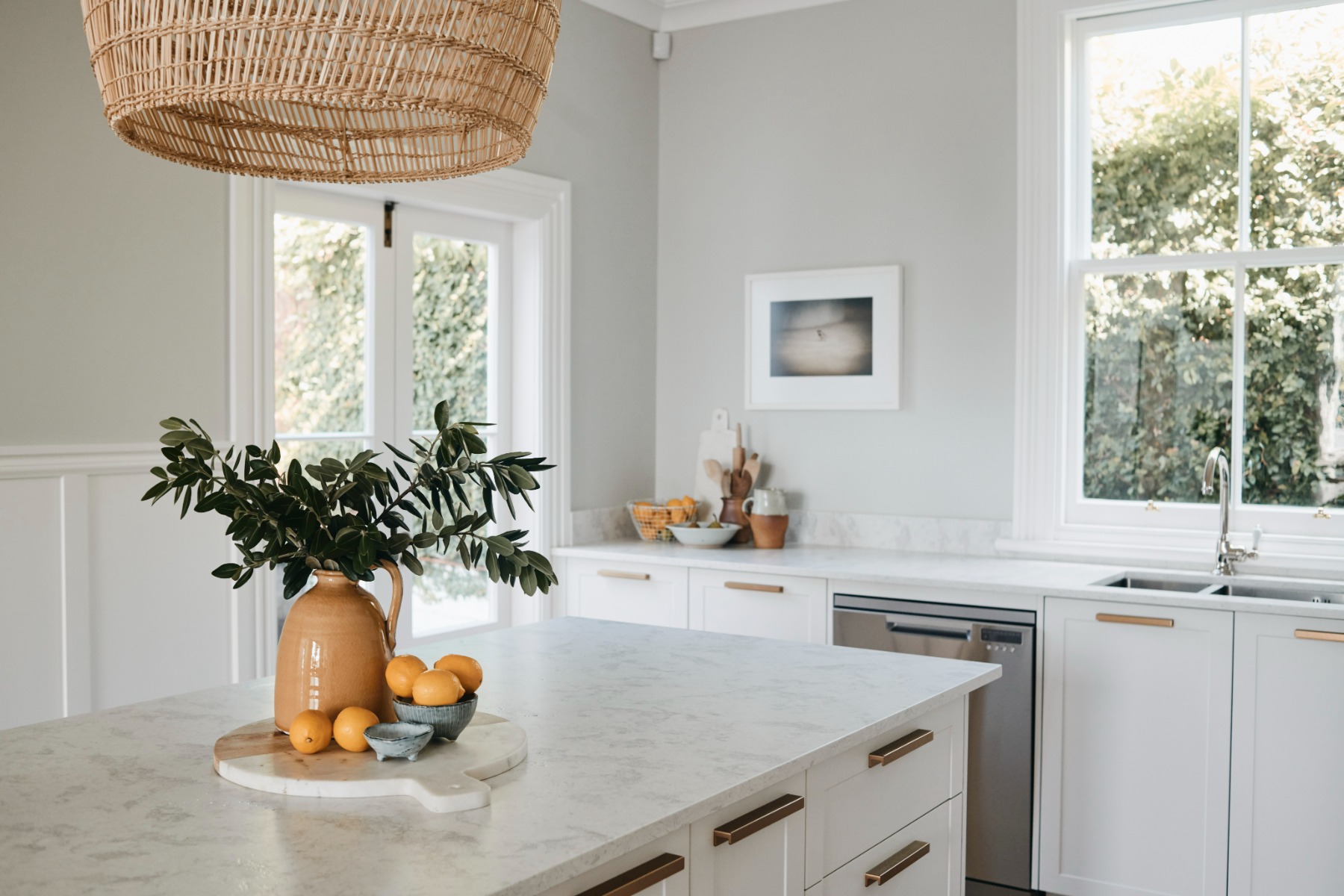
Your cooking routine and meal prepping habits are excellent indicators of which benchtop material is suitable for your family. If you’re routinely juggling hot cookware and trivets with limited space, then a surface with excellent heat resistance makes a lot of sense.
Porcelain is renowned for this quality, making it a favourite for many of our clients in New Zealand. There’s no need to worry about damage from heat or thermal stress with this unique material.
For most other surfaces, you’ll need to protect the counter or risk burning it, or worse yet, damage from thermal shock. Concrete for example can tolerate high heat momentarily, but once it cools, the cement shrinks and creates hairline cracks. Laminate would also burn, as would quartz, and natural stone such as marble.
What about scratches? If you want to chop your veggies directly on the surface, porcelain is the only way to go, as it’s highly resistant to both. And while many alternatives offer varying levels of scratch resistance, most manufacturers recommend a cutting board. Again, you’ll want to consider your cooking routine to pick the benchtop material that works with you, not against you.
3) How Long Do You Want it to Last?
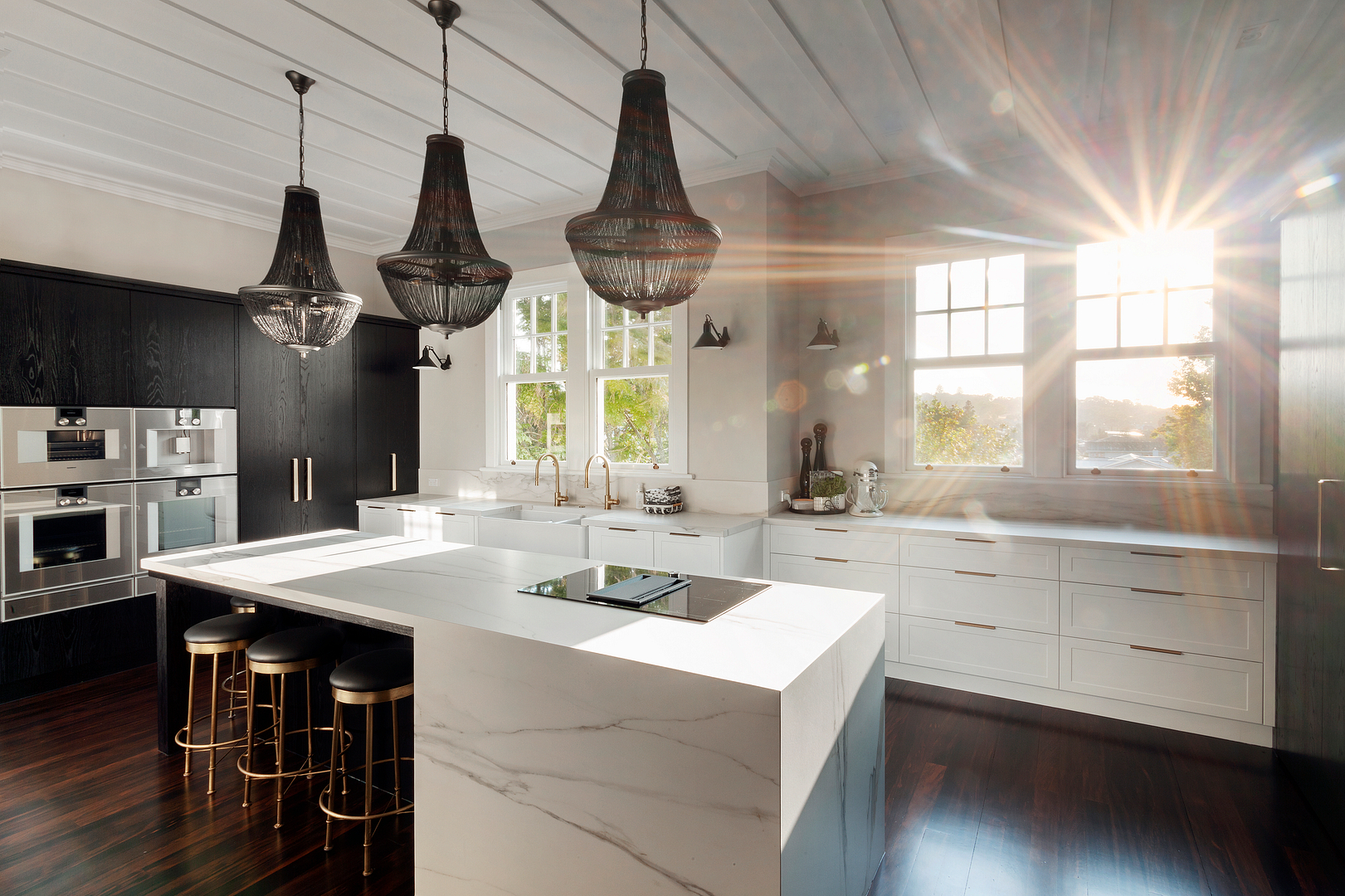
You don’t want to invest in a new benchtop only to find it needs replacing in a few years. Laminate will show wear quickly, and is more prone to damage from water, heat, stains, and scratches. Concrete, while solid, is also vulnerable to these issues.
Quartz is a strong option and comes with a 12-year warranty, but the resins mixed into the surface can burn when contacted by hot pots and pans. Porcelain is quite special, as it’s built to last for the foreseeable future. All Archant porcelain benchtops, for example, come with a lifetime warranty for added peace of mind.
If longevity is a key concern, we would suggest choosing a higher quality material such as Archant Porcelain, or Dekton. Be sure to check with your supplier for the most current information on warranty duration as they can vary.
4) What Kind of Style Do You Want to Create?
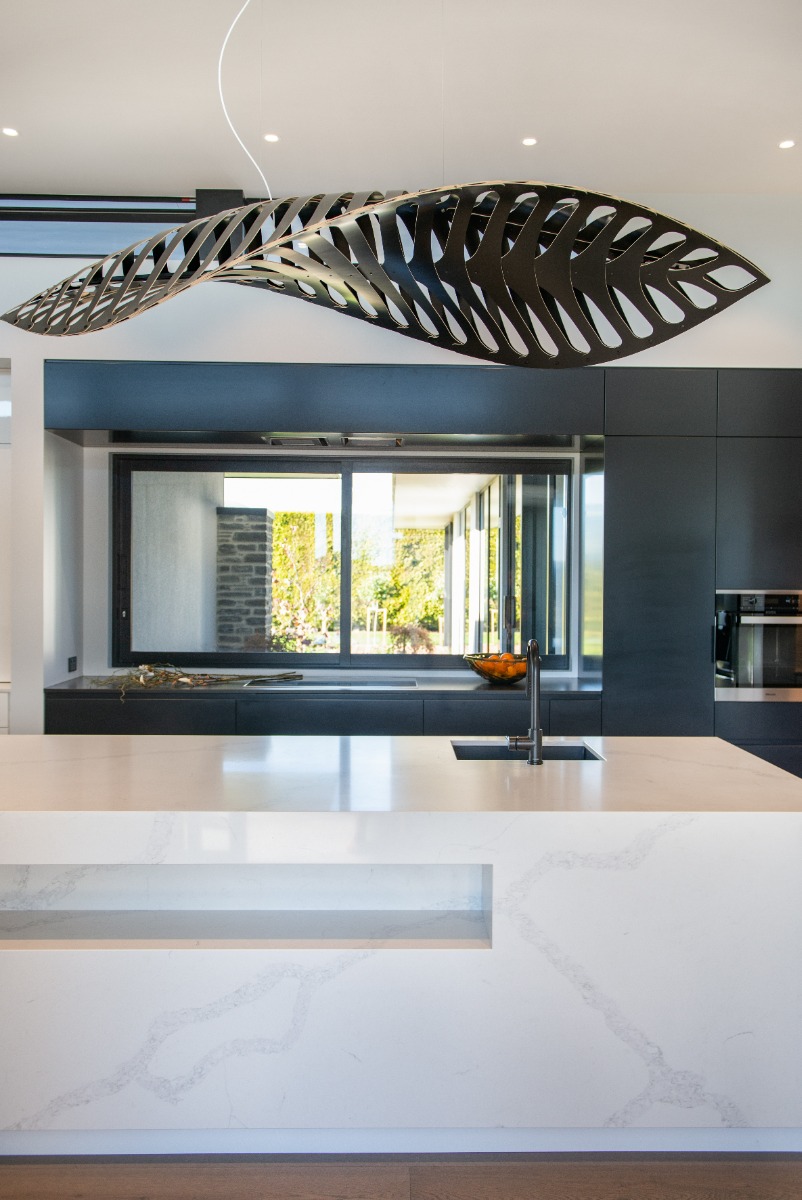
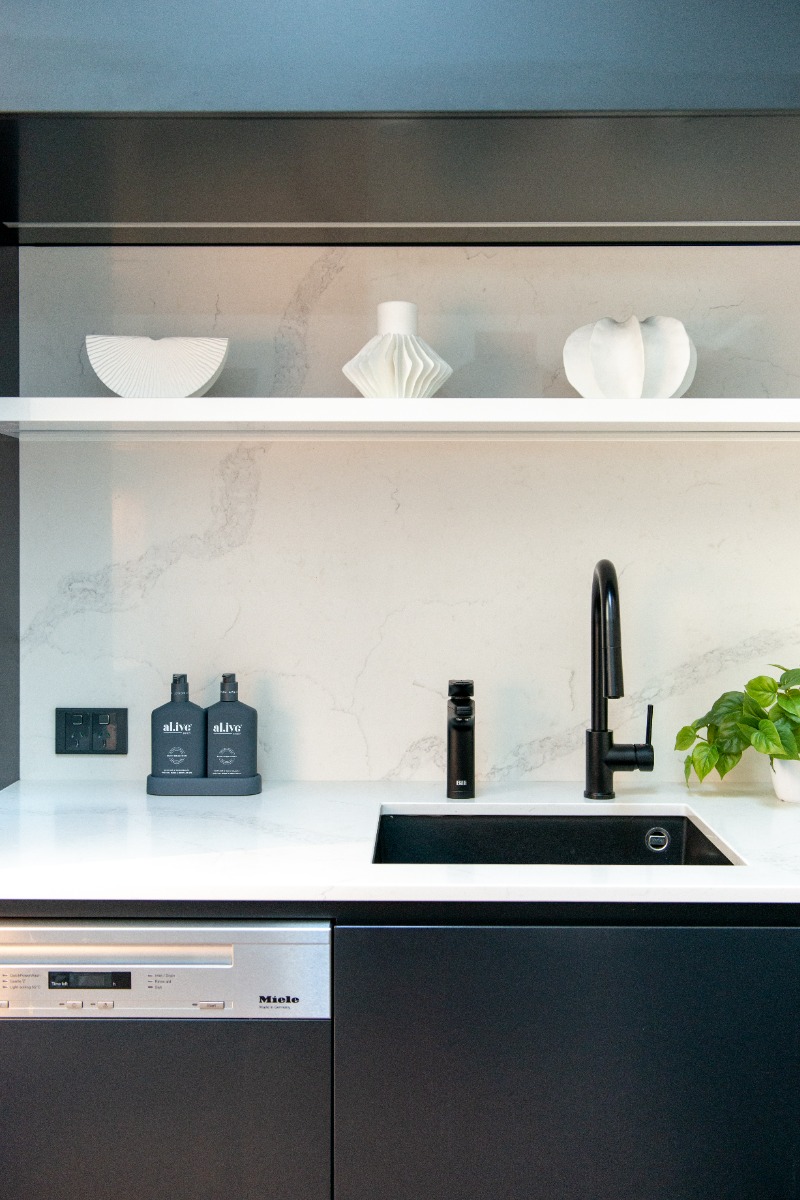
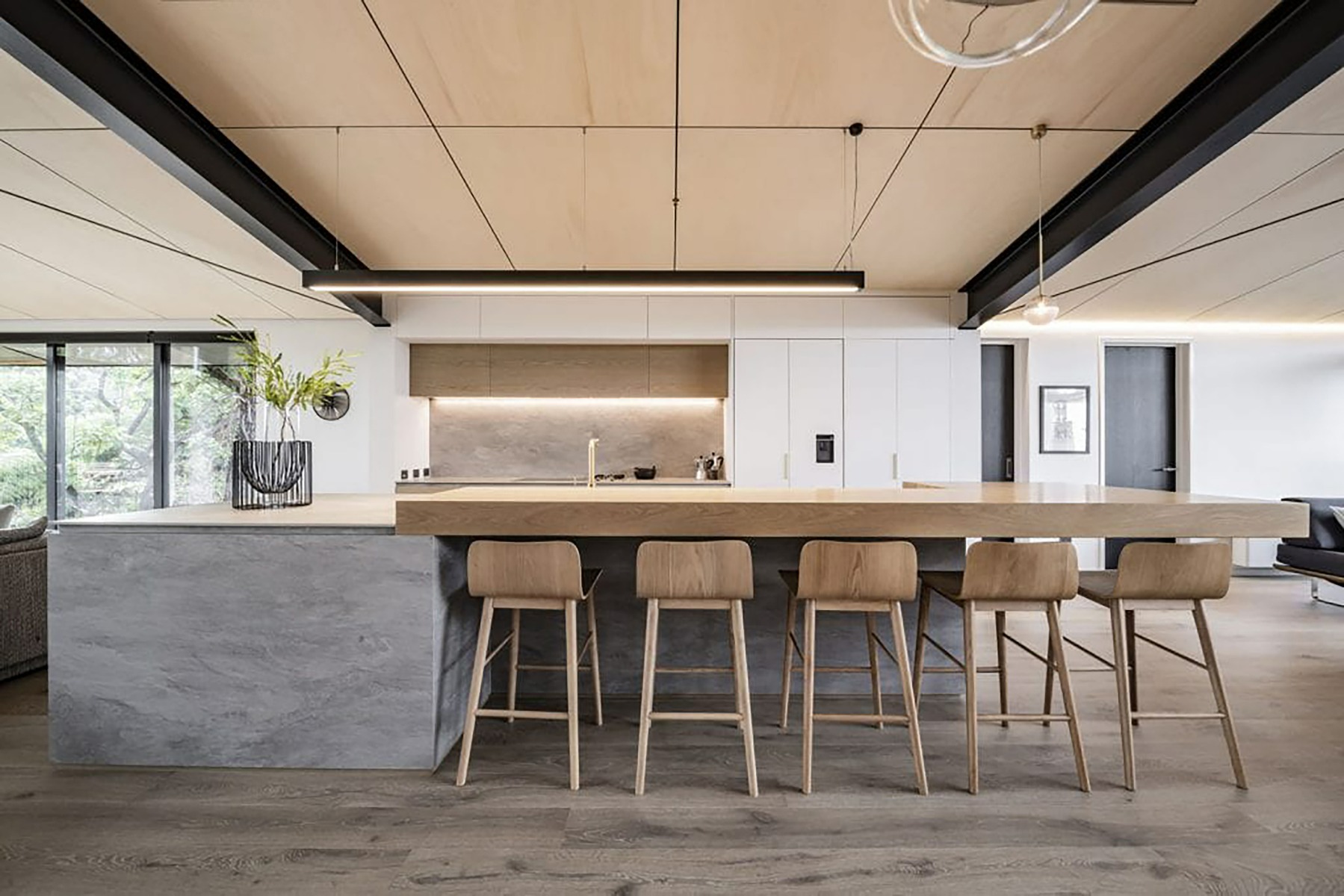
Now that we’ve discussed durability, features, and longevity, let’s turn our attention to the very important consideration of design. What kind of style do you want to create in your home? As the centrepiece of your kitchen, the benchtop will set the tone for the entire space. Although it’s a critical decision, there are more options than ever before, making it difficult to narrow down the best choices.
The good news is all these materials feature beautiful designs, patterns, and colours. Even laminate which was once quite basic has seen recent improvements in style. If you’re looking to upscale the benchtop, you can choose from Corian, Caesarstone®, Dekton, Granite, Marble, Cement, Quartz, Stainless Steel, Cement, and Porcelain.
All of these can be stunning additions to any kitchen. Since these are so closely matched in terms of beauty, it’s impossible to choose purely based on looks. You’ll ultimately need to weigh all the above characteristics to make an educated decision.
5) The Final Consideration, Benchtop Costs
We make every attempt to provide the most accurate pricing information, but as the market shifts, so too can cost estimates. The final price will vary depending on colour, location, supplier, stock levels, and more.
The budget allocated for your project will most certainly be a critical part of your benchtop selection process. Four things you’ll want to take into consideration will be:
- Price of raw materials
- Cost of installation
- Product availability and timeliness of install
- Cost of ownership (maintenance needs)
Each one of these materials has an advantage in one or more of these areas, but the overall value is a combination of all the factors noted above. For example, in terms of raw material cost, laminate is on the lower end of the scale when compared to engineered stone. Still, it won’t last as long, and will likely need to be replaced sooner, making it more costly in the long run. Natural stone is on the higher end of the price scale, but also requires annual upkeep to maintain its beauty.
Porcelain is somewhat of an outlier, as it’s priced in between these options without requiring special care. As an added benefit, the advanced technology of porcelain benchtops allows the pattern to be ingrained into the surface. This means it can take on the appearance of marble, cement, and more without the added cost of these products. Archant’s porcelain slabs are made in Italy but are readily stocked here in New Zealand for timely installation in your project.
Again, you’ll want to talk with your supplier about installation costs which can vary greatly. Most of the products we noted should be installed professionally for the best results.
Order Free Porcelain Samples for Your Next Project
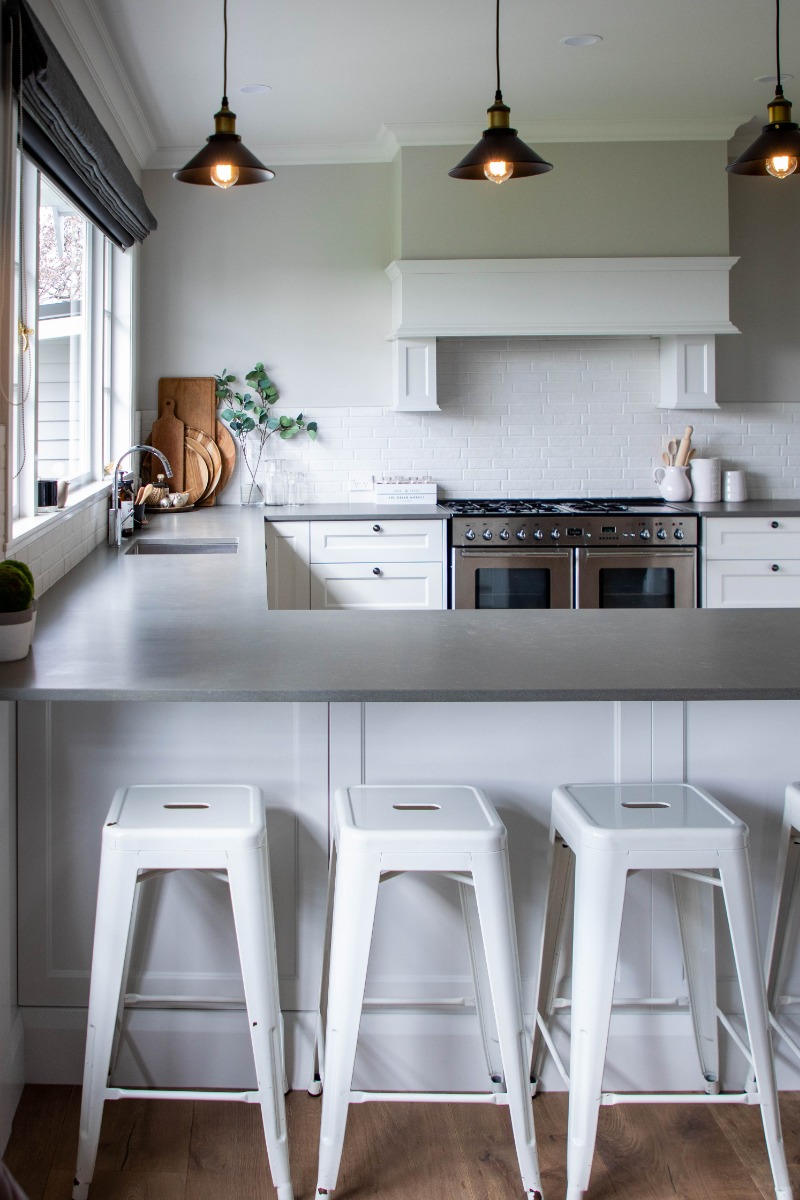
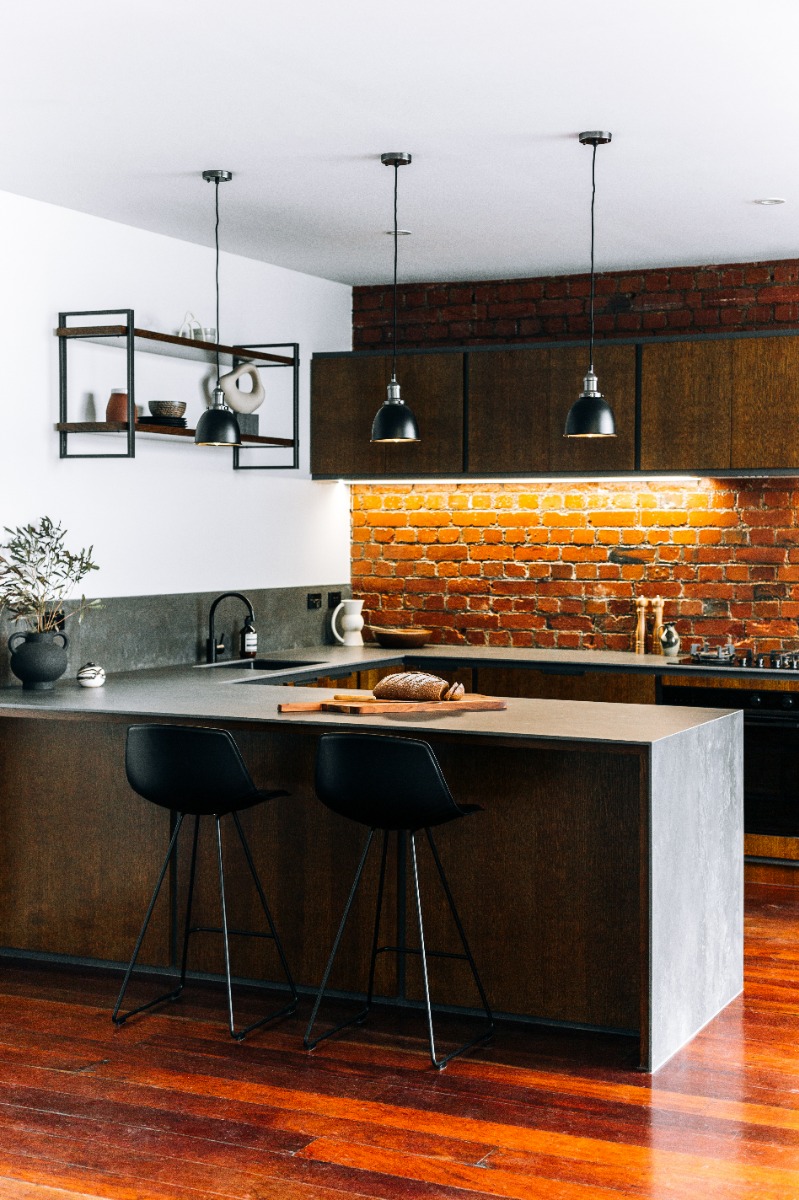
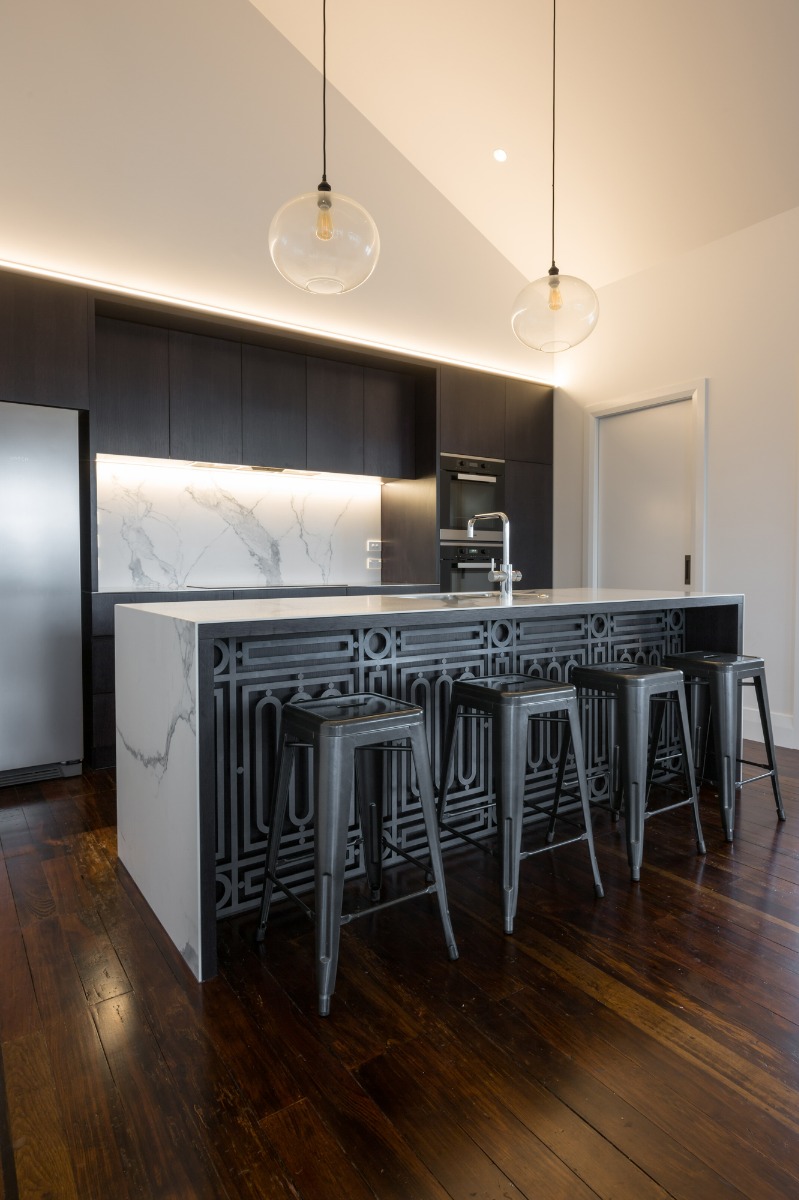
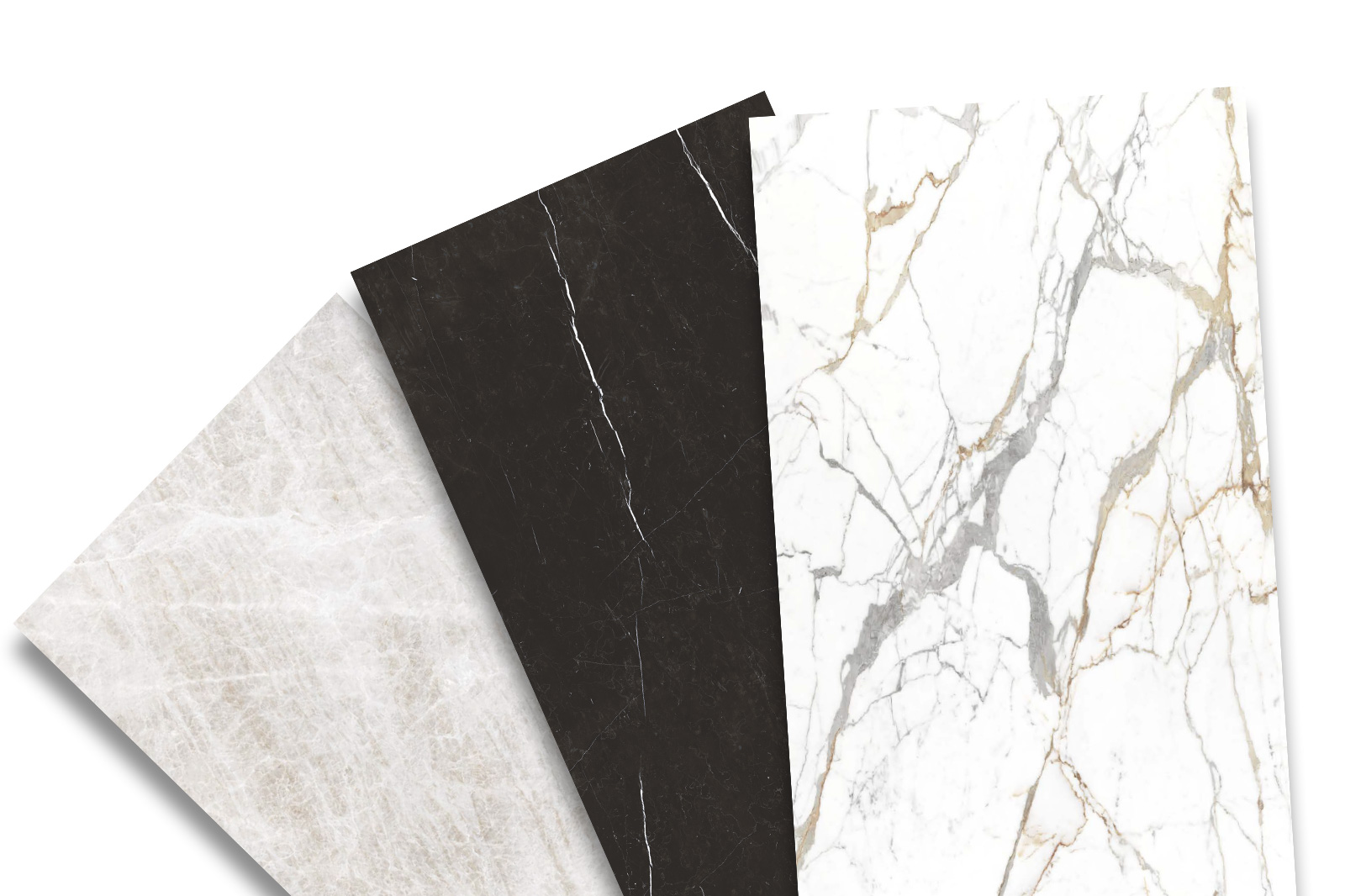
You are well on your way to transforming your kitchen with a new benchtop. To help finalise your decision, why not order a few free samples of our porcelain slabs? They are quite helpful to compare and match with your colour palettes. Our samples also offer a unique opportunity to feel the quality of this world-class surface. We have over 22 styles to choose from including a wide variety of gorgeous patterns and finishes. Place your free order here.
Related Links
What We Learned from Researching Marble Vs Porcelain and Why it’s Important for You
What’s the Difference Between Archant Porcelain vs Sintered Stone? A Detailed Comparison
6 Common Mistakes to Avoid Making with a Porcelain Benchtop
What You Don’t Know About the Durability of Porcelain
3 Common Problems with Concrete Benchtops (And How Porcelain Can Be a Better Alternative)
How to Use Porcelain to Create Long Lasting and Stylish Commercial Spaces
7 Answers to the Most Frequently Asked Questions About Porcelain
How to Optimise Porcelain Sheet Size for Kitchen Benchtops and Island Design (A Complete Guide)
Everything You Wanted to Know About the Archant Porcelain Lifetime Warranty
How to Design a Durable Overhang for Your Porcelain Benchtop and Kitchen Island
Porcelain vs Quartz Benchtops: Which is the Best Surface For Your Kitchen? (Comparison)