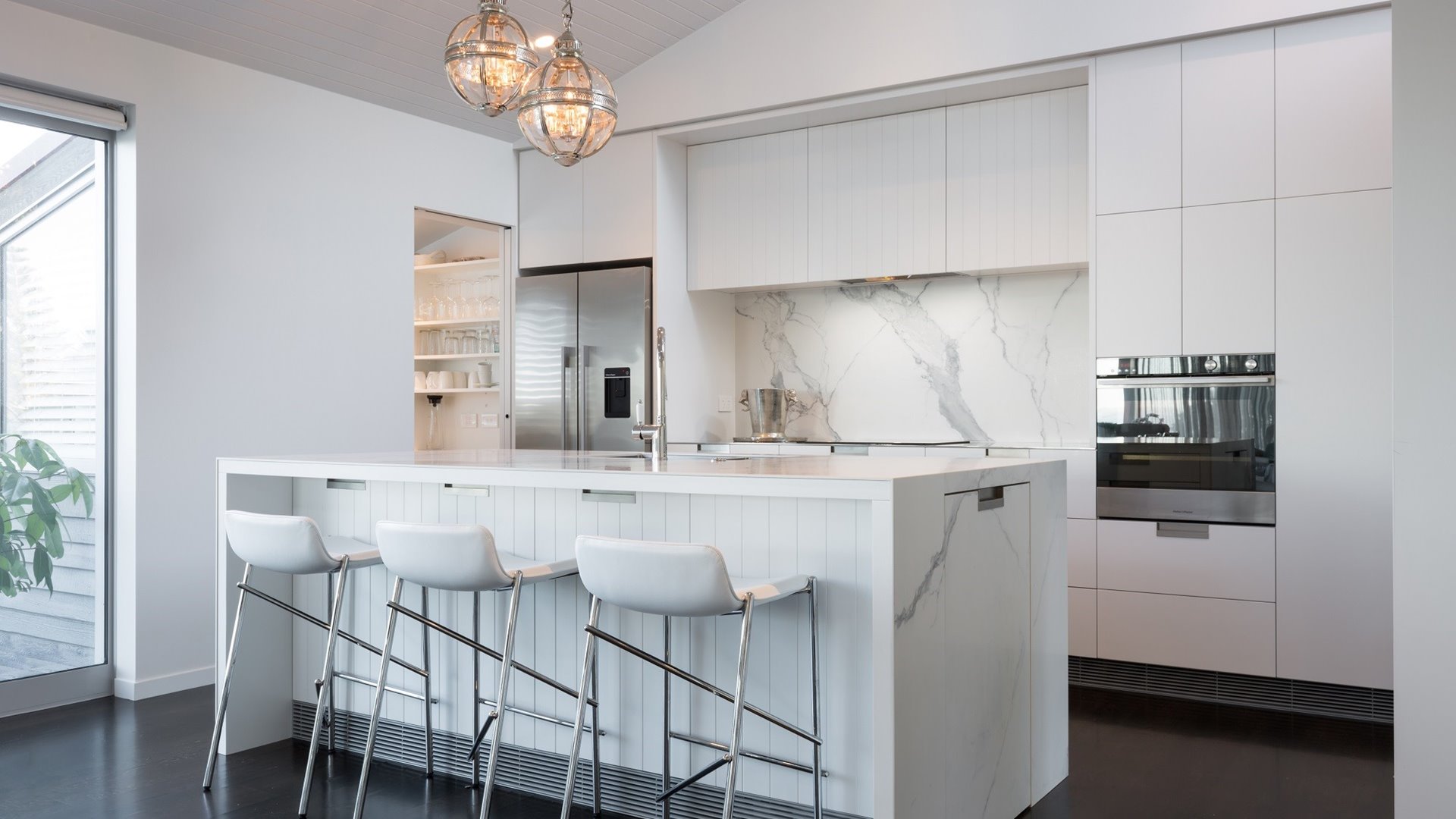

Comparing Porcelain vs Engineered Stone and Concrete Worktops in the Modern Age
Comparing Porcelain, Engineered Stone and Concrete Worktops in the Modern Age
What’s better, porcelain, quartz, or concrete? It’s a question we hear often. Of the three, porcelain and quartz are the most similar as both are made from engineered stone. Concrete benchtops on the other hand are made by pouring concrete into a mould. While the craftsmanship differs, they are all viable options for today’s homeowners. None of these popular benchtop materials are new, but that doesn’t mean they haven’t evolved over the years.
In terms of style, all three can raise the appeal of a kitchen. This of course is only part of the story. To understand the big picture, it’s essential to learn the advantages and limitations of each material. At Archant, we spend a great deal of time researching and discussing various benchtop solutions. We also hear real-world testimonials from those who have used these materials in their homes. With all of this input, a general sense of the pros and cons of each has bubbled to the surface. If you’re on the fence between porcelain, quartz, or concrete benchtop, you’ll find value in this informative article.
With advances in benchtop technology, fabrication processes, new colours, and styles, 2023 is shaping up to be a great year for beautiful kitchen design. Other considerations like cost, durability, and maintenance are also of critical importance. By the end of this comparison, we trust you’ll have a deeper understanding of each.
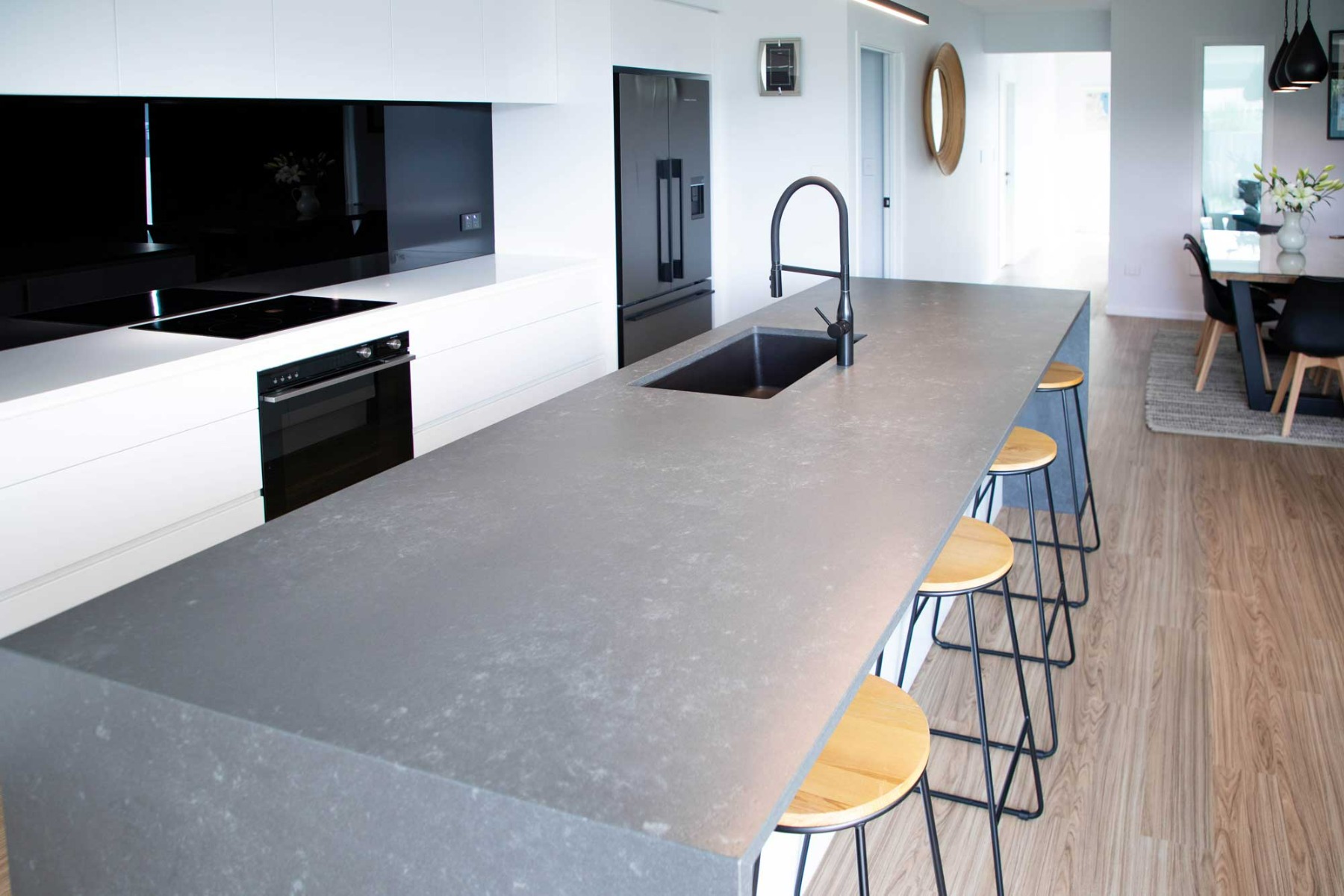
Concrete Benchtops Are Beautiful but Not Without Challenges
We predict that concrete benchtops will remain popular in 2023. On the positive side, they are stylish and unique with a wide variety of colours and patterns. If handled carefully, they can last many years. This material also offers substantial design flexibility as the frame can be crafted in nearly any way to set the mould for the concrete. All of these are welcome benefits of concrete benchtops, but they are not without some serious concerns.
Potential Concerns About Concrete Surfaces
We’ll start with the issue of cost. Since concrete counters are largely handcrafted, the labour involved with fabrication and handling is substantial. This of course drives the price up. If you’re looking for a bench that’s more budget-friendly, concrete is likely not the answer.
Another challenge is the immense weight of the concrete surface. These large benchtops put tremendous strain on the cabinets and flooring beneath. Reinforcement is needed to maintain their structural safety which again, adds cost to the bottom line.
Concrete is indeed strong, but this is somewhat deceiving to the actual nature of concrete. As the material dries out, it naturally shrinks. This typically results in hairline cracks and even bigger breaks from surface stress.
Finally, concrete worktops are porous which leaves them prone to stains. The solution is pretty simple but involves sealing the surface once or twice a year. Without this essential step, the bench is susceptible to water marks and more.
Is There a Cost-Effective Alternative to Concrete?
There’s little doubt that concrete benchtops look great. Still, there’s that long list of potential issues that make its durability questionable. Then, there’s the high cost of material, installation, and annual maintenance. If all of this has you searching for a more cost-effective alternative to concrete, we have some fantastic options.
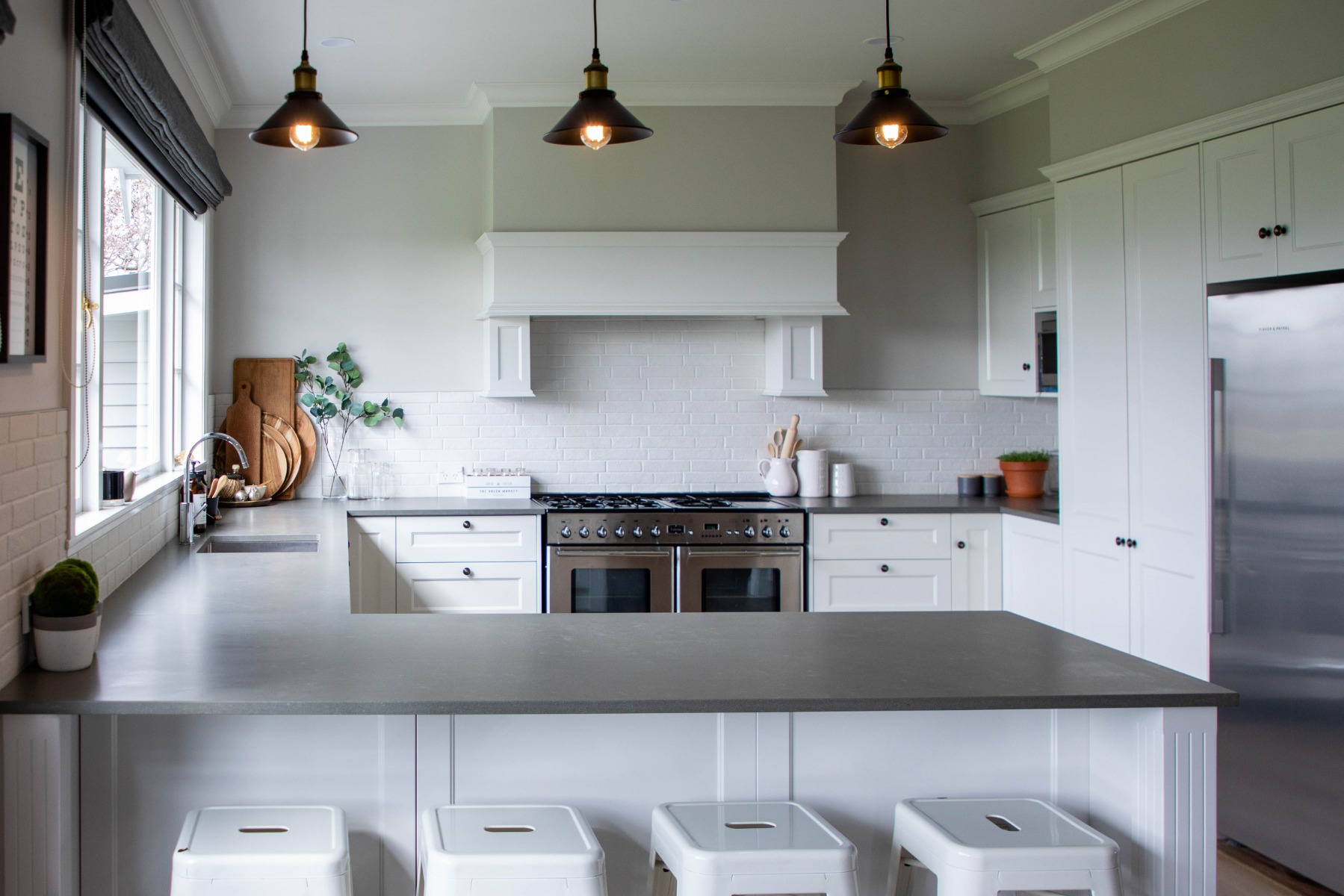
Enjoy The Look and Feel of Concrete, but in Porcelain
Porcelain is created uniquely with the pattern ingrained into the surface. It’s this blend of nature and innovation that give porcelain maximum customisation. This makes it possible to create perfect reproductions of concrete without the drawbacks noted above.
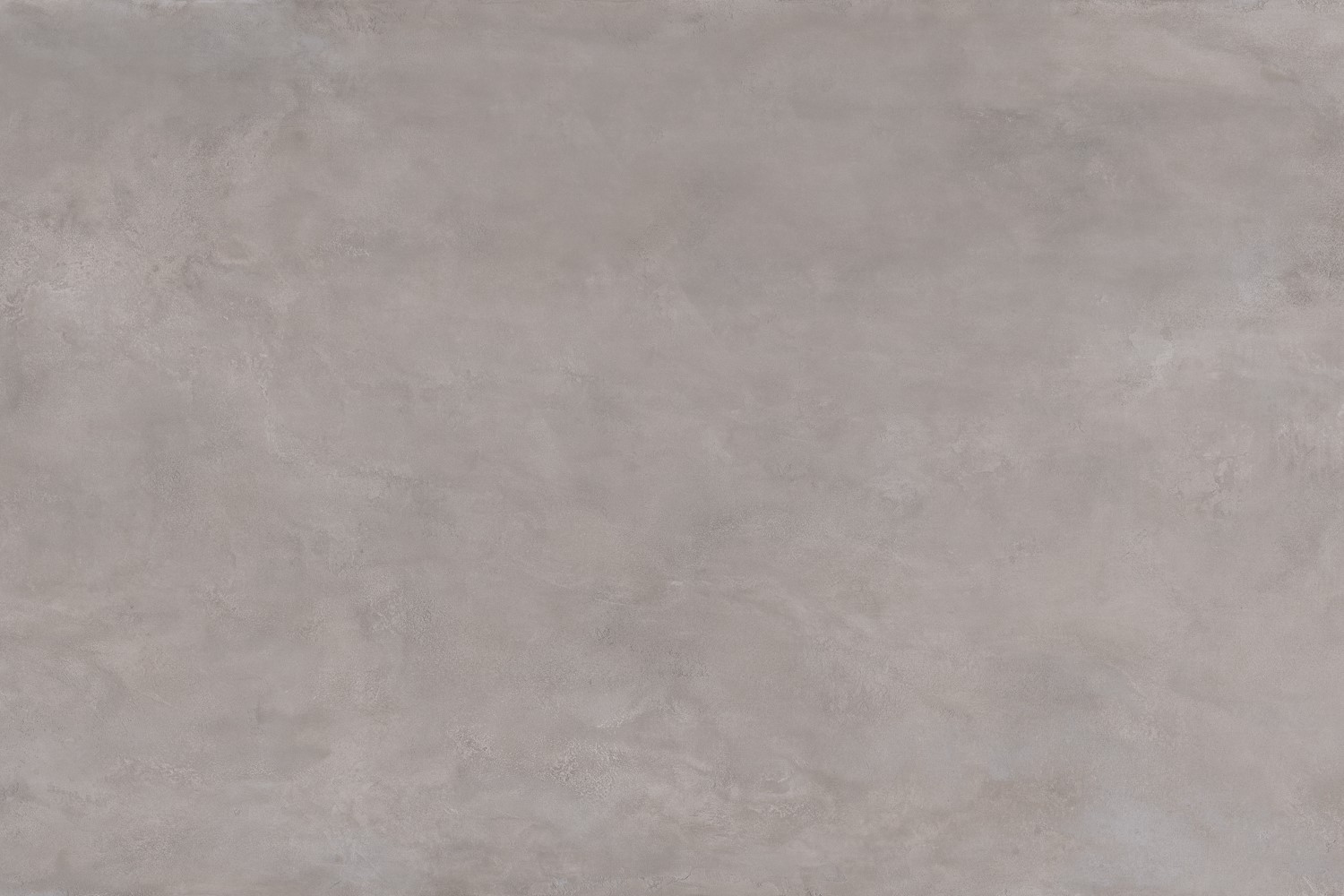
There are several colours to choose from. Cement Light Grey has cool tones and a lighter concrete matte finish. This pairs well with stainless steel and contrasts beautifully with darker tones.
For a deeper, moodier finish, you may be interested in “Cement Dark Grey”. When paired with very dark or very light cabinetry and other fixtures, it creates a rich nuanced result. This makes it an excellent fit for both contemporary and industrial kitchen designs.
These porcelain slabs are sized at 3200mm x 1600mm. They are resistant to high temperatures and thermal stress, scratch-proof, completely waterproof, resistant to UV rays, hygienic, and easy to clean.

Rustic and Unique – Quartz Metropolis Collection
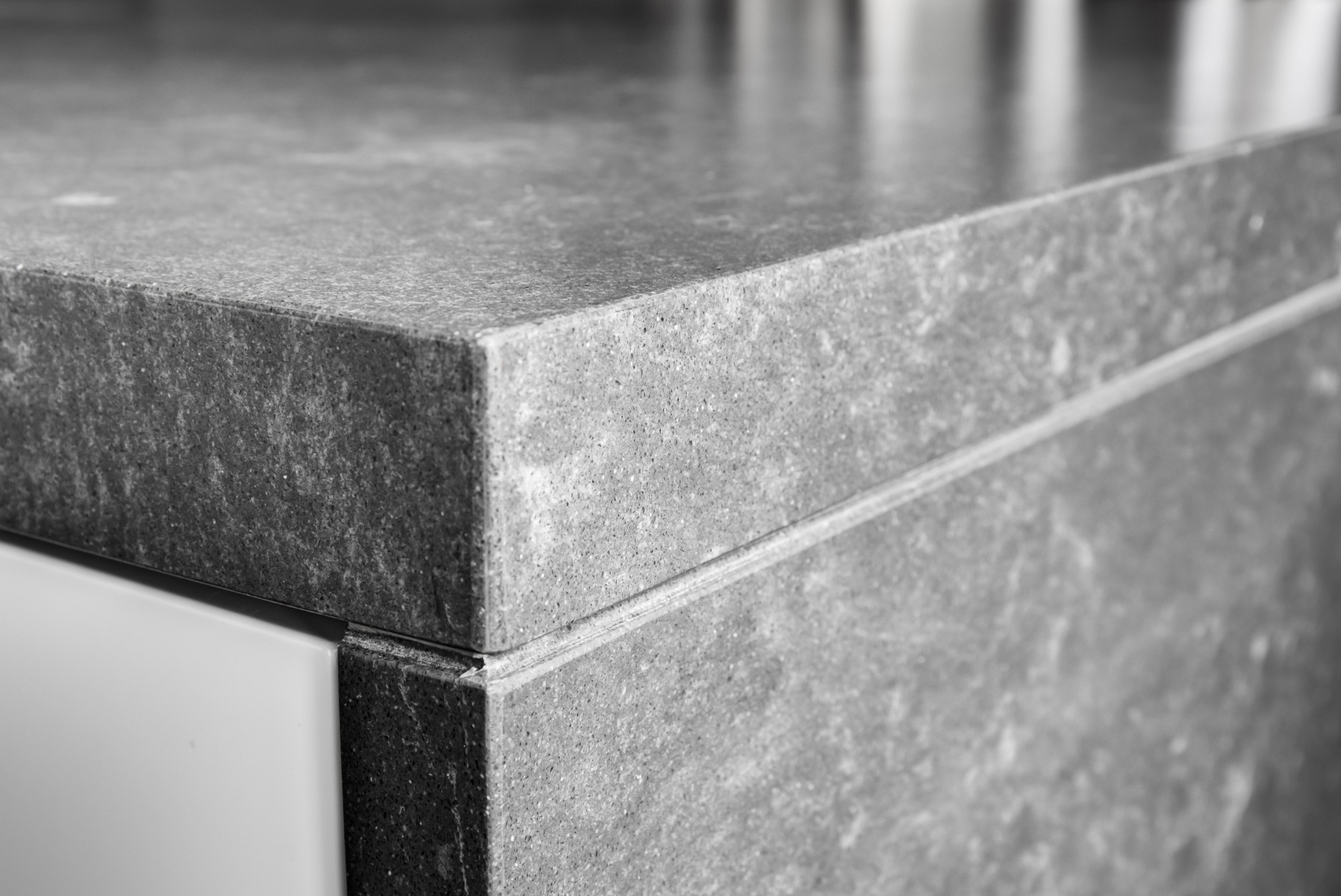
Each Metropolis worktop is a unique slab, so no two are identical. They offer textured surfaces that mimic the look and feel of concrete. Not to worry, the colour is consistent. It’s the ridges, dimples, and textures that vary. It’s worth noting, there may be some inconsistent variations, such as channels, dips, ridges, and indentations. Many customers really enjoy this aspect of the design as they are truly one-of-a-kind.
The Metropolis collection features the same characteristics as all our quartz benchtops. They are strong and durable with fantastic resistance to staining. It’s also less likely to crack the way concrete does and is not as heavy and won’t require structural reinforcement. Likewise, maintenance is simple and requires no specialised cleaning products or sealants.
Bottom Line: Porcelain and Engineered Stone Offers the Best of Both Worlds
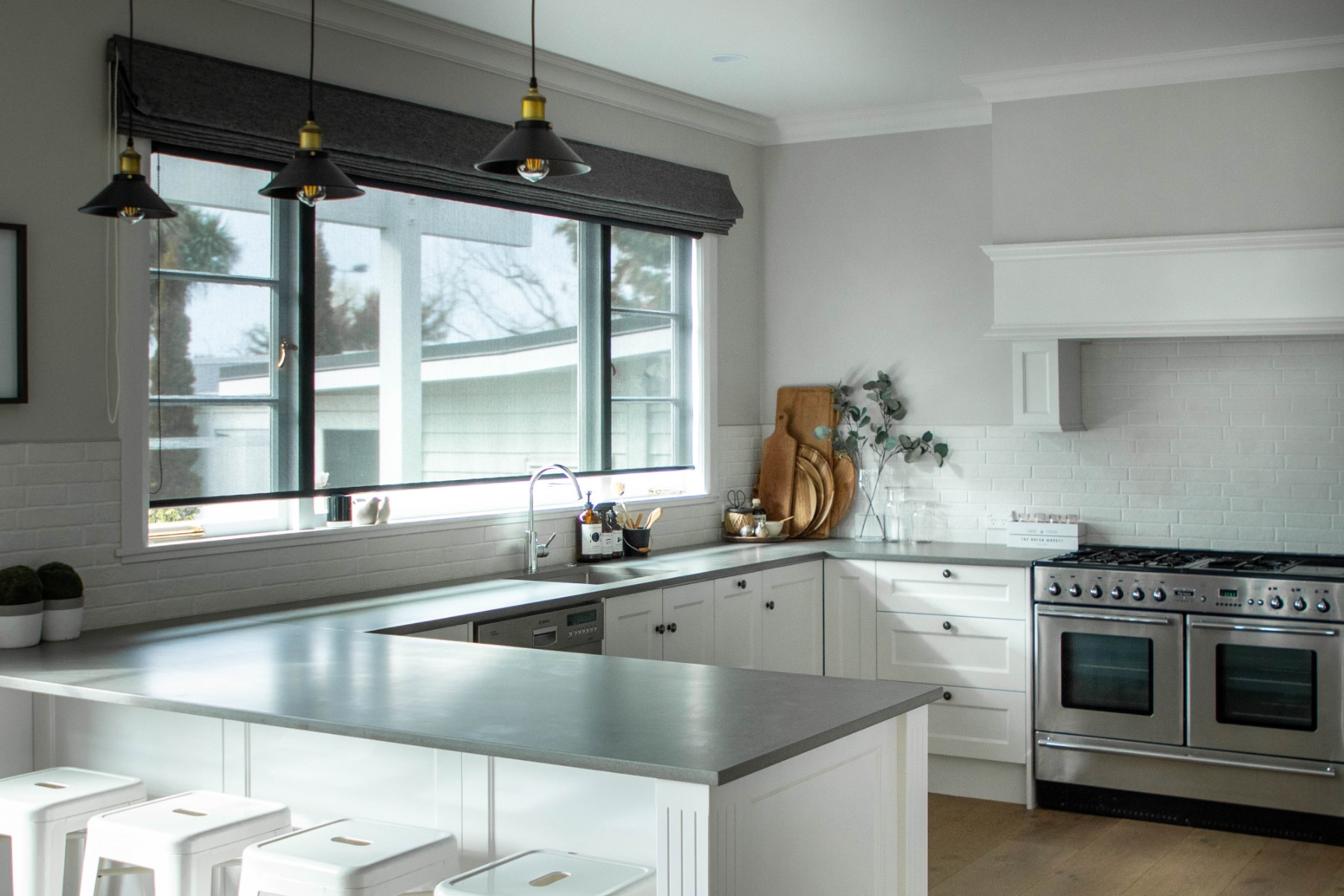
If you love the look of concrete benchtops but are uncomfortable with the price tag, maintenance needs, and potential for cracks, you don’t have to scrap your vision. Thanks to new cutting-edge technology, we offer engineered stone that looks almost identical to concrete without the other issues. Our porcelain and quartz collections are visually impressive, cost-effective, and extremely durable.
Get an Estimated Price for a Porcelain Benchtop Now
Would you like to get an instant price range estimate for your kitchen benchtop? We have a new pricing calculator to plan and create estimates for your porcelain bench. Use it to explore the different styles and price points. Note that the final price may vary slightly based on the details and finishing touches of your design.
Related Links
The Next Big Thing in Porcelain Benchtop Design: Wireless Charging Capability
Up and Coming Trends in Porcelain Design You Don’t Want to Miss
How to Buy a Benchtop that Fits Your Family Needs for 2023 and Beyond
3 Common Problems with Concrete Benchtops (And How Porcelain Can Be a Better Alternative)
What You Don’t Know About the Durability of Porcelain
How to Use Porcelain to Create Long Lasting and Stylish Commercial Spaces
7 Answers to the Most Frequently Asked Questions About Porcelain
The Next Big Thing in Flooring – Large Format Porcelain
What’s the Difference Between Archant Porcelain vs Sintered Stone? A Detailed Comparison
How to Optimise Porcelain Sheet Size for Kitchen Benchtops and Island Design (A Complete Guide)
6 Common Mistakes to Avoid Making with a Porcelain Benchtop
Porcelain vs Quartz Benchtops: Which is the Best Surface For Your Kitchen? (Comparison)