
A Guide to Porcelain Benchtop Costs
A Guide to Porcelain Benchtop Costs
When it comes to kitchen benchtops, there isn’t a one-size-fits-all solution. This of course means the cost can vary greatly depending on several factors. For many customers, learning how these options affect the bottom line may seem intimidating at first. If that sounds anything like you, be sure to keep reading. In this article, we will break down everything you need to know about porcelain benchtop costs. With this knowledge, you’ll be able to narrow down your options before even speaking with a design specialist.
The Cost of Materials
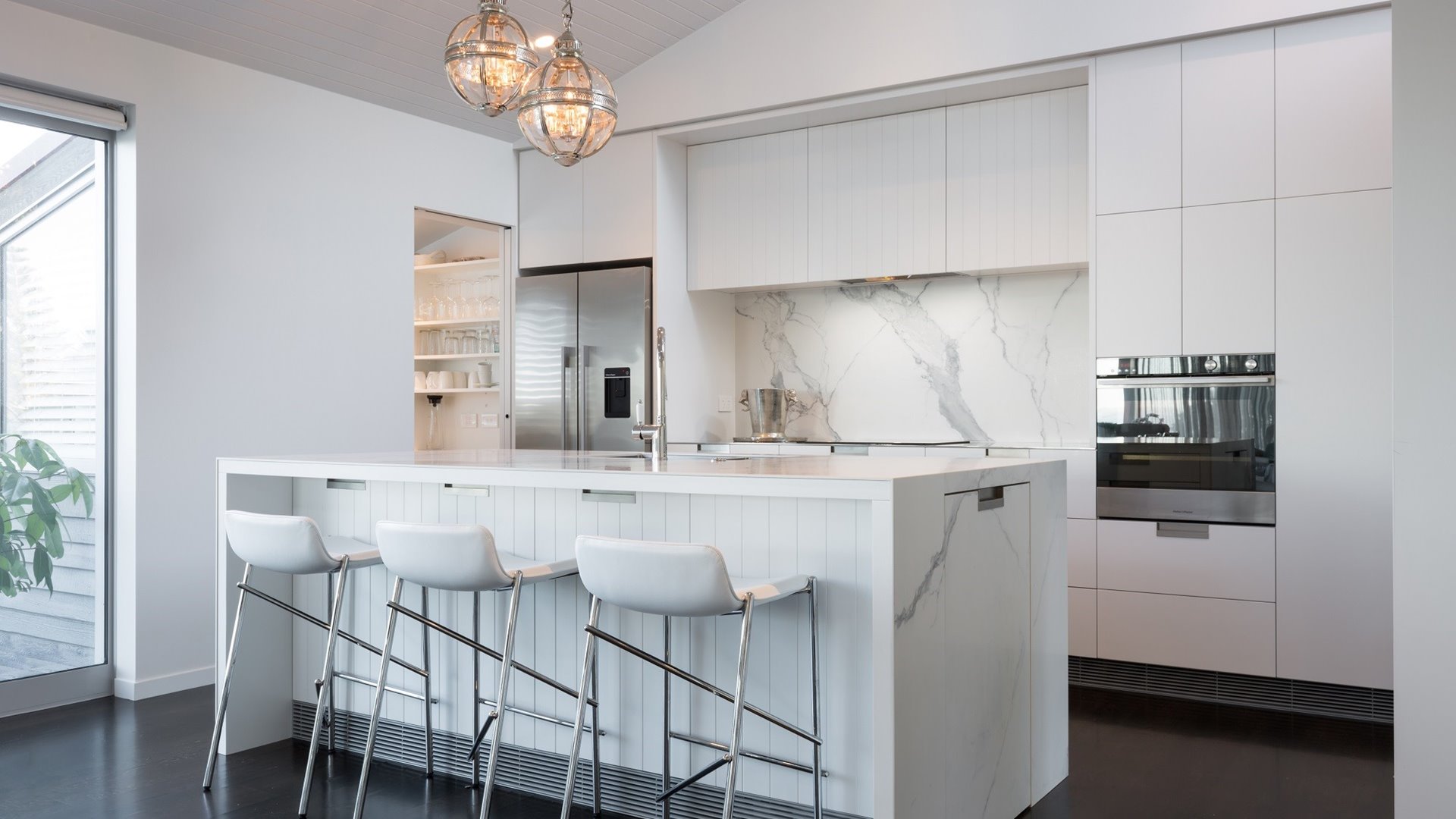
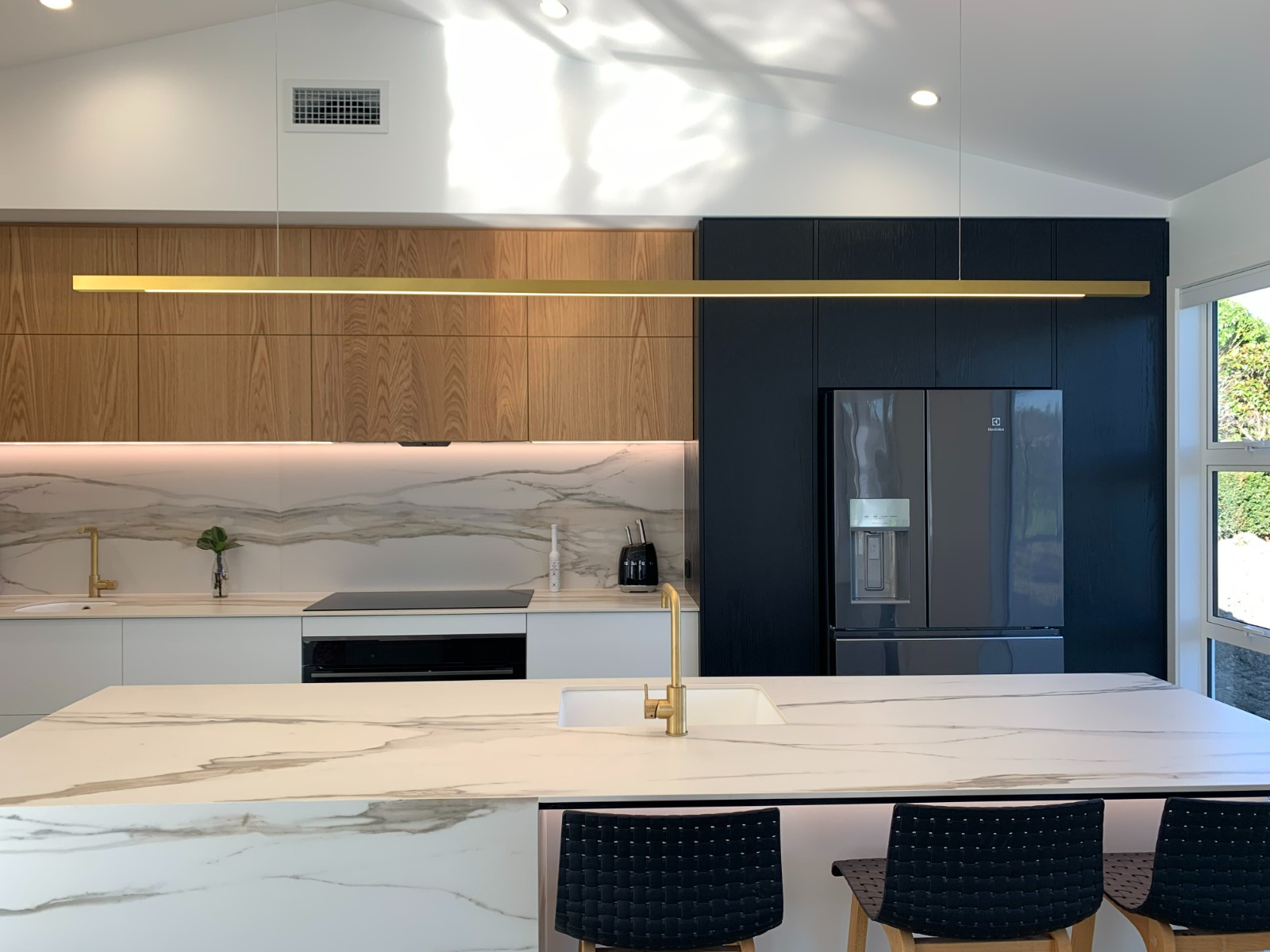
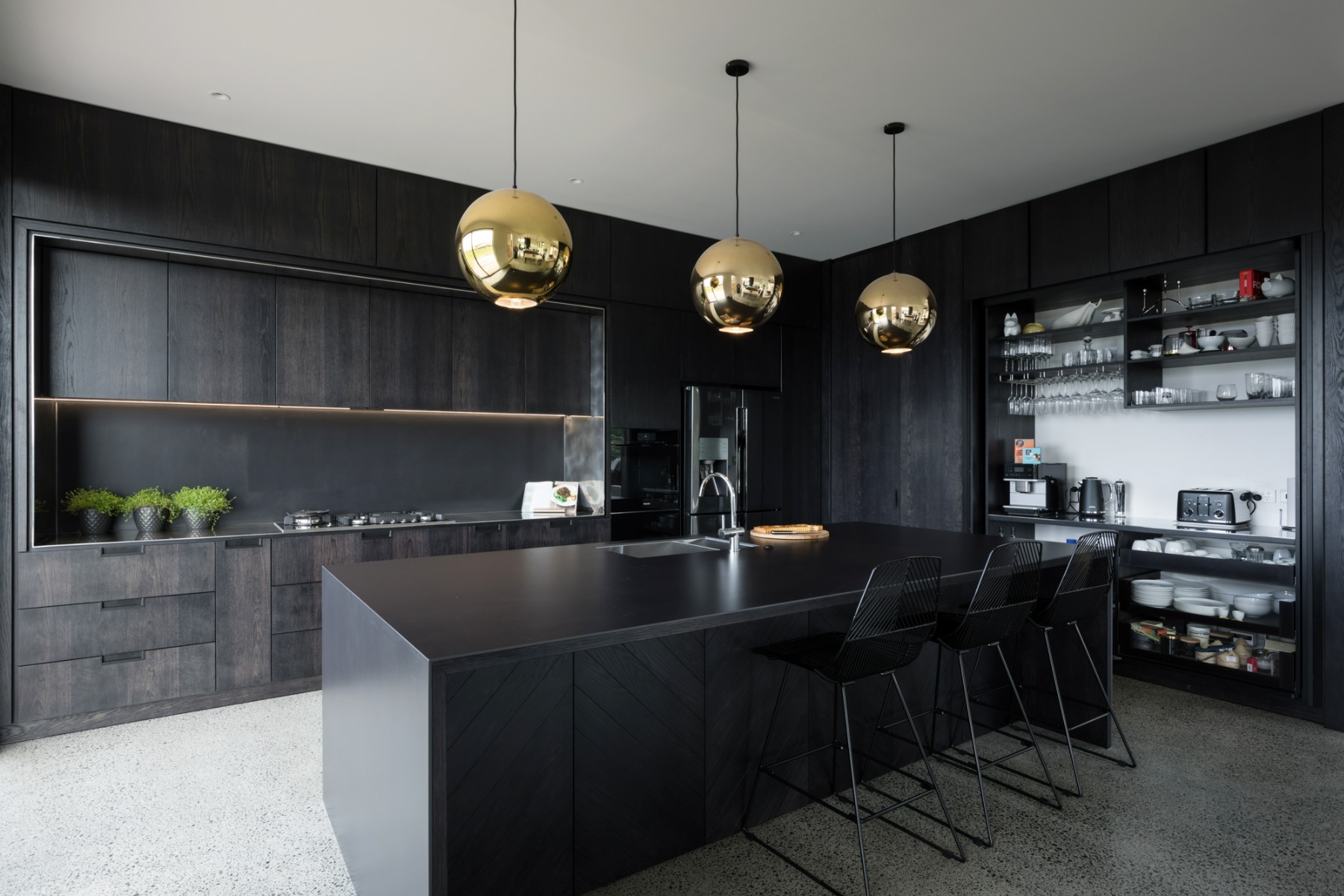
With porcelain benchtops, you can expect the cost of materials to be about half of the total install price. To keep costs down, it’s beneficial to craft your dimensions according to the raw porcelain slab sizes. For example, most of our large format slabs are 3200x1600mm. By purchasing this one slab you can create an island bench up to 3200x900 and an additional hob bench up to 3200x650mm. Alternatively, if your design called for a larger benchtop of 3400mm on the long end, a second sheet of porcelain would be required. This would essentially double the cost of raw materials.
Increasing Thickness Can Raise Cost
Most slabs come in thicknesses of 6mm, 12mm, and some are even available in 20mm. Of these, 12mm is most common for a benchtop. The slim 6mm is best used in splashbacks. These can all be increased to nearly any thickness using a substrate material known as “wedi” and fitting a front piece of porcelain to make the edge look like a thick piece of stone. This offers great potential for creative design making it an exciting product. Just note, the more substrate is used, the more material and labour is required. This has a direct impact on pricing. If you’re looking for the most cost-effective method, consider opting for one slab thickness throughout the design.
Beyond the Modular Kitchen
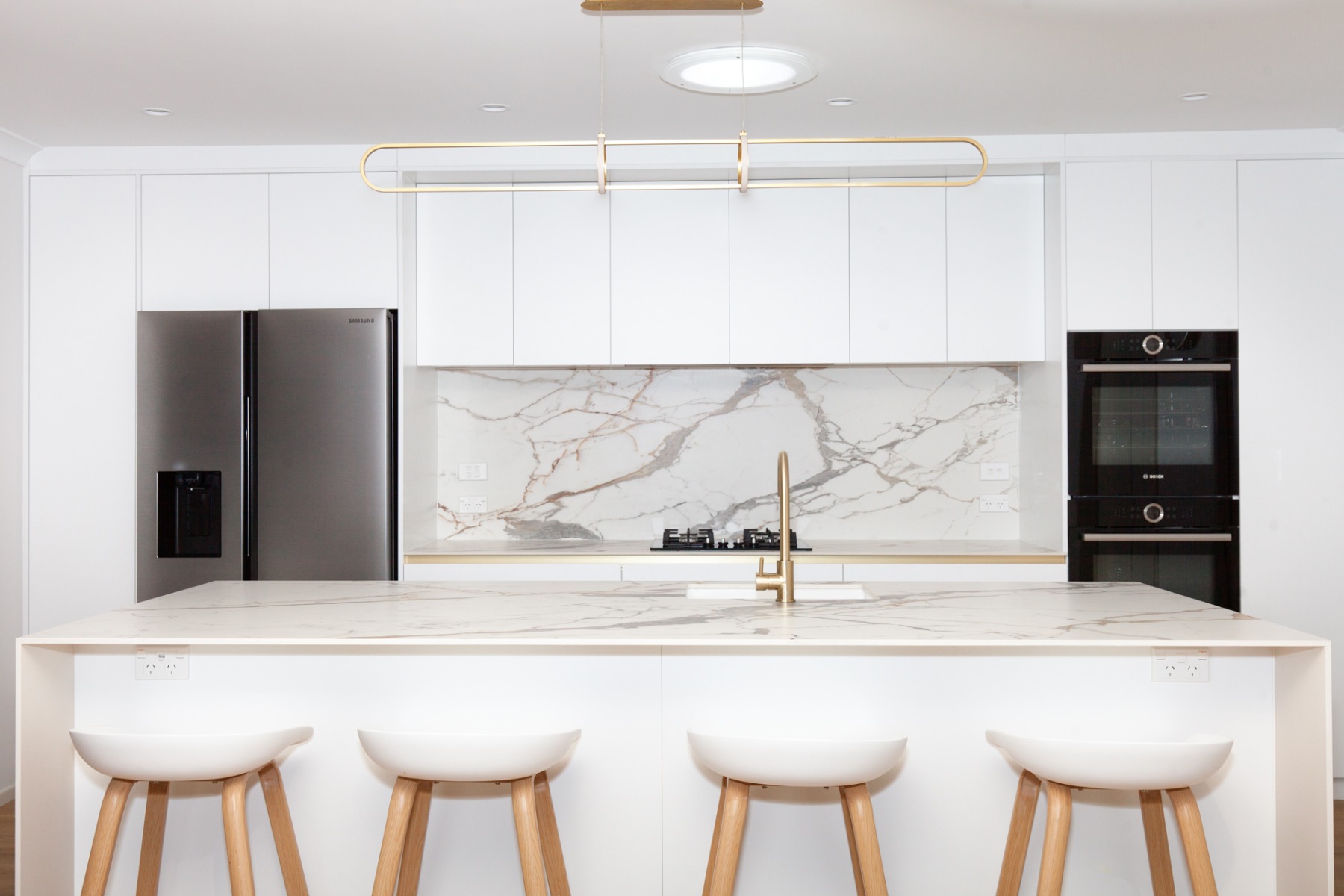
In Europe, it’s not uncommon to see modular kitchens. These kits are designed to work in a wide variety of homes. In New Zealand though, where nearly every house is unique, modular kitchens are rare. This isn’t a bad thing, but rather a great opportunity to think outside the box. There are many wonderful options to accessorise a kitchen. For the best value, focus on functionality and longevity as opposed to what’s on-trend this year.
What About the Other Essential Elements?
The colour and style of your porcelain benchtop is a big consideration so be sure to examine your palette. At Archant for example we have five different collections. The pattern and finish will have a marginal impact on cost. There’s everything from a highly polished appearance to a matte feel, and the ever-popular textured options. The right choice is the one that best expresses your vision.
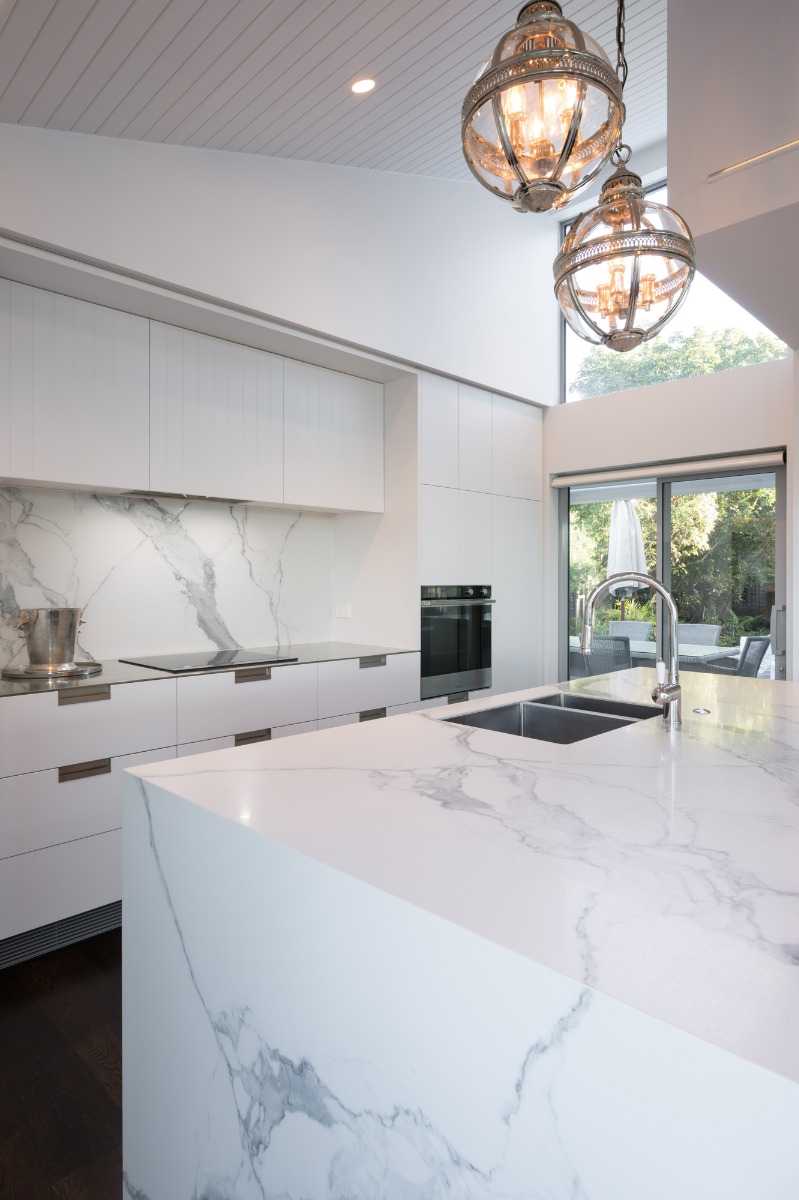
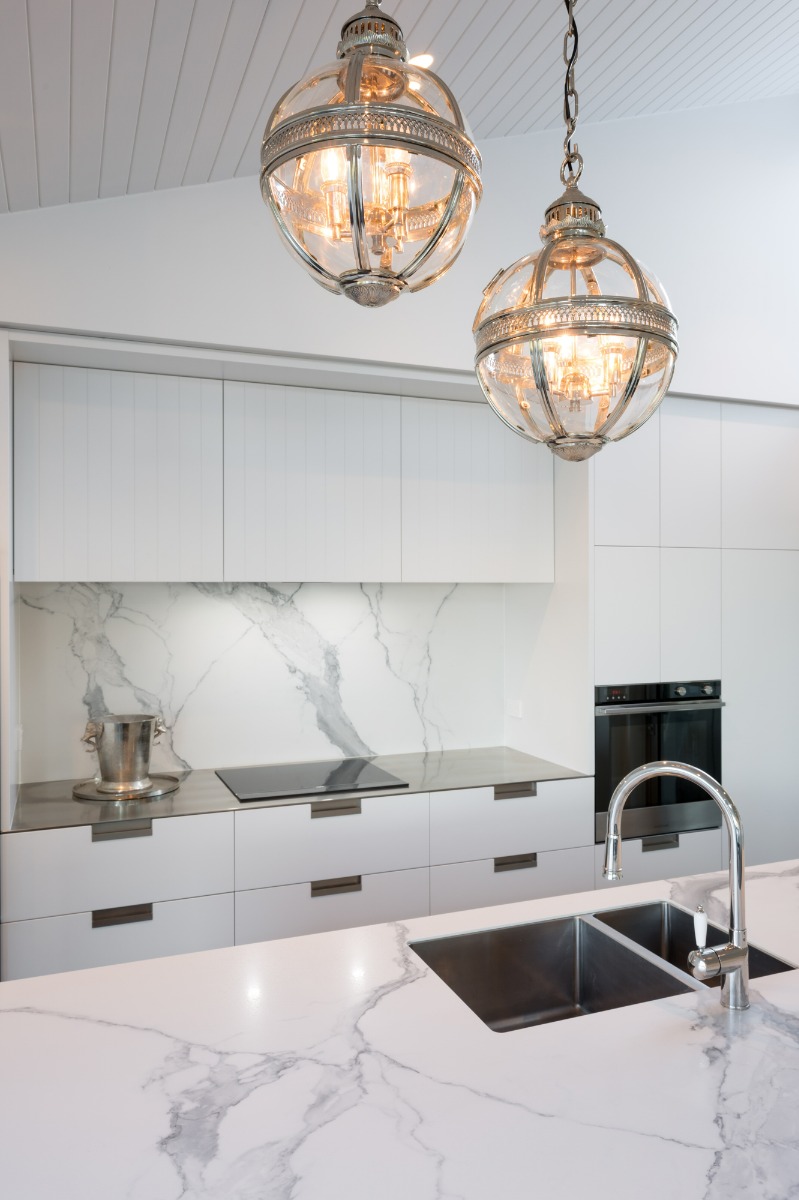
From there, decide on the bench and island layout. Do you envision a basic design or something more involved like a u-shape? Next, choose a sink and what kind of mounting you’d like. A few popular choices include overmount and undermount. Then contemplate the taps, tap holes, and hob layout. Other considerations that will impact price include waterfall edges, splashbacks, and polished or mitred edges.
Installation Costs
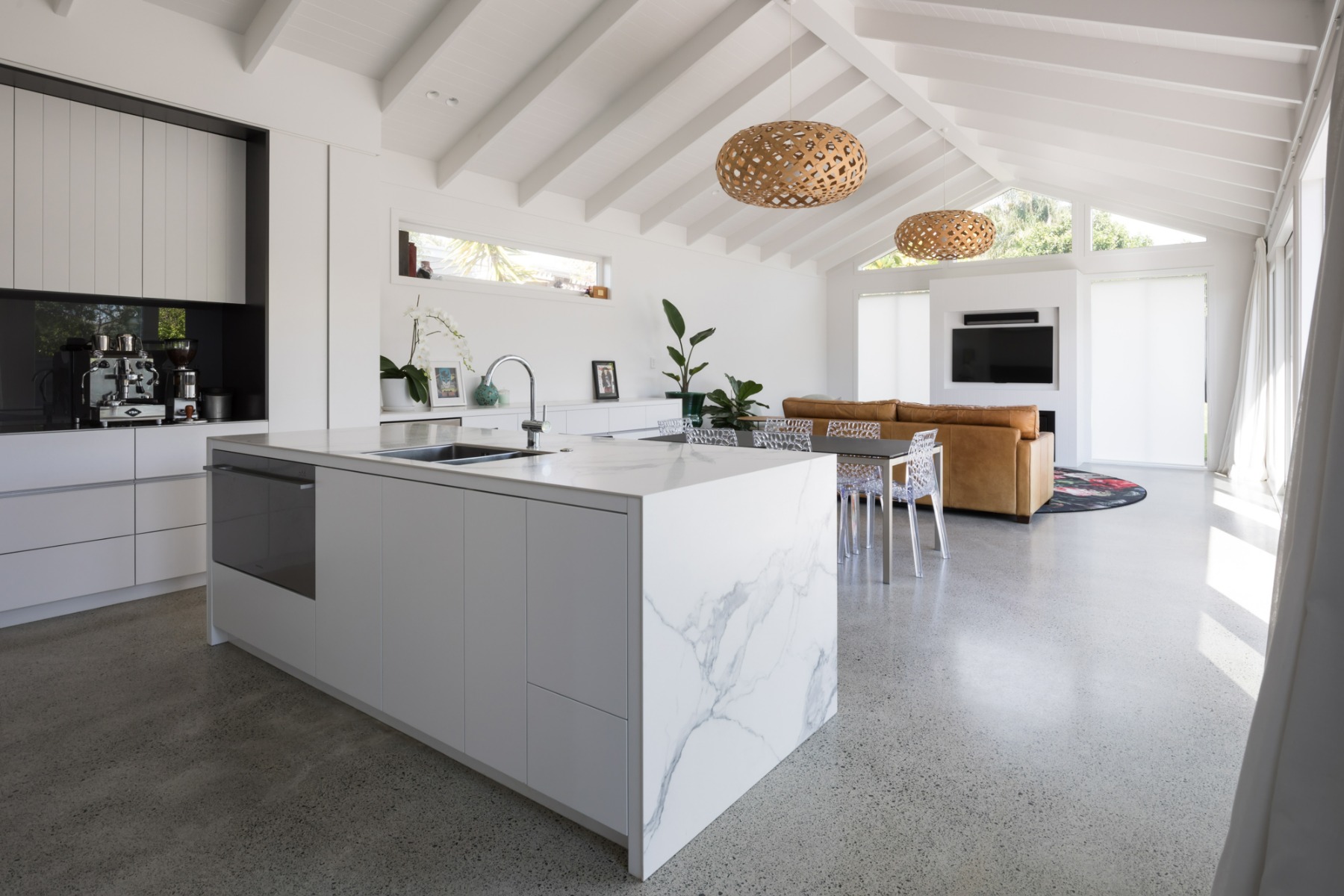
You may have heard that the complexities of fabricating porcelain drive the cost up. While this is generally true, it’s hardly an accurate depiction of the bottom line. In fact, a large part of the labour cost will depend on the dimensions of your design. As an example, long benchtops that require multiple places to join and mitre will raise the price rather quickly. This is due to the skilled workmanship involved in creating seamless transitions. Still, if you have a unique vision in mind, it doesn’t cost any extra to have a quote prepared.
3 Cost-Effective Tips from Design Experts
If you love the look of a porcelain benchtop but want to keep the cost down, here are three quick tips from our showroom consultants.
- Build your design around the use of one large format porcelain slab rather than multiple pieces.
- Limit the use of substrate and opt for one thickness throughout design if possible.
- Reduce the need for joined edges and mitred elements which add labour costs.
Are There Any Other Costs?
In a recent report from the National Kitchen and Bathroom Association (NKBA), they state that porcelain is “now the preferred benchtop material for designers, with 46 per cent predicting it to be in all their new kitchens in 2022.” This is partly due to its durability since it won’t need to be replaced. While the upfront cost of porcelain is slightly higher than other materials, it lasts longer and therefore extends its value far beyond any alternative.
What About Maintenance and Clean-up?
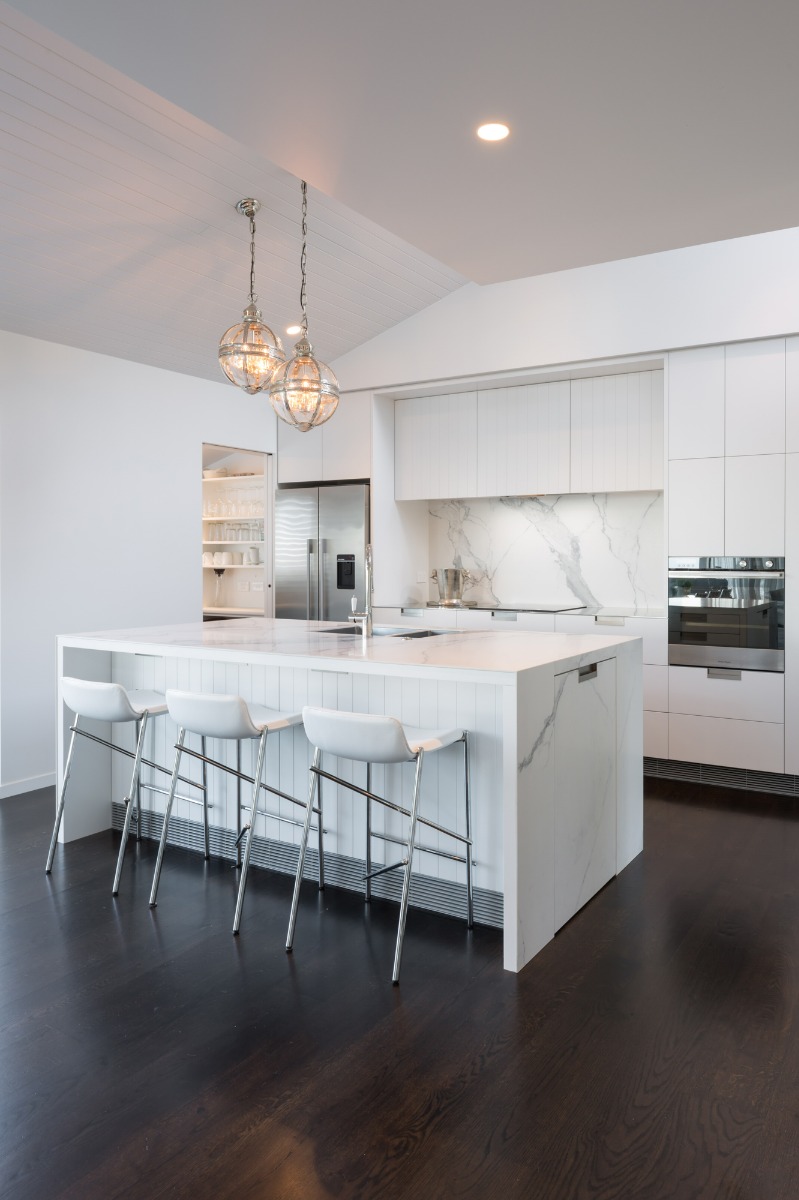
All Archant Porcelain benchtops come with an amazing lifetime warranty at no extra cost. Maintenance is a cinch with the use of conventional cleaning products. Thanks to porcelain’s non-porous surface, there’s no need to purchase additional products to reseal or protect the bench. Not only is this convenient, but it adds up to significant savings over the lifetime of your benchtop.
So, What’s the Bottom Line?
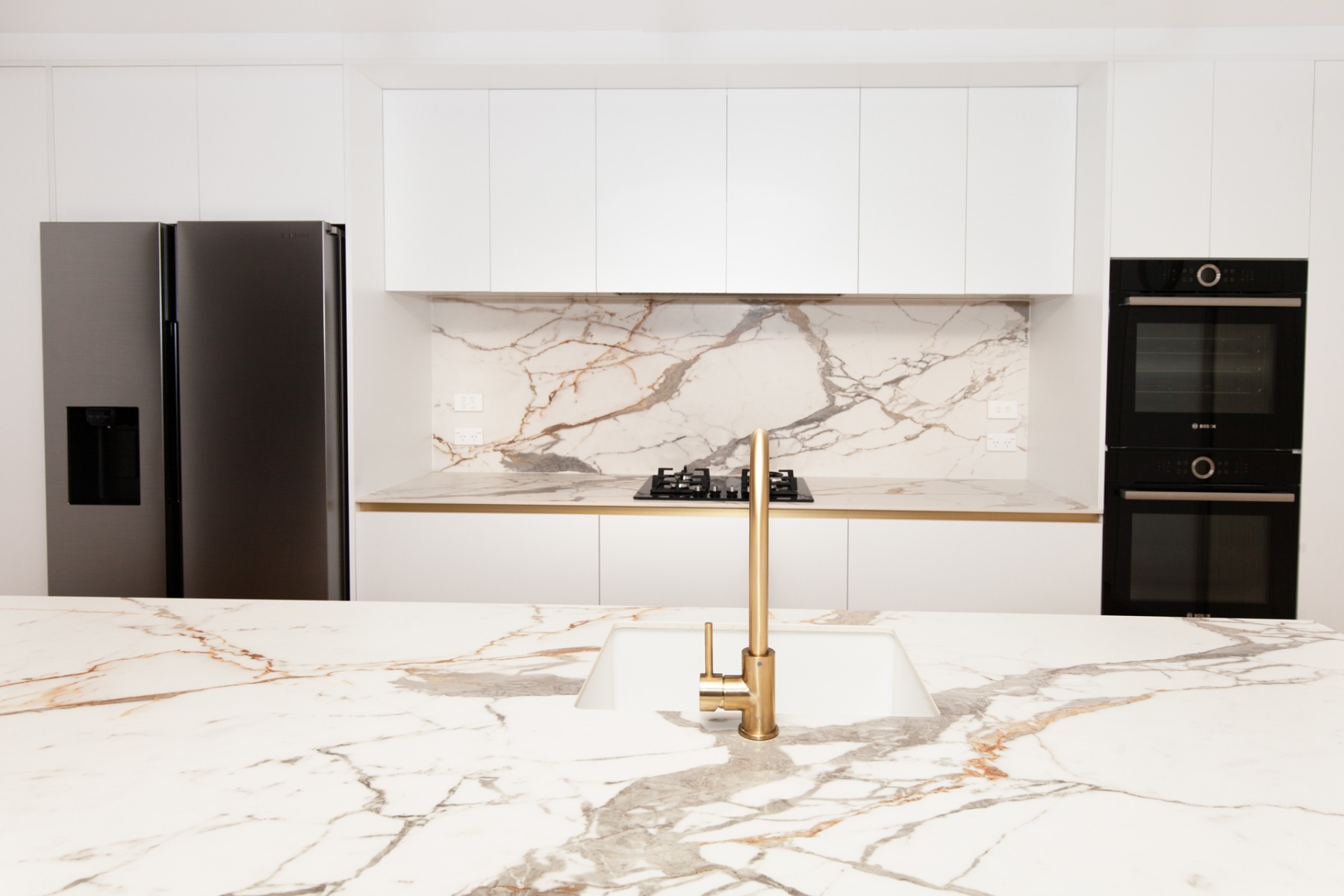
Now that you have a clearer idea of how porcelain benchtop pricing is determined, you may be wondering what your final price will be. The most expedient course of action is to speak with an expert on our design team. With this article as a guide, you can discuss each specific element as it relates to your space. Once you’ve selected the key components of your kitchen, it’s time to have the layout accurately templated by your designer. A file will then be created according to each variation. It’s this necessary step that will ultimately determine specific pricing.
What’s Next?
Once you finalize your template, it doesn’t take long before the kitchen is completely transformed. The lead time for fabrication is only about ten working days. And while all of this is very exciting, it’s also a large investment that we want you to love for a lifetime. As with all purchases, the educated consumer is typically the most satisfied. We’d encourage you to expand your knowledge of porcelain benchtops with our recent article, A Review of Porcelain Benchtops.