
3 Common Problems with Concrete Benchtops (And How Porcelain Can Be a Better Alternative)
3 Common Problems with Concrete Benchtops (And How Porcelain Can Be a Better Alternative)
You’ve likely heard about concrete as a stylish and unique kitchen benchtop solution. Truth be told, they can be quite nice to look at. Yet, like any other decorative surface on the market, there’s a list of pros and cons to consider.
At Archant, we want our readers to be aware of all the important details to make an informed decision. In this piece, we’ll discuss the three main issues as it relates to concrete worktops.
Of course, everyone’s experience can differ, and many users love this material. Nevertheless, three concerns have repeatedly been noted by experts in the design field.
As for the alternatives, we’ll look at the characteristics of porcelain surfaces, and how they can be a smart choice as opposed to concrete.
Upon finishing this article, we trust you’ll have a deeper understanding of all the important considerations, and a better idea of how to proceed in your design.
1) Concrete Surfaces are Prone to Stains and Scratches
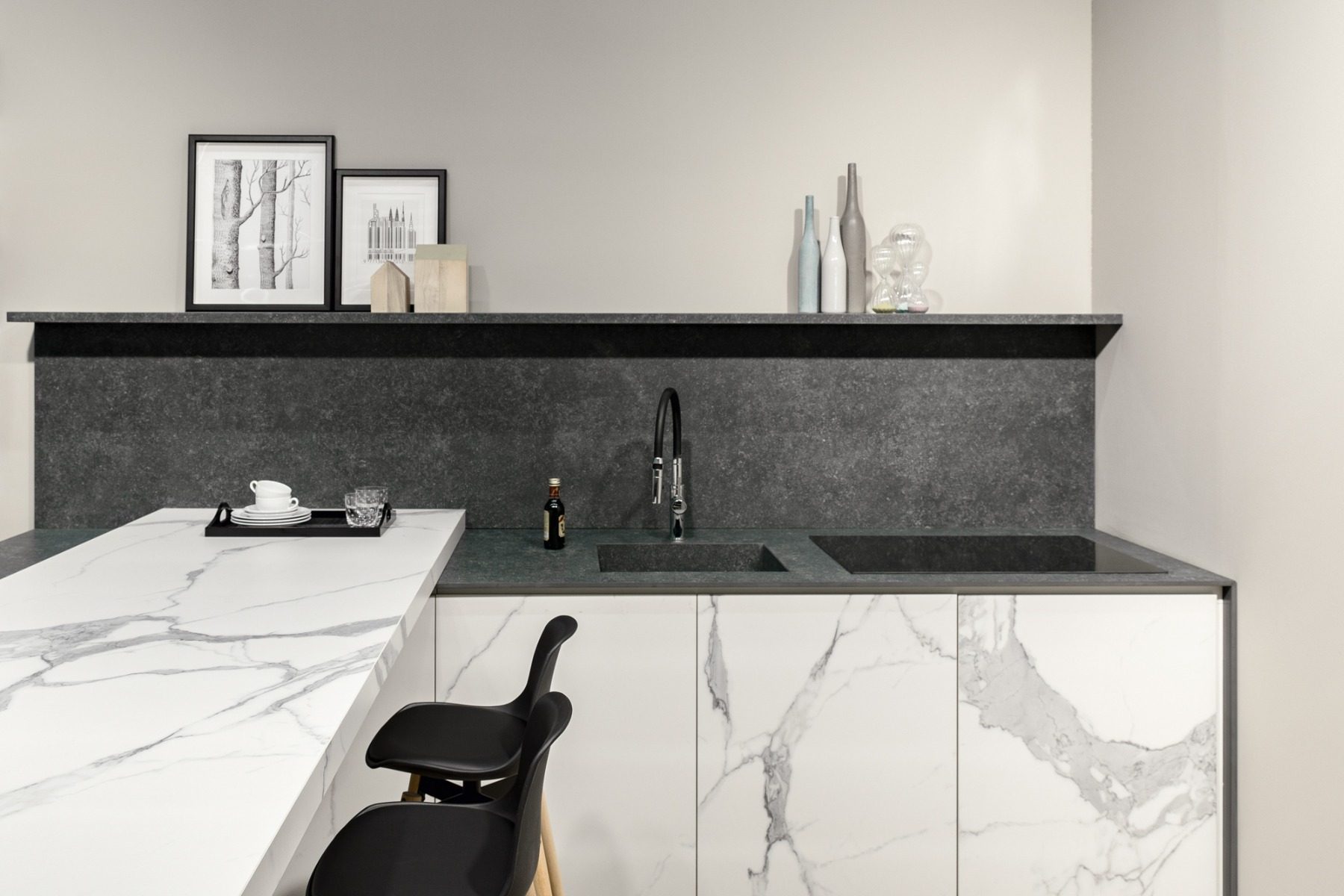
This is perhaps the most common issue with concrete benchtops. The challenge stems from the porous nature of concrete. This material is vulnerable to absorbing liquids, and worse yet, unsafe bacteria. This is especially problematic with acidic beverages such as citrus juices, coffee, and red wine.
To combat this, concrete worktop owners must seal the surface after installation, and continue to do so at least twice annually. Even this protective step won’t make for complete stain resistance.
In some instances, olive oil and water spots can leave behind stubborn markings. In many examples noted on the web, cutting a lemon has left behind acid stains that are quite difficult to remove.
If you’re looking for a low-maintenance benchtop, concrete is likely not the right option. In addition to reapplying a sealer every six months or so, you’ll also require a wax finish to help fortify the surface. Quick attention must be given to spills which should not be left to sit for even short lengths of time.
As an added word of caution, not all sealants are created equal. Some can discolour when encountering hot cookware. Be sure to research the variety of sealers for the best results.
2) Concrete is Susceptible to Cracking
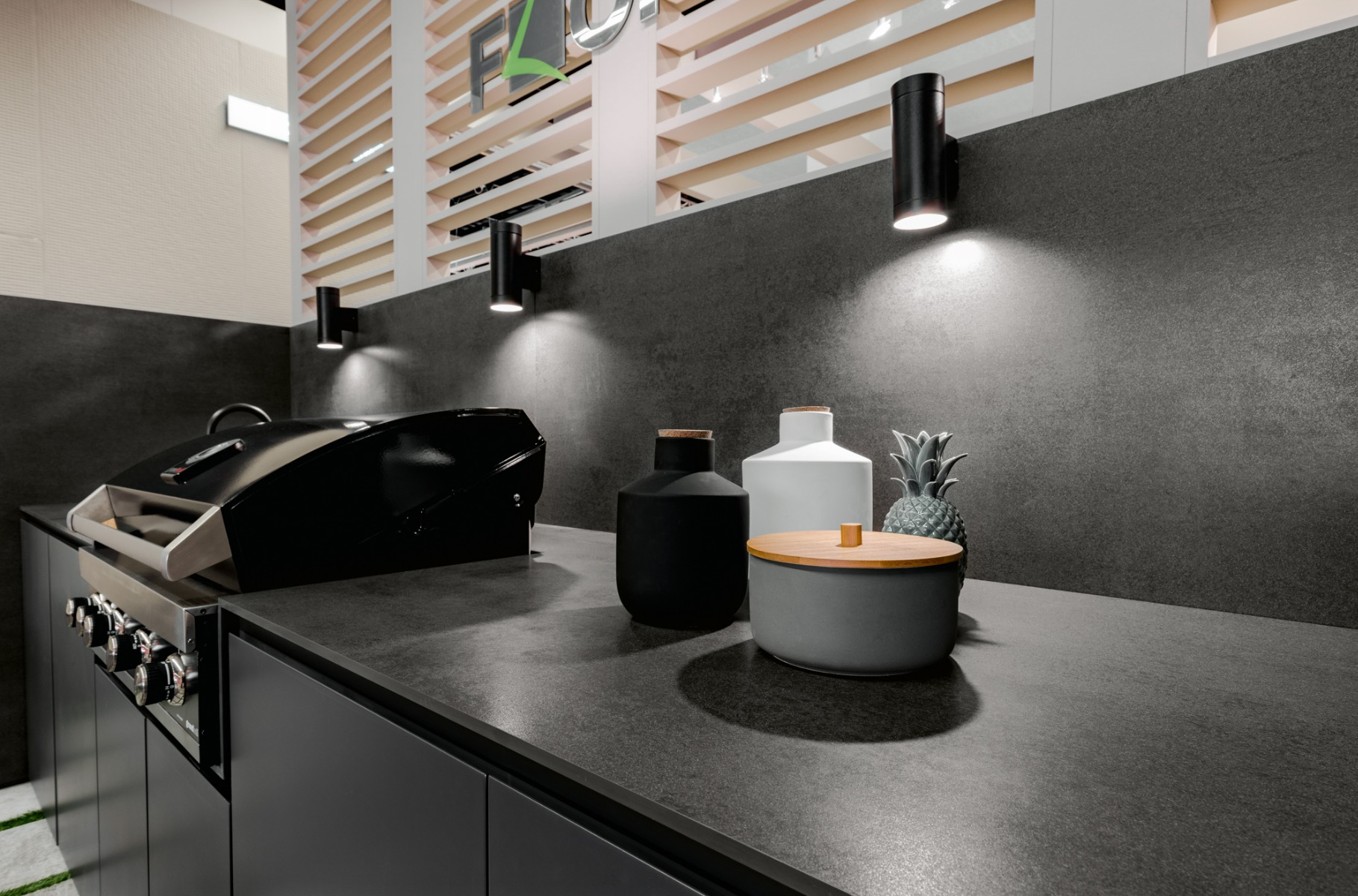
To say that most concrete surfaces crack would not be overstating the issue. Hairline cracks are quite common with concrete benchtops. The problem isn’t caused by a poor-quality worktop, but rather the natural characteristics of this material.
Here are some of the main causes of concrete surfaces cracking:
- Shrinkage of Concrete – These generally appear as hairline cracks, which result from the natural process of concrete drying and shrinking. While they can be bothersome to look at, they aren’t signs of structural damage, and won’t generally affect the overall strength of the surface. Professional installers will take steps to minimise this, but it’s impossible to completely prevent it.
- Moisture - These hairline cracks usually occur near the surface, and typically result from moisture that is perpetually forced to dry. Areas near sinks, dishwashers and drying racks are particularly vulnerable.
- Heating and Cooling - Another issue to contend with is hairline cracks from hot pots and pans. If left to sit too long the concrete will expand and later crack upon cooling. Thermal stress is a common sore spot for many benchtop surfaces, but with concrete, it’s not necessarily high heat that’s the biggest culprit, but the duration it’s in contact with the counter.
- Stress Relief and Structural Cracks - Hairline cracks can form when the tension and stress of the bench surpass what it can naturally resist. These can be disappointing, but it’s par for the course with concrete. What is more concerning though, are large structural breaks. This can result from the benchtop flexing from the pressure of appliances that are installed too tightly, like a tap or faucet handles. In these instances, repairs are recommended to maintain the structural integrity of the counter.
3) Concrete Benchtops Require Structural Reinforcement
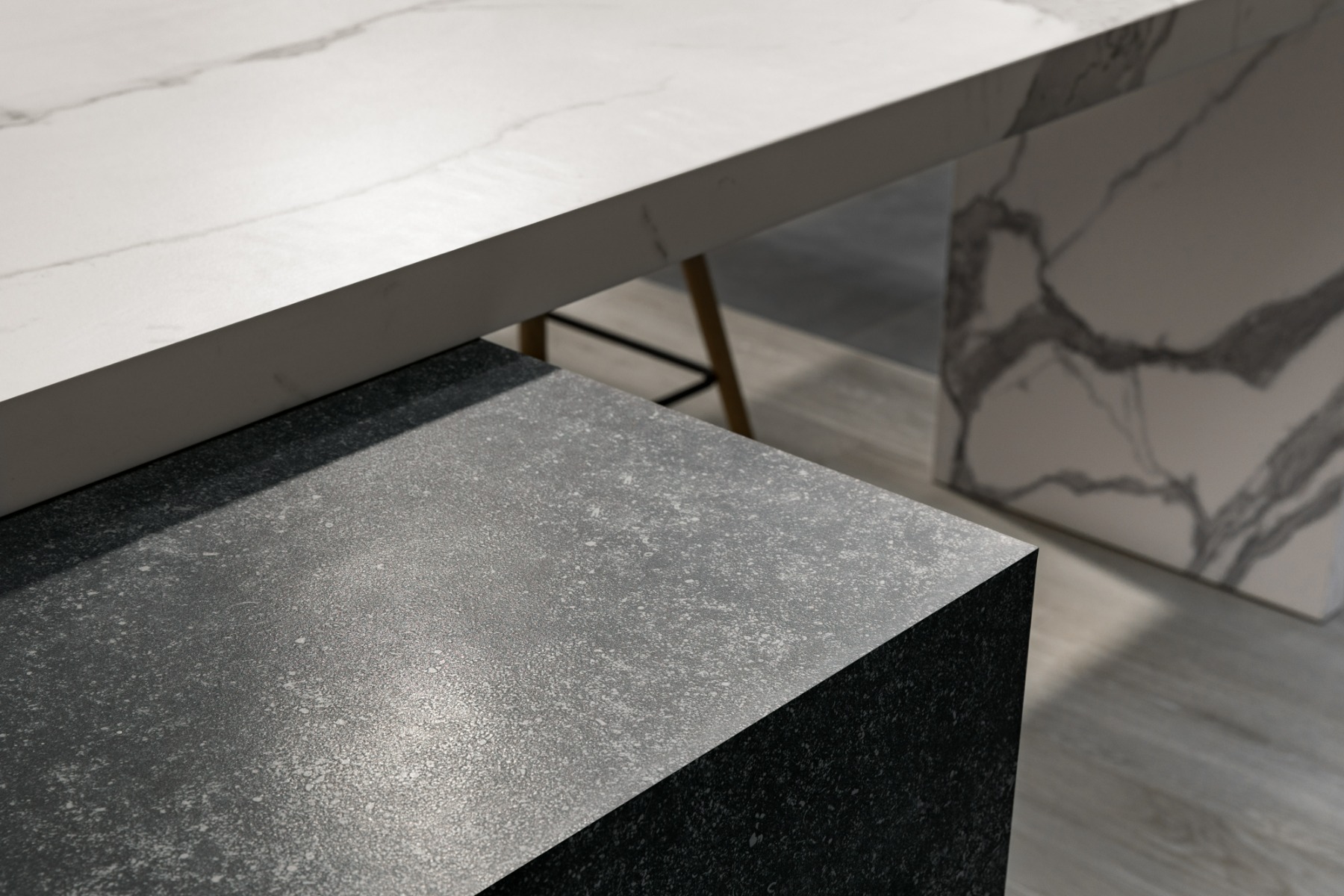
It’s no surprise that concrete is heavy, but many homeowners are caught off guard by what’s involved to install a benchtop properly. Without the right setup, floors and cabinetry are excessively taxed, creating additional problems down the line.
The solution is to strengthen these areas with structural reinforcement. This provides the necessary support to withstand the increased weight of the concrete.
Despite the obvious necessity of this, Jeffrey Girard, president of The Concrete Countertop Institute says, “Reinforcement is one of the most misunderstood topics in concrete countertops.”
He goes on to note that both primary and secondary forms of reinforcement are most beneficial. The technical considerations are rather detailed and can be reviewed here. All of this adds to the price of installing concrete, making it one of the more costly surface materials to choose.
Porcelain Benchtops Are a Smart Alternative to Concrete
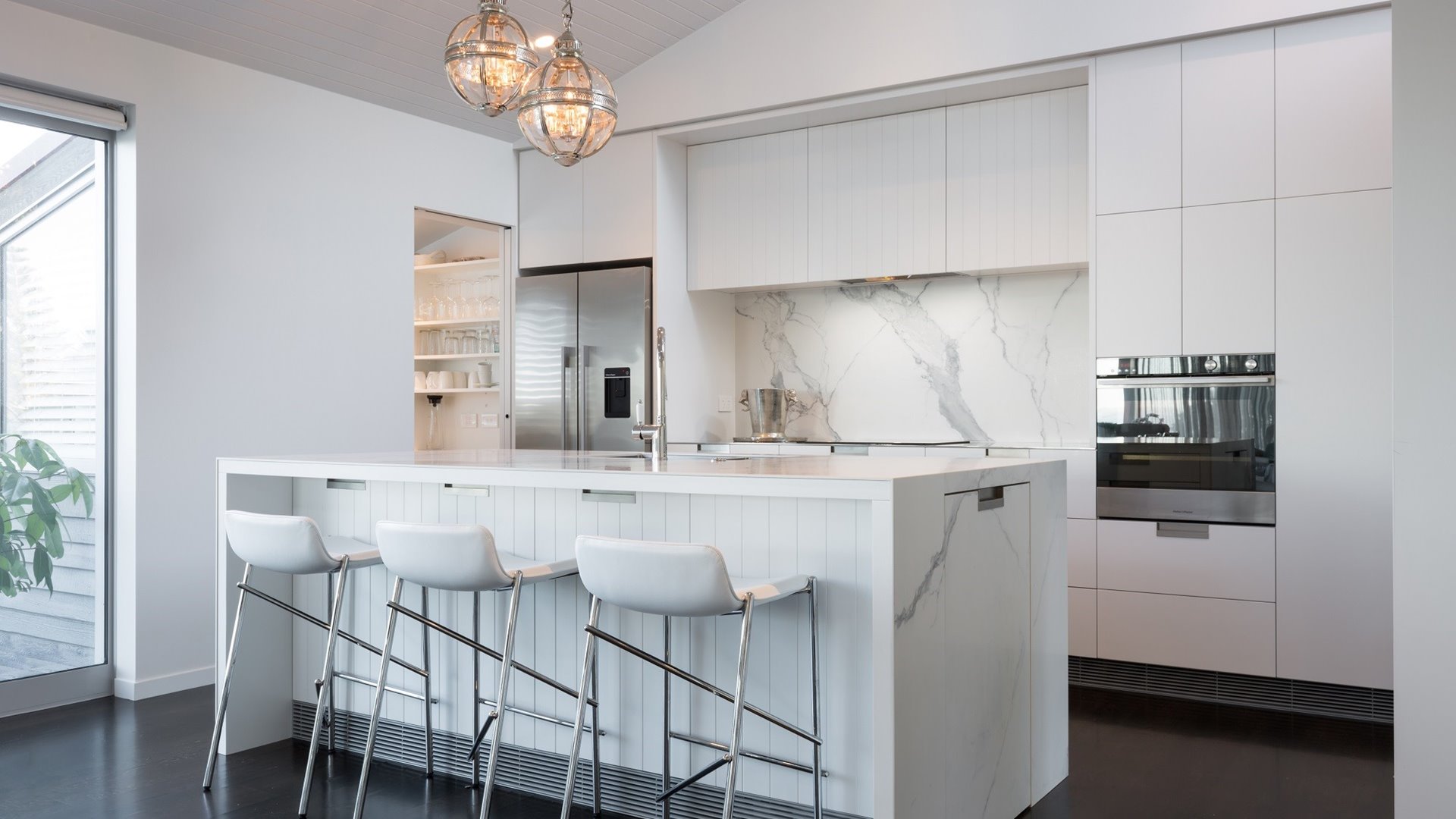
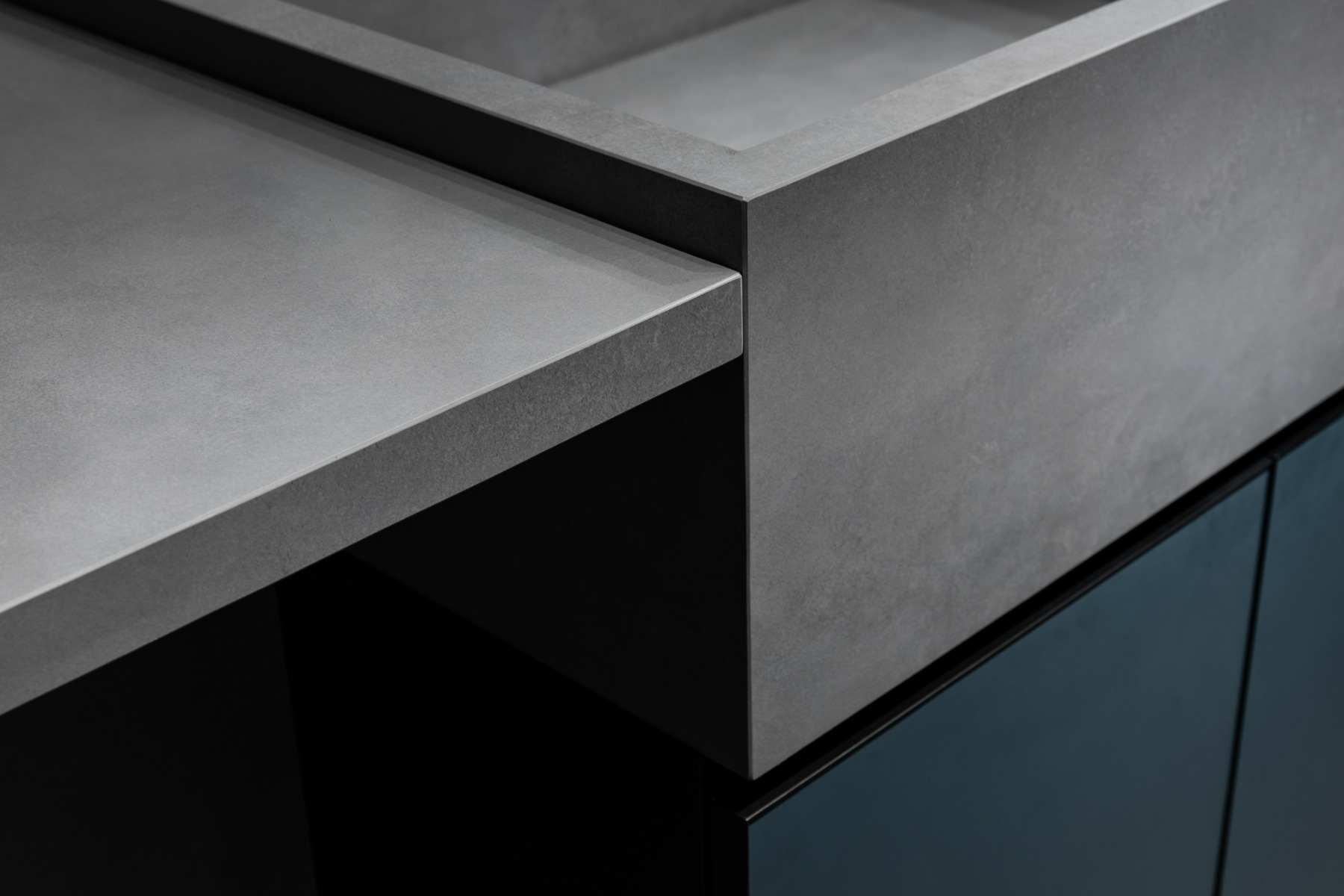
Now that you’ve read about the challenges of using concrete as a benchtop material, you may be wondering if there’s a better alternative. The solution you desire may very well be porcelain. Not only can this decorative surface be made to look like concrete, but it does not suffer from the same issues noted above.
This stylish capability is made possible by the unique way the patterns are ingrained into the porcelain surface. Coupled with the various available finishes, you can enjoy the look and feel of concrete without complications.
Its non-porous surface makes it resistant to heat, stains, and scratches. It’s completely food-safe with no tiny pores to trap bacteria. This also means there’s no need to apply a sealant. All this makes for exceptional ease of maintenance.
And while porcelain is certainly strong and durable, it’s lightweight in comparison to concrete. This won’t put added pressure on the floors and cabinetry making it easier to install without requiring reinforcement.
Order Free Porcelain Samples for Your Next Project
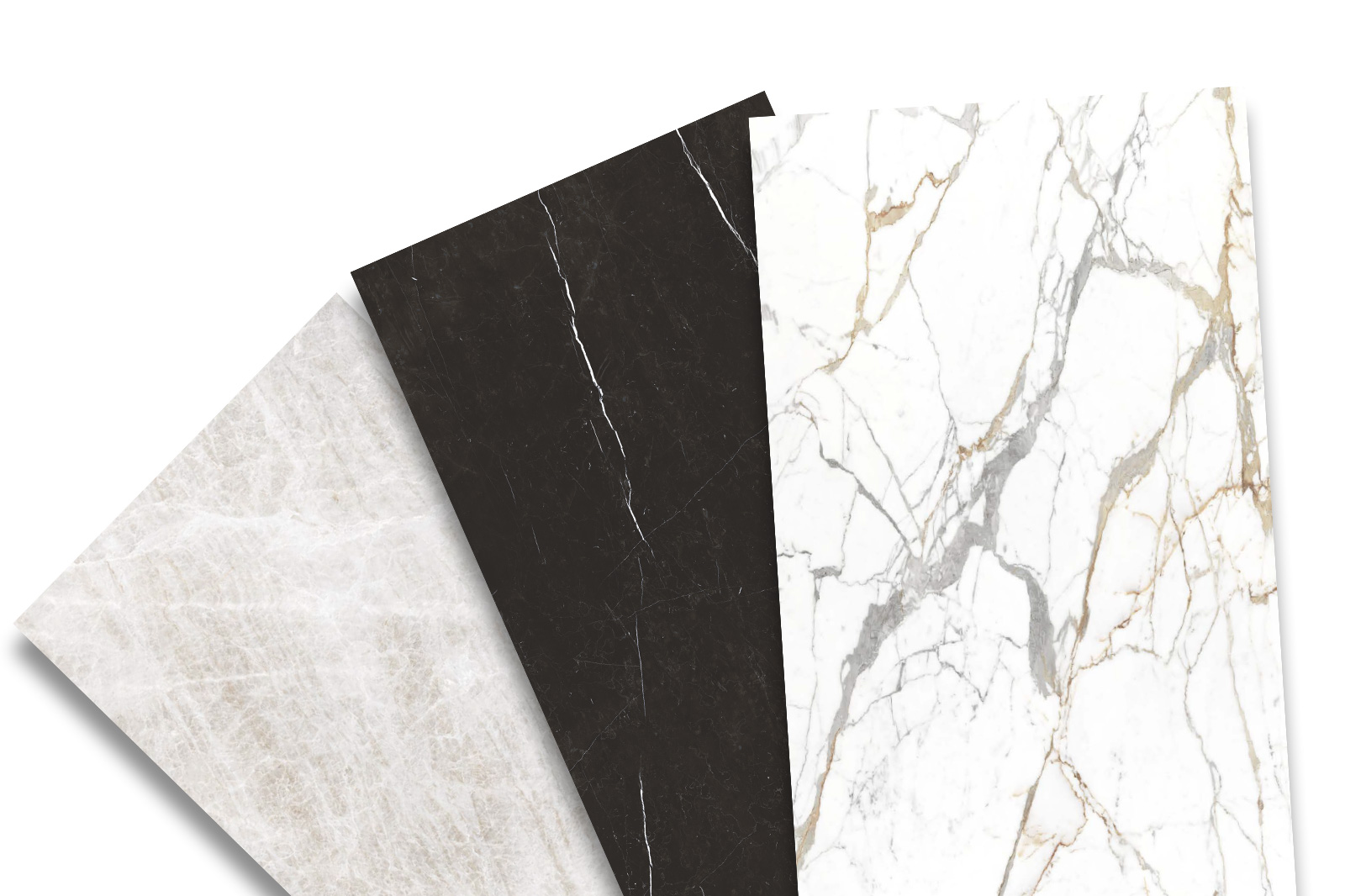
Our porcelain samples are quite helpful to compare against existing colour palettes. They also offer a unique opportunity to feel the quality of the world class surface. Whether you’re interested in matching the interior or adding contrast, we have over 22 styles to choose from. Place your free order here.
Related Links
Key Benefits of Archant Porcelain and New Cutting-Edge Benchtop Features (Guide)
6 Common Mistakes to Avoid Making with a Porcelain Benchtop
5 Easy Ways to Maintain Your Porcelain Benchtop (And What Not to Do)
Top 5 Design Features of Archant Porcelain (Review)
Porcelain Benchtops: Do They Make Sense for You?
How to Optimise Porcelain Sheet Size for Kitchen Benchtops and Island Design (A Complete Guide)
What’s the Difference Between Archant Porcelain vs Sintered Stone? A Detailed Comparison
What is Porcelain Bookmatching and How Can it Be Used to Refine Your Design?
7 Key Differences Between Porcelain and Corian Benchtops (Review and Comparison)
The Ultimate Price Guide to Kitchen Splashbacks (Cost and Comparison)
5 Stunning Ways to Use Large Format Porcelain in Your Design
A Guide to Porcelain Benchtop Costs
How to Design a Durable Overhang for Your Porcelain Benchtop and Kitchen Island
An Honest Review of the Best Kitchen Benchtops on the Market
How Much Should I Budget for My Kitchen Renovation in New Zealand? (Pricing Guide)