
10 Surefire Ways to Completely Ruin Your Benchtop: Design World Horror Stories
10 Surefire Ways to Completely Ruin Your Benchtop: Design World Horror Stories
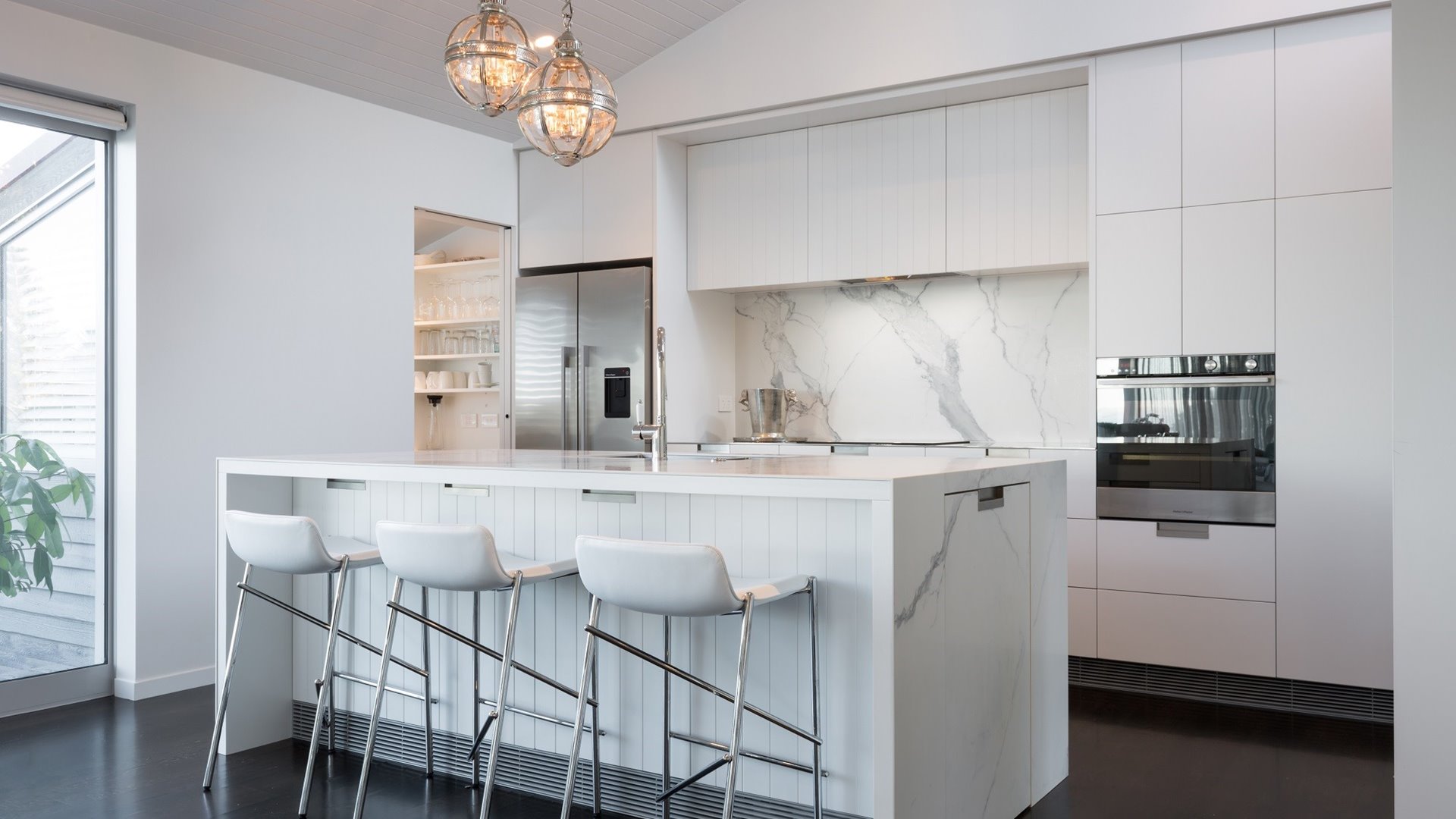
In the world of interior design, the benchtop is often considered the centrepiece of any kitchen. It not only serves as a functional workspace but also contributes significantly to the overall aesthetics of the space. However, just as a beautiful benchtop can enhance the design of a room, a ruined one can detract from it.
At Archant, we've had the privilege of speaking to many professionals in the design world, and they've shared some cautionary tales of benchtop disasters. In this article, we'll explore ten ways to completely ruin your benchtop, as recounted by those who've learned the hard way.
- Neglecting Regular Maintenance:
One of the most common mistakes people make is neglecting regular maintenance. Benchtops made of materials like granite, concrete, or marble require periodic sealing and cleaning. Failure to do so can result in staining, etching, and deterioration over time.
- Using Harsh Chemicals:
Using abrasive or acidic cleaning agents can wreak havoc on your benchtop's surface. These chemicals can cause discoloration, scratches, and damage to the protective sealant, leaving the benchtop vulnerable to further harm.
- Skipping Cutting Boards:
Even the toughest benchtop materials can't withstand the cutting power of knives and other sharp utensils. Cutting directly on the benchtop can lead to unsightly scratches and gouges that are challenging to repair.
4. Ignoring Hot Pots and Pans:
Placing hot pots and pans directly on your benchtop can result in heat damage, especially if it's made of materials like laminate or wood. Always use trivets or hot pads to protect your benchtop from extreme temperatures.
- Dragging Heavy Objects:
Dragging heavy appliances or objects across your benchtop can cause chipping, cracking, or even structural damage. Lift, don't drag, heavy items to avoid this pitfall.
- Spills and Stains:
Accidents happen, but letting spills linger on your benchtop can lead to permanent stains. Whether it's wine, coffee, or tomato sauce, promptly clean up any spills to avoid unsightly blemishes.
- Overloading the Benchtop:
Overloading your benchtop with heavy items or clutter can put excessive stress on the structure, potentially leading to cracks or warping. Keep your benchtop clear of unnecessary weight.
- Neglecting Proper Support:
Improper installation or insufficient support can lead to sagging or warping of your benchtop. Always follow manufacturer guidelines and consult with professionals for installation.
- Cutting Corners on Quality:
Opting for low-quality benchtop materials may save you money initially, but it can lead to premature wear and tear. Invest in high-quality materials that are built to withstand daily use.
- Ignoring Lifestyle Considerations:
Every household has different needs, and not all benchtop materials are suitable for every lifestyle. For example, porous materials like marble may not be ideal for a busy family kitchen. Consider your lifestyle and cooking habits when choosing a benchtop material.
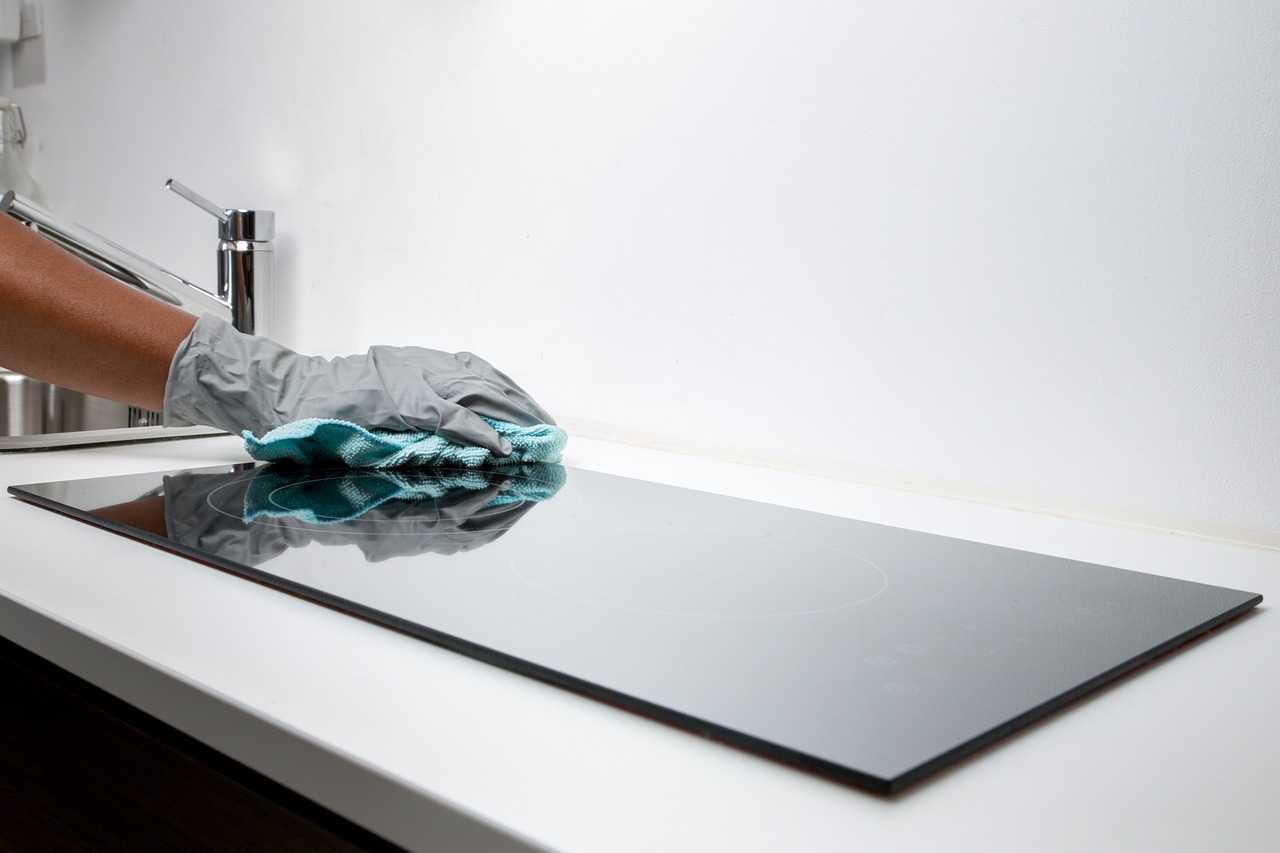
Your benchtop is a vital element in the design and functionality of your kitchen. To prevent costly mistakes and avoid completely ruining this crucial space, it's essential to heed the advice of those who have learned from their experiences in the design world. By following these ten cautionary tips and caring for your benchtop properly, you can ensure it remains a beautiful and functional centrepiece for years to come. Remember, it's not just a surface; it's an investment in the heart of your home.
Porcelain Benchtops: The Exception to the Rule
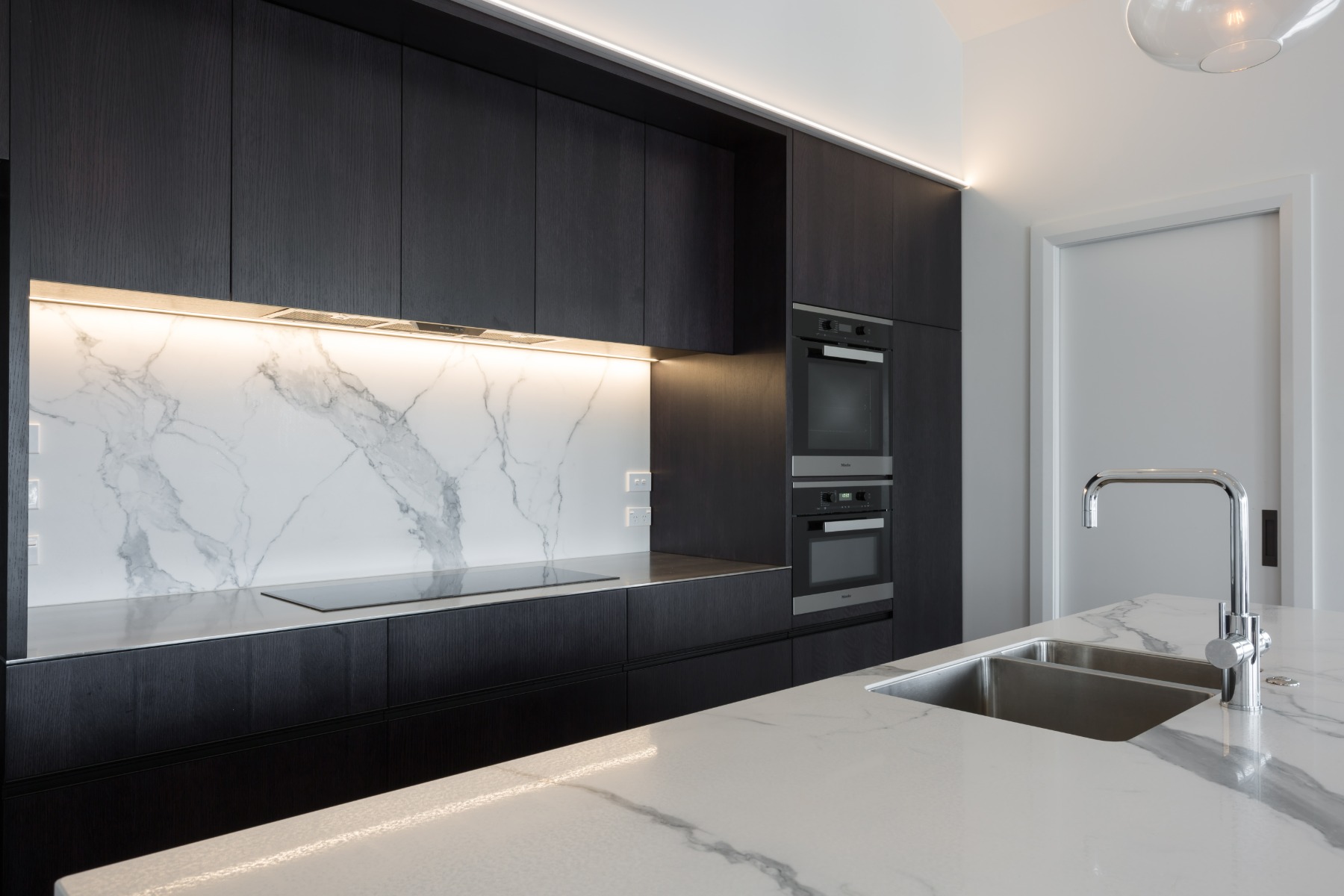
While the previously mentioned tips are essential for the maintenance of various benchtop materials, porcelain benchtops deserve special attention for their remarkable durability. Porcelain stands out as an exception to many of the concerns that plague other benchtop materials. Here's why:
Heat, Scratch, and Stain Resistance:
Porcelain benchtops boast incredible resilience. They can withstand high temperatures, making them resistant to heat damage from hot pots and pans. Additionally, their surfaces are highly scratch-resistant, making them less prone to marks from knives or heavy kitchen equipment. Stains are also less of a concern with porcelain; most spills can be easily wiped away without leaving a lasting mark.
No Special Treatment Needed:
One of the significant advantages of porcelain benchtops is their low-maintenance nature. Unlike some other materials like granite or marble, porcelain doesn't require regular sealing or the use of specific cleaning products. This means you can enjoy your benchtop without the worry of strict maintenance routines.
Lightweight and Support-Friendly:
Porcelain benchtops are relatively lightweight compared to some other materials like natural stone. This means that in most cases, you won't need extra structural support or braces to ensure the benchtop's stability. This makes the installation process more straightforward and cost-effective.
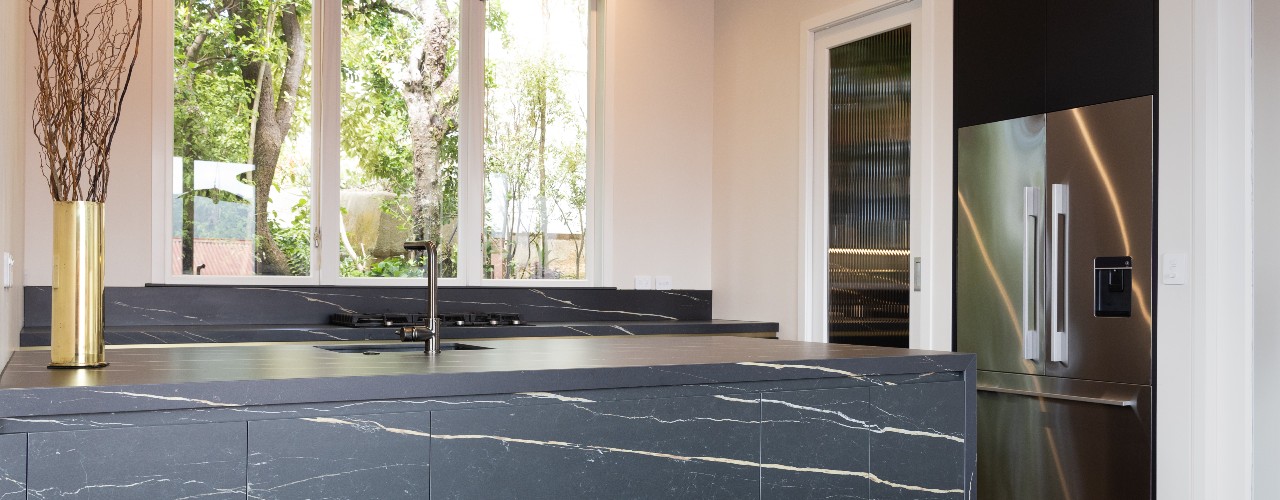
In summary, porcelain benchtops offer a unique combination of durability and ease of maintenance that sets them apart from many other options. They are highly resistant to heat, scratches, and stains, making them an excellent choice for busy kitchens. Plus, their lightweight nature simplifies installation and reduces the need for additional structural support. When considering benchtop materials, porcelain is certainly one to keep in mind for a worry-free, long-lasting solution.
Ready to Transform Your Kitchen? Visit Our Design Showrooms Across New Zealand Today!
Related Links
How Large Format Porcelain is Changing the Face of Commercial Design
4 Dazzling Ways to Use Porcelain Outside the Kitchen
What We Learned from Researching Marble Vs Porcelain and Why it’s Important for You
How to Use Porcelain to Create Long Lasting and Stylish Commercial Spaces
Up and Coming Trends in Porcelain Design You Don’t Want to Miss
What You Don’t Know About the Durability of Porcelain
How Porcelain is Changing the World of Interior Design
The Main Problem with Bathroom Design, and How Porcelain Can be a Fitting Solution
How to Incorporate Timeless Style and Modern Trends into Your Design with Porcelain
7 Answers to the Most Frequently Asked Questions About Porcelain
The Next Big Thing in Flooring – Large Format Porcelain
Modernising a Dated Fireplace with the Beauty and Durability of Porcelain
How to Optimise Porcelain Sheet Size for Kitchen Benchtops and Island Design (A Complete Guide)